The 77th International Astronautical Congress, one of the world’s largest international gatherings in the space sector, will be held in Belek, near Antalya, from October 5 to 9. More than 10,000 people, including space agency heads, company executives, engineers, scientists and students, are expected to attend the event at the NEST Congress Center.
Organized under the theme “The World Needs More Space,” the congress is also significant because the event, which began in 1950, is coming to Türkiye for the first time. The congress will be held in Belek, near Antalya, one of Türkiye’s tourism centers on the Mediterranean.
Four main topics will headline the congress
This year’s program will focus on weapons in orbit, artificial intelligence data centers in space, increasingly crowded orbits and the race to return to the Moon. The official program also includes lunar exploration, space medicine, the governance of space activities and space security.
A session titled “Geopolitics and Innovation” will address the political dimensions of space activities. Another session will examine how regional organizations will manage space activities, while a third will discuss the risks posed by the growing concentration of satellites and debris in orbit.
Debate over arms in space
U.S. Air Force Secretary Troy Meink said on September 14 that the U.S. Space Force has orbital weapons intended for “space control.” Meink did not provide details about the nature of these systems.
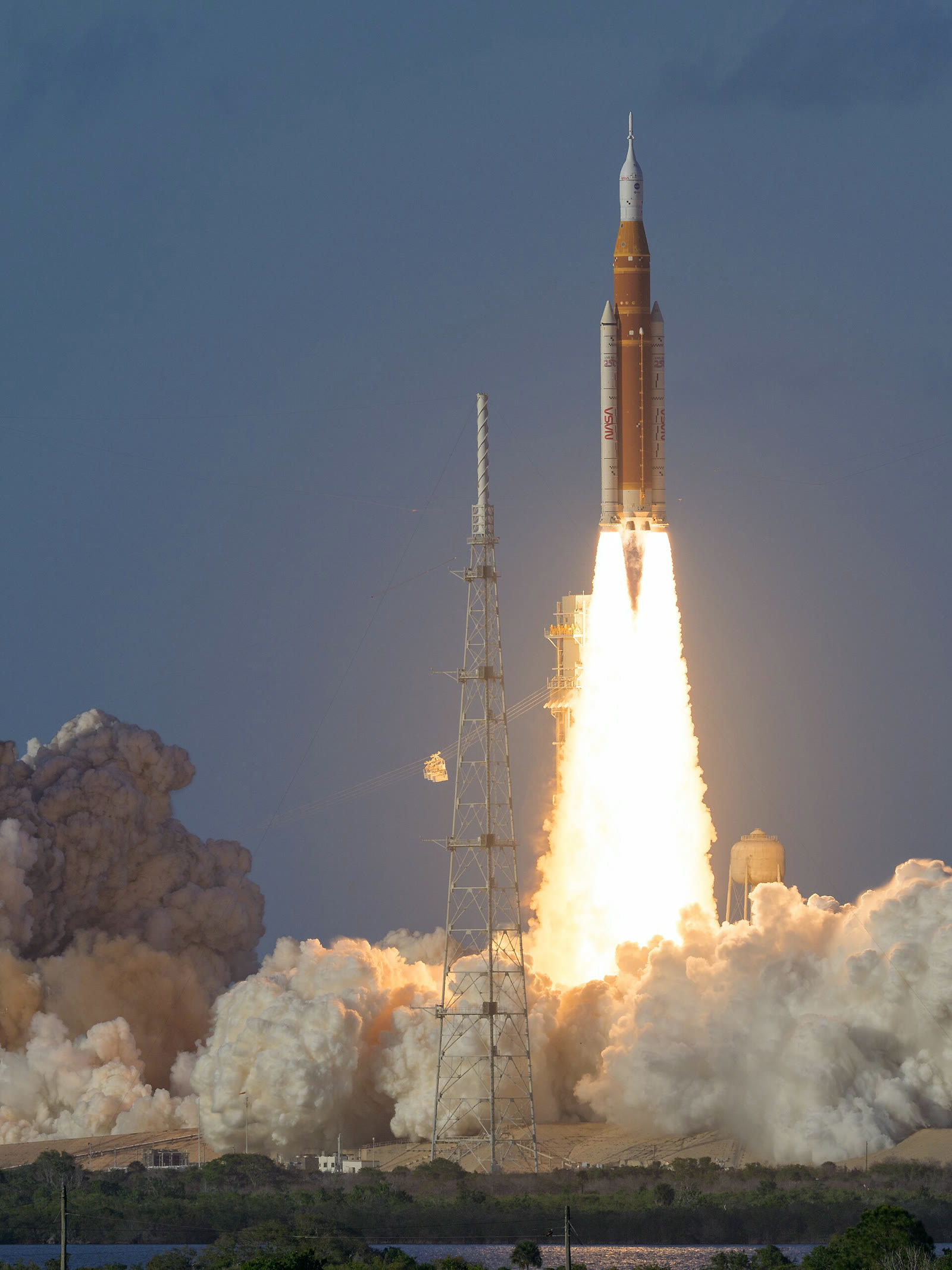
The United States is also working on a missile defense project called Golden Dome, backed by President Donald Trump. The project is expected to include interceptors deployed in orbit. Officials said the system could become operational in the summer of 2028, while the White House estimated the project’s initial cost at $175 billion.
Criticism of the project centers on concerns that orbital interceptors could also be used to destroy satellites and could prompt rival countries to develop more anti-satellite weapons. Russia and China have previously tested anti-satellite weapons systems.
The 1967 Outer Space Treaty prohibits placing nuclear weapons in orbit but contains limited provisions concerning conventional weapons.
Seeking an orbit for artificial intelligence
The high energy demand of artificial intelligence systems has also brought the idea of building data centers in space onto the congress agenda. In January, SpaceX asked U.S. regulators for permission to launch up to 1 million satellites that would operate as data centers in orbit.
Google is also testing artificial intelligence chips in space as part of a project called Suncatcher. Supporters of the idea argue that orbit would provide continuous access to solar energy. Critics focus on the high cost, potential damage to equipment from radiation and the risks of adding more hardware to already crowded orbits.
Debris from a single collision in space can threaten other satellites. The congress will also address the safety and sustainability of large satellite networks such as Starlink. Michael Nicolls, SpaceX’s vice president responsible for Starlink engineering and president of SpaceXAI, will assess the safety challenges involved in operating large-scale satellite constellations.
NASA and other space agencies’ programs
NASA will present the results of the Artemis II mission and hold a press conference on the U.S.-led Artemis Accords, which aim to promote peaceful exploration. NASA’s Jet Propulsion Laboratory will also present its work on reliable artificial intelligence on Mars.
The session will examine how an autonomous planning system is used to operate the Perseverance rover and how similar technologies could contribute to the future search for extraterrestrial life.
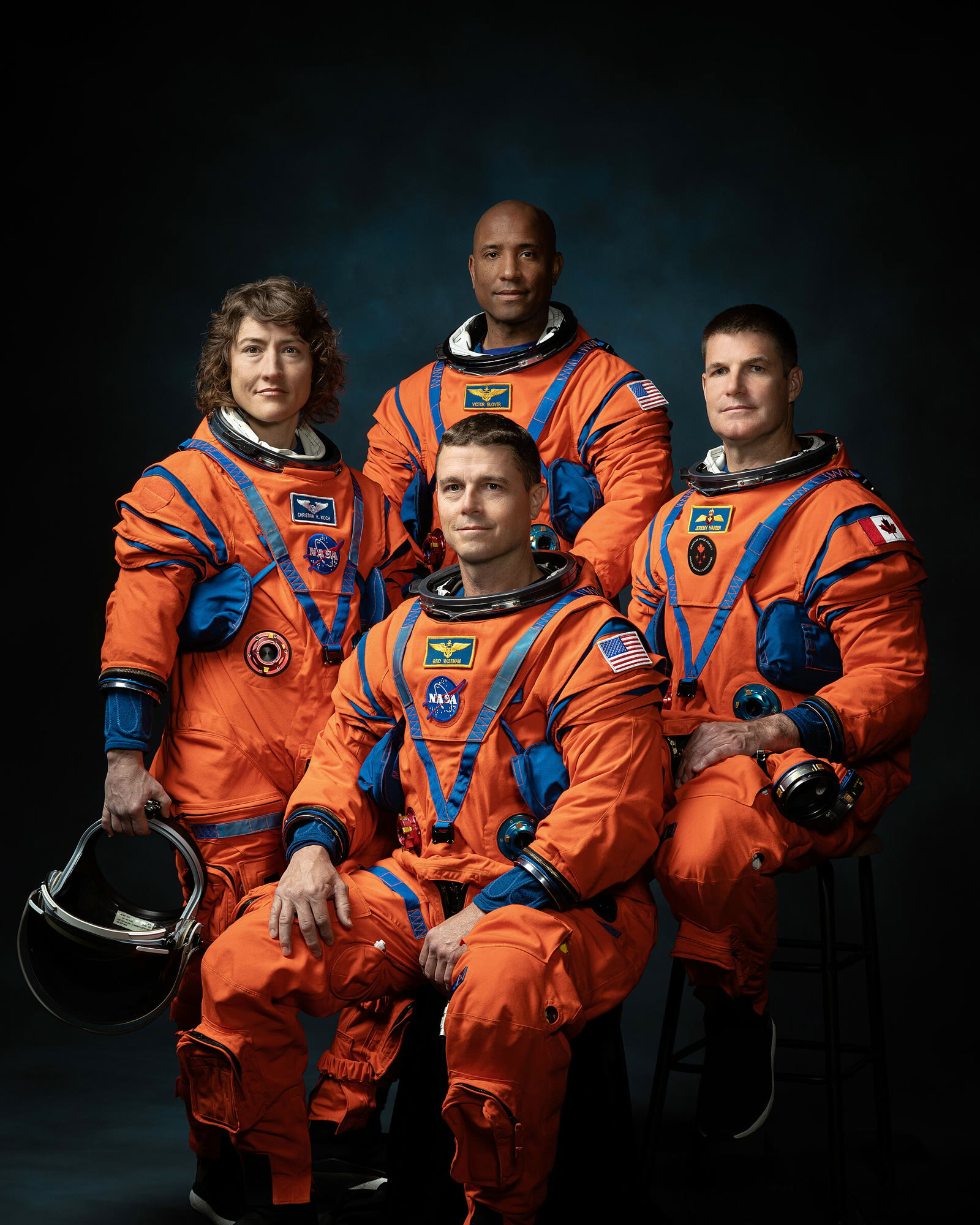
More than 40 countries will be represented by space agency and institutional leaders at the Global Space Leaders Summit on October 6. NASA’s delegation will be led by Vice President Matt Anderson. European Space Agency Director General Josef Aschbacher, Indian Space Research Organisation Chairman V. Narayanan, China National Space Administration Chief Engineer Li Guoping, Japan Aerospace Exploration Agency President Hiroshi Yamakawa and Canadian Space Agency Acting President Jean-Claude Piedboeuf will also attend the summit.
Space officials from the United Arab Emirates, Brazil, Spain, the United Kingdom, France, Germany, South Korea, Pakistan, South Africa and Poland will also attend the summit. More than 25 astronauts, ministers and aerospace industry executives will participate in the congress, along with Aarti Holla-Maini, director of the United Nations Office for Outer Space Affairs.
The congress and its organization in Türkiye
The International Astronautical Congress is held annually by the nonprofit International Astronautical Federation, founded in 1951 to bring together space organizations from different countries. The first congress took place in Paris in 1950, when spaceflight was still largely at the conceptual stage.
Today, the event combines a scientific conference, trade fair and diplomatic summit. Researchers present technical papers, companies showcase their rockets and satellites, and leaders from different space powers exchange views on the same platform.
The congress has also hosted significant announcements in the past. In 2016, SpaceX founder Elon Musk unveiled a plan for a large rocket to carry people to Mars at the congress in Guadalajara, Mexico. In 2017, Australia announced that it would establish a national space agency at the congress in Adelaide.
This year’s event will be organized under the coordination of Türkiye’s Ministry of Industry and Technology, hosted by the Turkish Space Agency and co-hosted by SAHA Istanbul, a defense and aerospace industry cluster.