- BIST10011,842-0.01%
- USD50.28+0.05%
- EUR55.60-0.24%
- GOLD3,860.00+0.18%
- INTEREST36.00%-1.00
- BITCOIN64,479-0.54%
- November 17, 202614°
- BIST10011,842-0.01%
- USD50.28+0.05%
- EUR55.60-0.24%
- GOLD3,860.00+0.18%
- INTEREST36.00%-1.00
- BITCOIN64,479-0.54%
- November 17, 202614°
Yumaklı says initial response to forest fires now takes minutes
Minister of Agriculture and Forestry İbrahim Yumaklı said at the COP31 high-level dialogue that Türkiye had strengthened its air fleet, UAVs and field capacity after the 2021 fires. Yumaklı invited all countries to join the Antalya Action Plan for Integrated Fire Management, announced at the Leaders’ Summit.


Minister of Agriculture and Forestry İbrahim Yumaklı said Türkiye had reshaped its approach to combating forest fires following the fires in 2021, strengthening its air fleet, UAVs and field capacity. Yumaklı said they had integrated observation towers with artificial intelligence-supported early detection systems and reduced initial response times to levels measured in minutes.
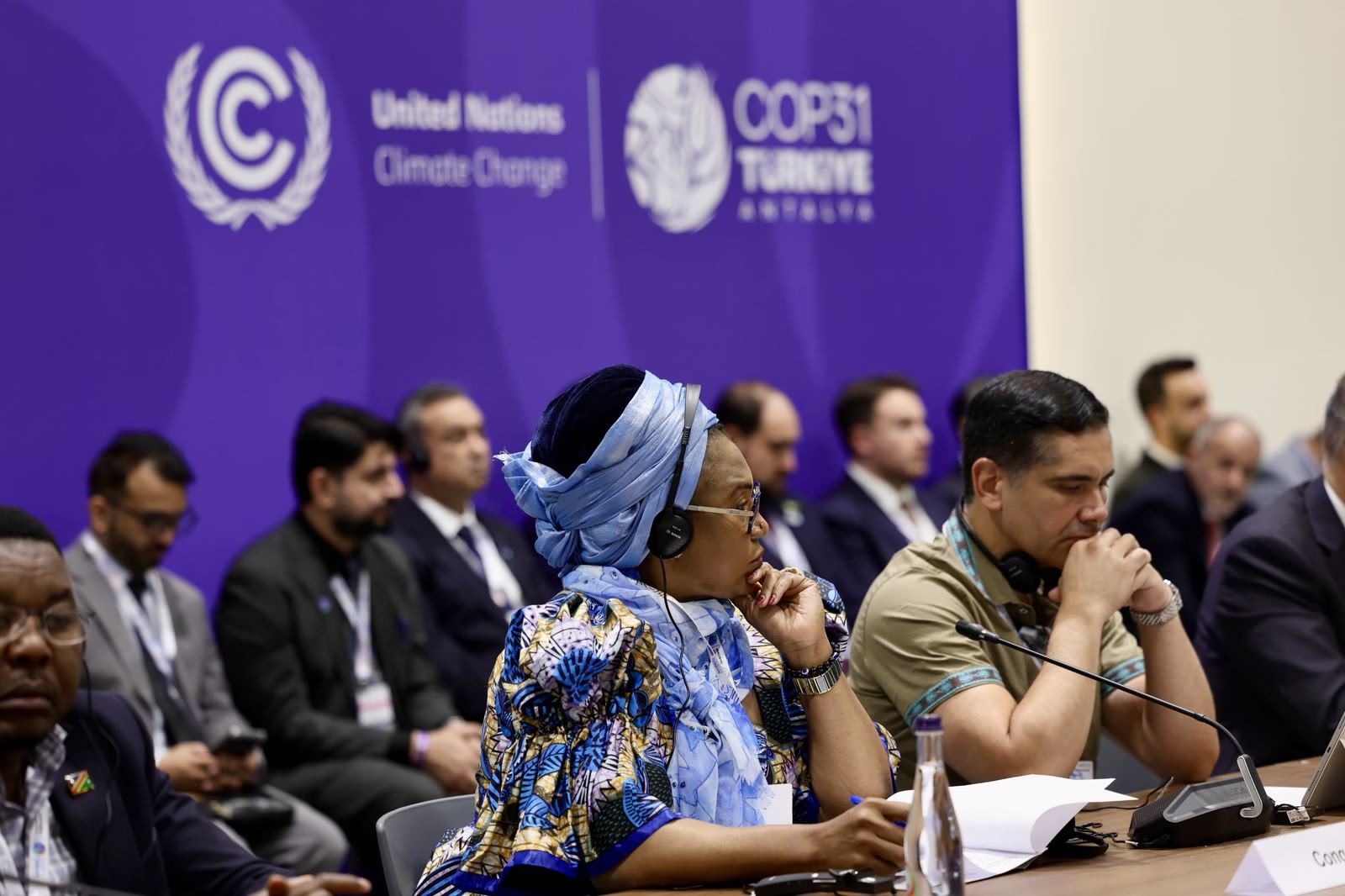
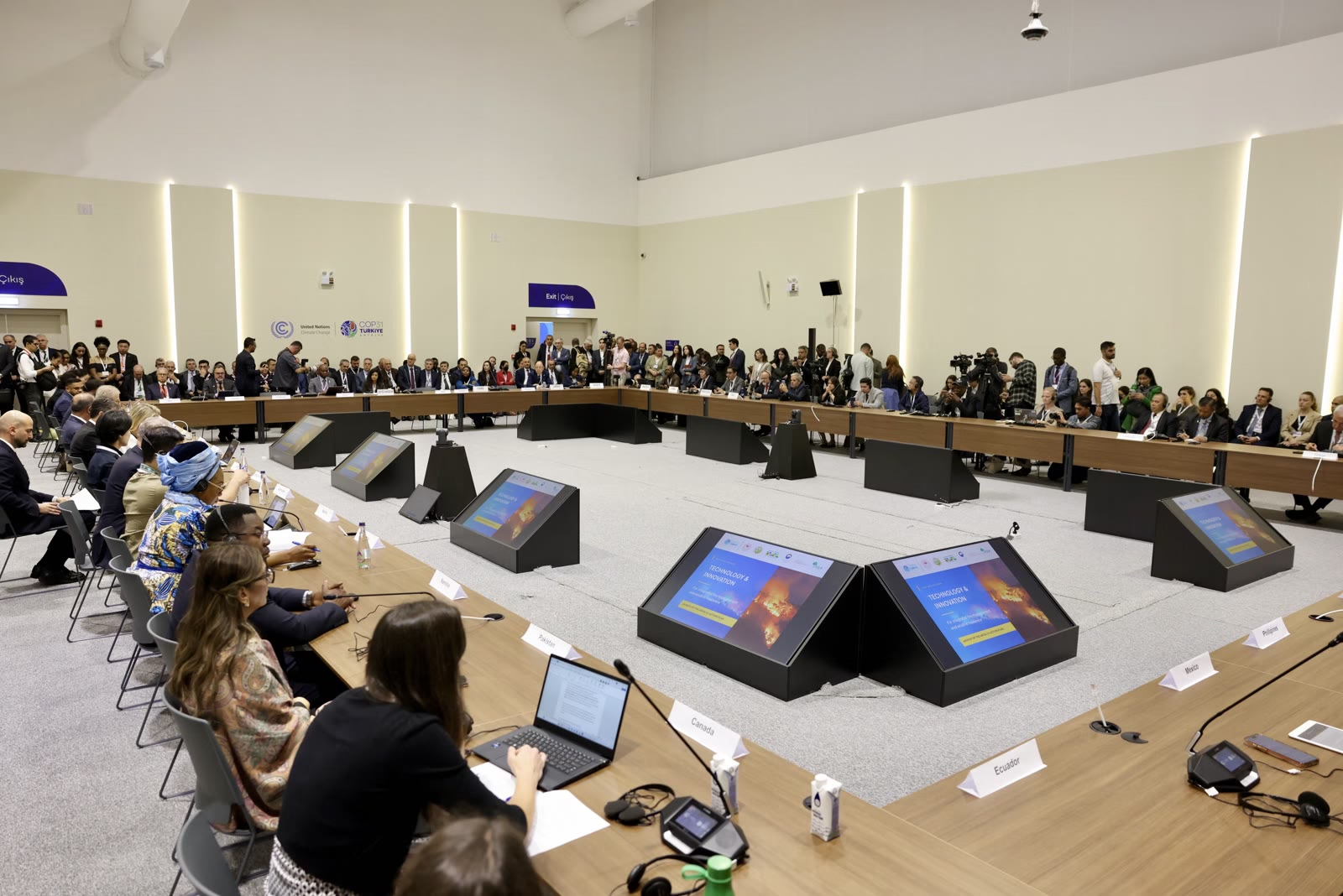
Yumaklı spoke at the “High-Level Dialogue on Technology and Innovation for Integrated Fire Management and Resilience Against Forest Fires,” held in the Lycia Hall in the Blue Zone as part of the UN Climate Change Conference (COP31) in Antalya. The minister said they had gathered to move the Antalya Action Plan for Integrated Fire Management, announced at the Leaders’ Summit on November 11, into the implementation phase together with partners.
“Fires are both a result and a trigger of climate change”
Yumaklı noted that forest fires were no longer a seasonal or local problem and said, “It is a year-round, borderless threat with highly destructive consequences. Around 261 million hectares worldwide are affected by fires each year. Of this, 127 million hectares are forests. Moreover, extreme fire events are expected to increase by up to 50 percent by the end of the century.”
Yumaklı listed the G7 Kananaskis Wildfire Charter, the Istanbul Report prepared under Türkiye’s hosting, the Belem Action Call at COP30 and the UNEA-7 decision as turning points in the international community’s response to this threat. Saying that all of them conveyed the message, “The solutions are in our hands, but our approaches are still fragmented,” Yumaklı stressed the need to move from an approach focused on extinguishing fires after they start to a holistic approach focused on preventing them before they begin.
Yumaklı said that when a forest burns, it is not only the trees that burn, but also the soil’s memory, the roots that retain water, the bees’ hives and the shepherd’s pasture. “Soil left without trees cannot retain rain. The water runs off, leaving floods, erosion and drought behind. In this way, a fire continues to burn in fields, dams and on the table even years after it has been extinguished,” he said.
Four goals of the Antalya Action Plan
Yumaklı said the Antalya Action Plan focused on four goals: cross-border joint response capacity; early warning based on science, data and innovation; landscape management and restoration suited to local fire regimes; and facilitating access to finance, capacity and technology, particularly for developing countries.
Yumaklı said they were restoring fire-affected areas as forests in accordance with their ecological characteristics. “This year, we planted 600 million saplings and seeds. For us, the issue is not only technology. This success is the product of institutional coordination, continuous training and international cooperation. Türkiye is ready to share this experience with all its partners within the framework of the Antalya Action Plan,” he said.
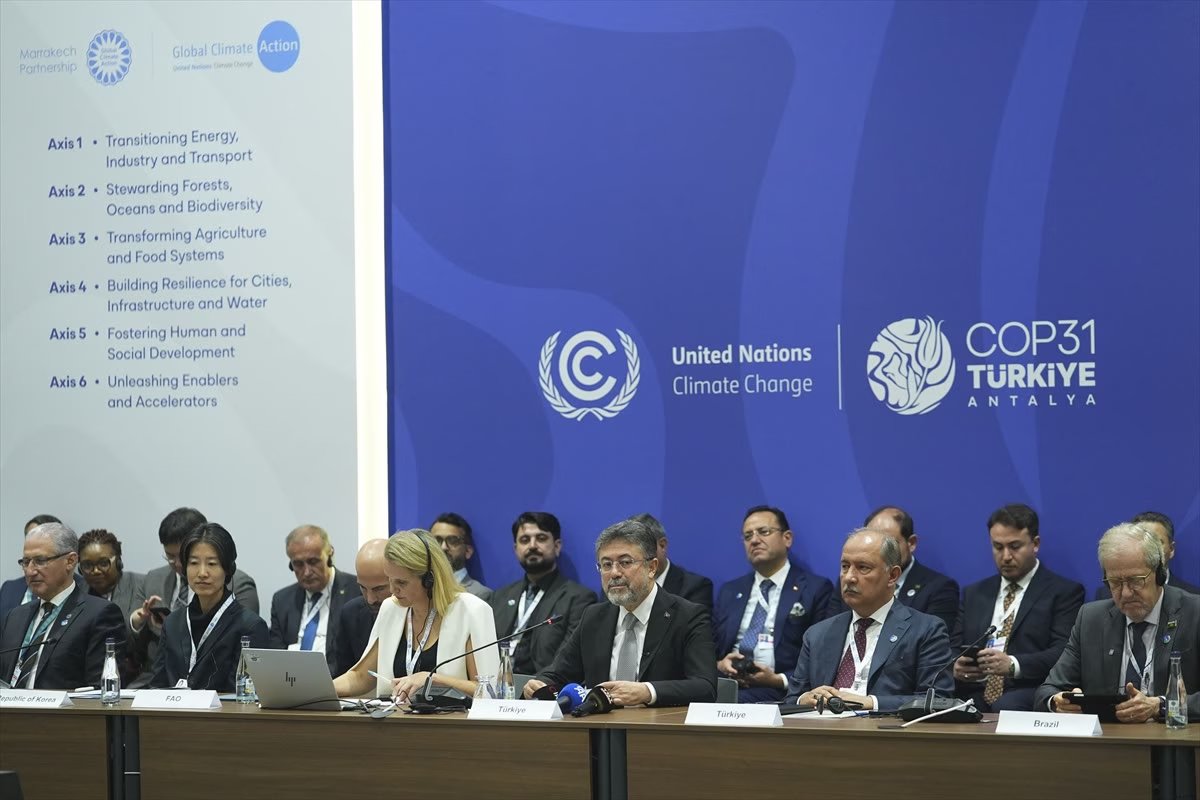
Yumaklı thanked Brazil and the Republic of Korea, the UN Food and Agriculture Organization (FAO), the Forests and Climate Leaders’ Partnership and the Global Fire Management Hub, which will run the plan’s secretariat, and said he hoped COP31 would become a true implementation COP for forests: “Our forests are our common heritage. Protecting them is our shared responsibility.”
Photos: Ministry of Agriculture and Forestry, Anadolu Agency. Source: Anadolu Agency.
Stay Updated with The Turkiye Times
Subscribe to be informed about special news, developments and announcements. We will keep you informed.
By signing up, you agree to our Privacy Policy