- BIST10011,842-0.01%
- USD50.28+0.05%
- EUR55.60-0.24%
- GOLD3,860.00+0.18%
- INTEREST36.00%-1.00
- BITCOIN64,479-0.54%
- November 17, 202614°
- BIST10011,842-0.01%
- USD50.28+0.05%
- EUR55.60-0.24%
- GOLD3,860.00+0.18%
- INTEREST36.00%-1.00
- BITCOIN64,479-0.54%
- November 17, 202614°
COP31 puts offshore wind on agenda with $1–2 trillion in neighboring markets
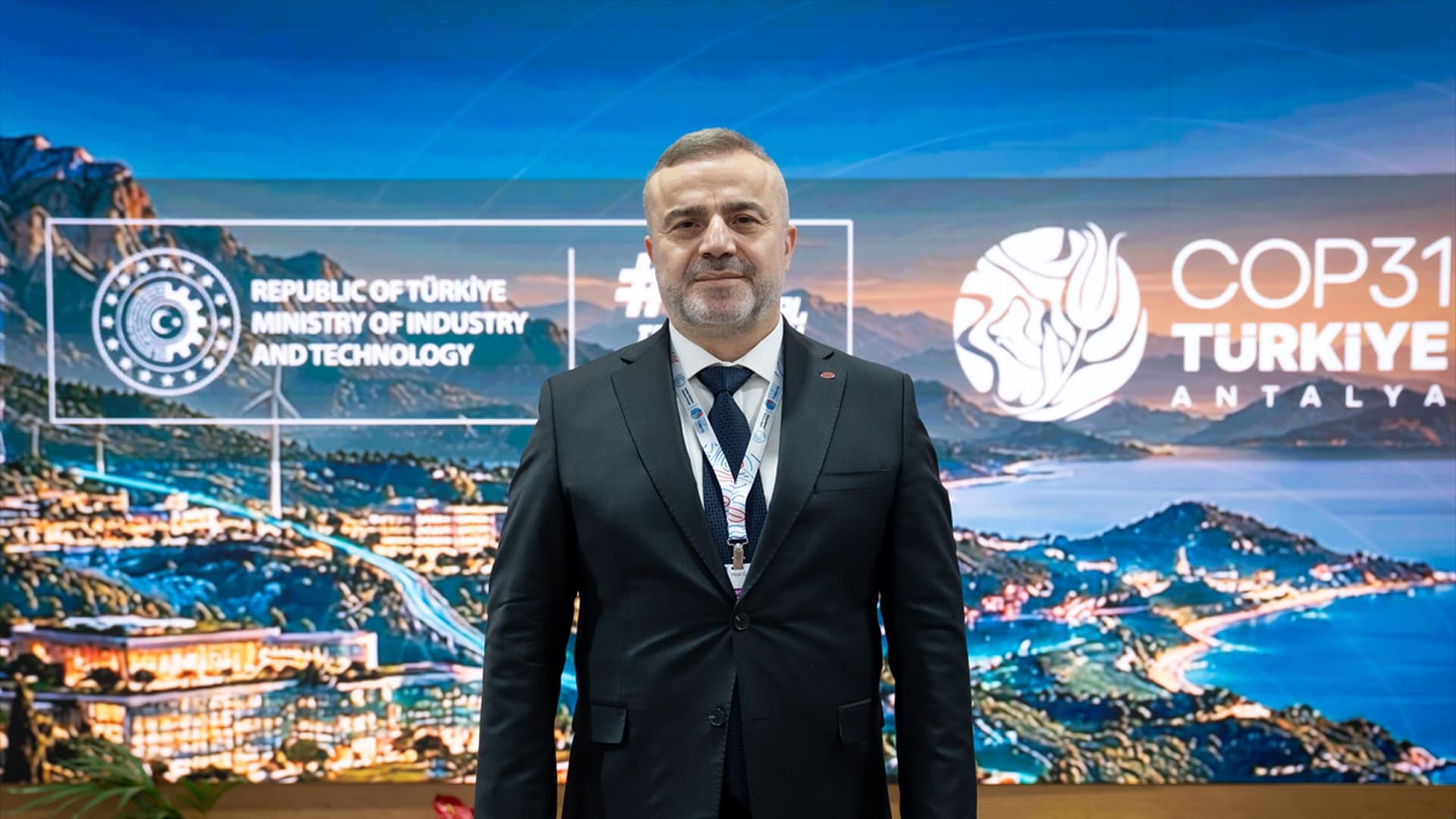
At a panel organized by the Offshore Wind Energy Association (DÜRED) at COP31, speakers emphasized that Türkiye could become a regional hub by transferring the expertise gained through offshore wind investments to neighboring countries. They highlighted the critical role of shipyards and ports in this transformation.
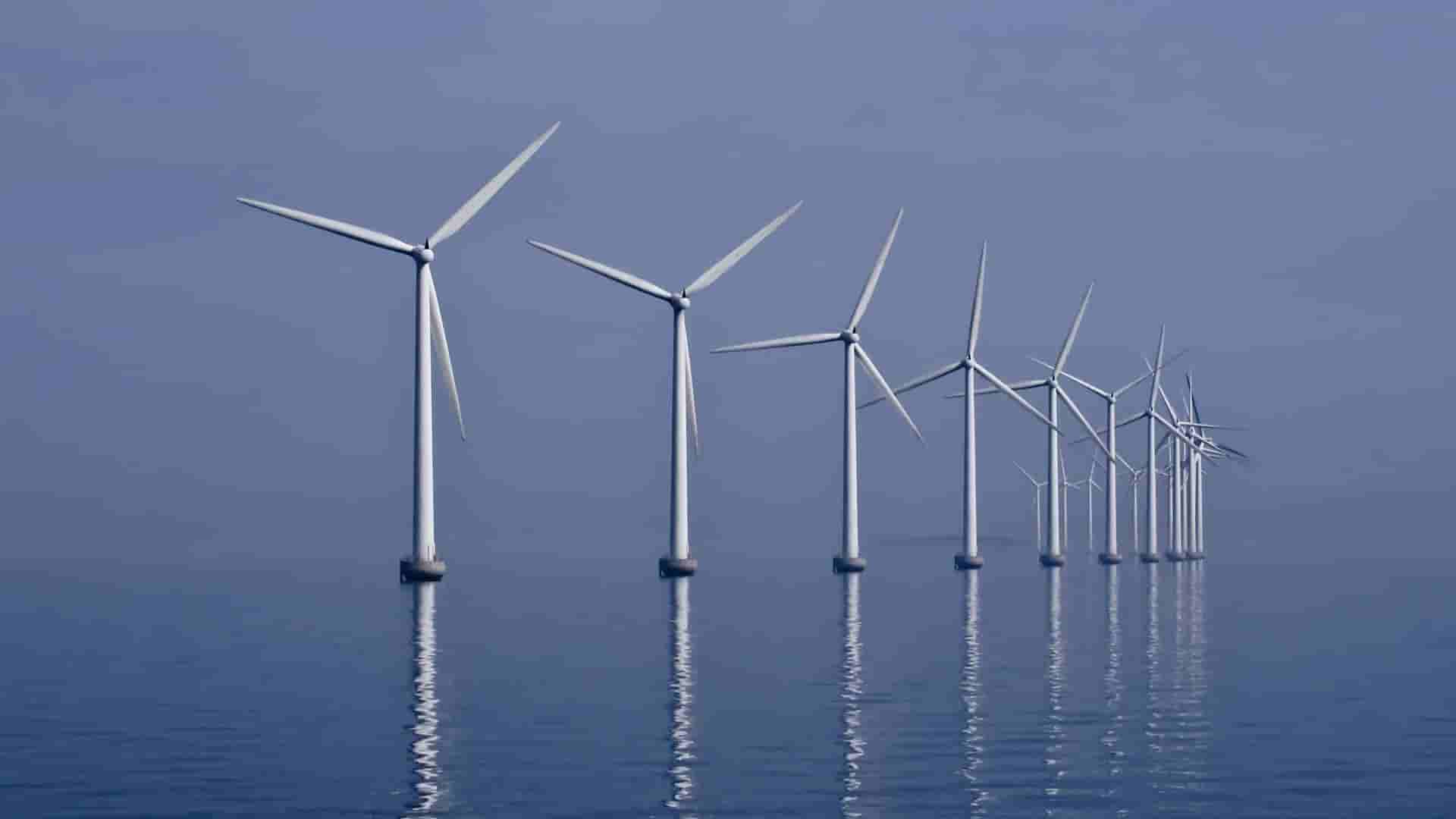
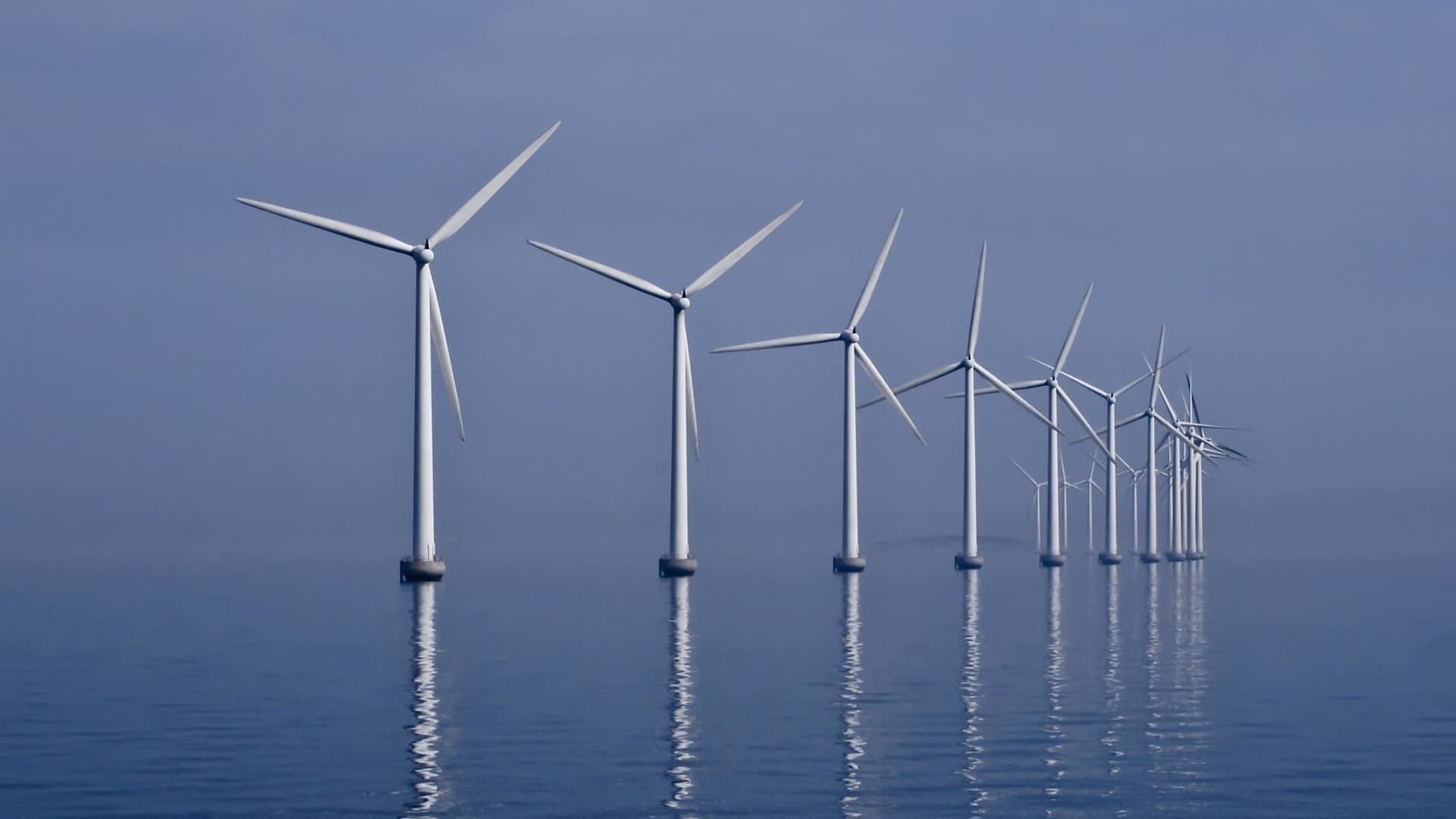
At an offshore wind energy panel held as part of the UN Climate Change Conference (COP31) in Antalya, participants discussed the sector's technological development, Türkiye's investment potential and regional opportunities. The panel, titled “Science, Industry and Technology | Energy and Transport,” was organized by the Offshore Wind Energy Association (DÜRED) and moderated by DÜRED Chairman Murat Durak.
Veli Bilgihan Yaşacan, deputy chairman of DÜRED, said the capacity of commercially used turbines had reached approximately 15 megawatts and that the sector was moving toward 20 megawatts. Yaşacan explained that offshore winds blow more regularly and continuously than on land, which plays an important role in the development of investments, and that these conditions also enable the use of larger turbines.

The panel was held on COP31's November 16 “Science, Industry and Technology” themed day, as part of sessions addressing energy and transport.
“Our main target should be neighboring countries”
Emphasizing that offshore wind farms consist of more than facilities that generate energy, Yaşacan said areas such as marine construction, foundation structures, subsea cables, substations, finance, insurance and maritime law also play a decisive role in investment processes. Yaşacan said Türkiye should not view these investments solely as projects that would increase domestic electricity generation, adding:
“Once these investments are made in Türkiye, our main target should actually be neighboring countries. With the expertise we gain here, there is a market worth nearly $1 trillion to $2 trillion in neighboring countries for our manufacturers and civil engineers. Let us assume that this is a 50-year market. We now need to develop companies that will operate in this field. Making the investment alone is not enough. I believe it is also necessary to have the workforce capable of carrying it out and to show some courage.”
Shipyards and ports play a key role
Orçun Balbaş, marketing and tender manager at Gemak Group of Companies, said the production of the large steel structures used in offshore wind farms requires extensive sites, enclosed production areas, high-capacity equipment and port infrastructure. For this reason, he said, shipyards play an important role in the installation process. Balbaş added that Turkish shipyards also take part in the production processes of offshore wind projects in Europe.
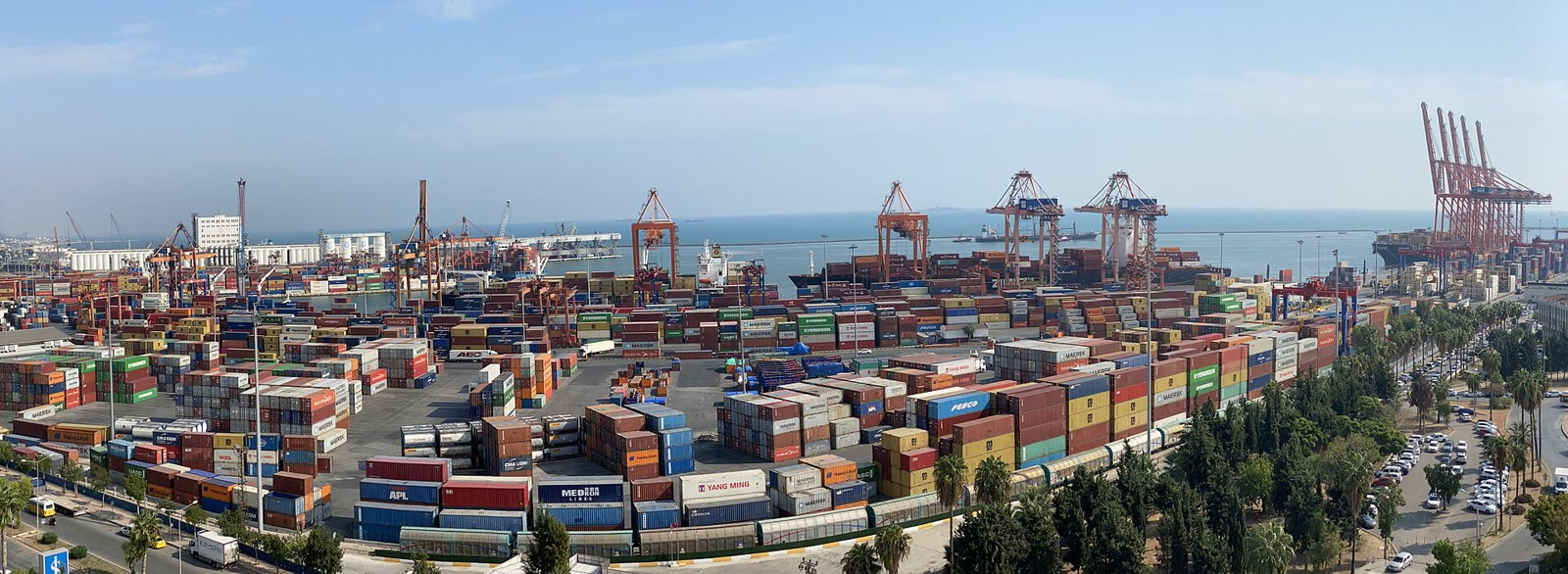
Faruk Doğan, secretary-general of the Turkish Port Operators Association, said port operators were turning to renewable energy investments to reduce carbon emissions and maintain their competitiveness in international trade. Doğan said suitable port infrastructure was essential for storing, assembling and shipping large equipment by sea, and explained that an industrial ecosystem encompassing production and logistics should be established around ports.
Recalling that Türkiye is rich in wind and solar energy, Doğan said, “When considering this, Türkiye needs to think of it as an integrated ecosystem and an integrated industry. In other words, we will both provide the energy we need and create the means to export this ecosystem to the countries around us.”
Cover: Middelgrunden offshore wind farm in Denmark (Wikimedia Commons, archive). Images: COP31 Türkiye, Wikimedia Commons. Source: Anadolu Agency.