- BIST10011,131-3.02%
- USD50.47+0.05%
- EUR55.46+0.20%
- GOLD3,523.60-4.39%
- INTEREST36.00%-1.00
- BITCOIN59,067-4.58%
- November 20, 202617°
- BIST10011,131-3.02%
- USD50.47+0.05%
- EUR55.46+0.20%
- GOLD3,523.60-4.39%
- INTEREST36.00%-1.00
- BITCOIN59,067-4.58%
- November 20, 202617°
13th-century poem points to Bilge Kagan's palace city in Mongolia
Turkish academics compared a note written by Khitan poet Yelü Zhu with satellite images and concluded that Bilge Kagan's palace city may have been near Hotont, Mongolia. Excavations are needed to determine the period of the walled ruins.


Significant findings have emerged concerning the palace city that Gokturk ruler Bilge Kagan is believed to have had built in the Orkhon Valley and its possible location. Prof. Dr. Gürhan Kirilen, head of the Department of Sinology at Ankara University’s Faculty of Language, History and Geography, and Assoc. Prof. Dr. Hayrettin İhsan Erkoç, a faculty member in the Department of History at Çanakkale Onsekiz Mart University, have determined that the palace city’s remains may be located near Hotont in Mongolia’s Arkhangai Province.
The two academics’ article, titled “Bilge Kagan’s Palace,” was published in the International Journal of Social Sciences on November 15. TRT Haber reported details of the research.
The clue came from the son of Genghis Khan’s adviser
The research began with Shuangxi Zuiyin, a collection of poems by Yelü Zhu, a Khitan statesman, scholar and poet who lived from 1221 to 1285. Yelü Zhu, the son of Genghis Khan’s renowned adviser Yelü Chucai, spent his youth around Karakorum and added an explanatory note to a poem he wrote about the capture of Karakorum. In the note discovered by Kirilen, Yelü Zhu wrote that Karakorum was Bilge Kagan’s former territory, that the remains of Bilge Kagan’s palace city were 70 li northwest of Karakorum, and that the Köl Tigin Monument was 70 li northeast of those remains.
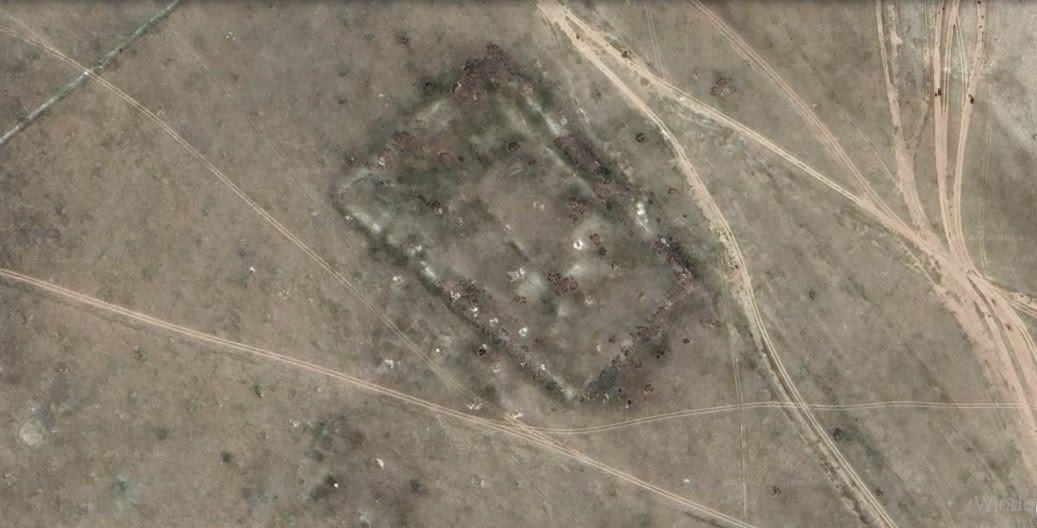
Assuming that one li was approximately 500 meters, the location described would be about 35 kilometers northwest of Karakorum and about 35 kilometers southwest of the Köl Tigin Monument. The academics compared this information with satellite images and identified a fortress surrounded by long walls immediately northeast of Hotont, a structure at its center that may have been a palace, and a second palace-like structure outside the walls. The researchers assess that the remains may date to Bilge Kagan’s period, the 8th century, but archaeological excavations are needed to establish the structures’ period conclusively.
“Urbanization among the Turks did not begin with the Uyghurs”
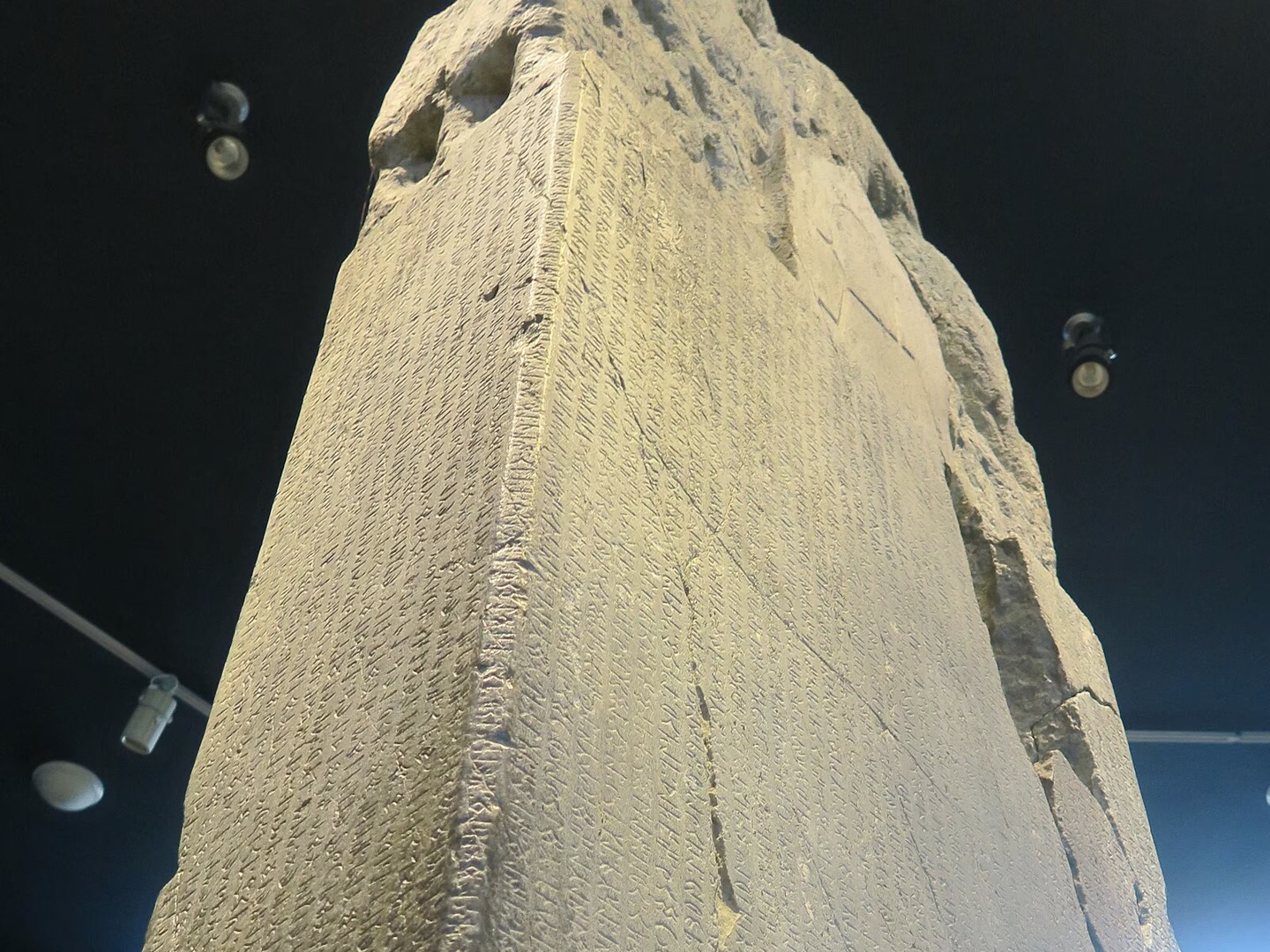
According to Erkoç, one of the study’s most important conclusions is that the widely held view that urbanization among the Turks began with the Uyghur Khaganate, which ruled from 744 to 840, should be reassessed. Erkoç said that city and fortress names such as Togu Balık and Amga Korgan appear in the Orkhon Inscriptions, showing that the Gokturks were also connected with settled life.
Surface surveys conducted in the Orkhon Valley in recent years have identified around 50 settlements, most of which date to the Uyghur period, but archaeological excavations have not yet been carried out at most of them. Erkoç said that confirming the palace city through surface surveys and excavations in Hotont would create a shared cultural value for all Turkic communities that carry the Gokturk legacy.
Source: TRT Haber, Türkiye Gazetesi. Photos: Türkiye Gazetesi, Wikimedia Commons.
Stay Updated with The Turkiye Times
Subscribe to be informed about special news, developments and announcements. We will keep you informed.
By signing up, you agree to our Privacy Policy