- BIST10011,843+1.51%
- USD50.28+0.05%
- EUR55.60-0.24%
- GOLD3,894.70+0.22%
- INTEREST36.00%-1.00
- BITCOIN64,954-0.55%
- November 16, 202611°
- BIST10011,843+1.51%
- USD50.28+0.05%
- EUR55.60-0.24%
- GOLD3,894.70+0.22%
- INTEREST36.00%-1.00
- BITCOIN64,954-0.55%
- November 16, 202611°
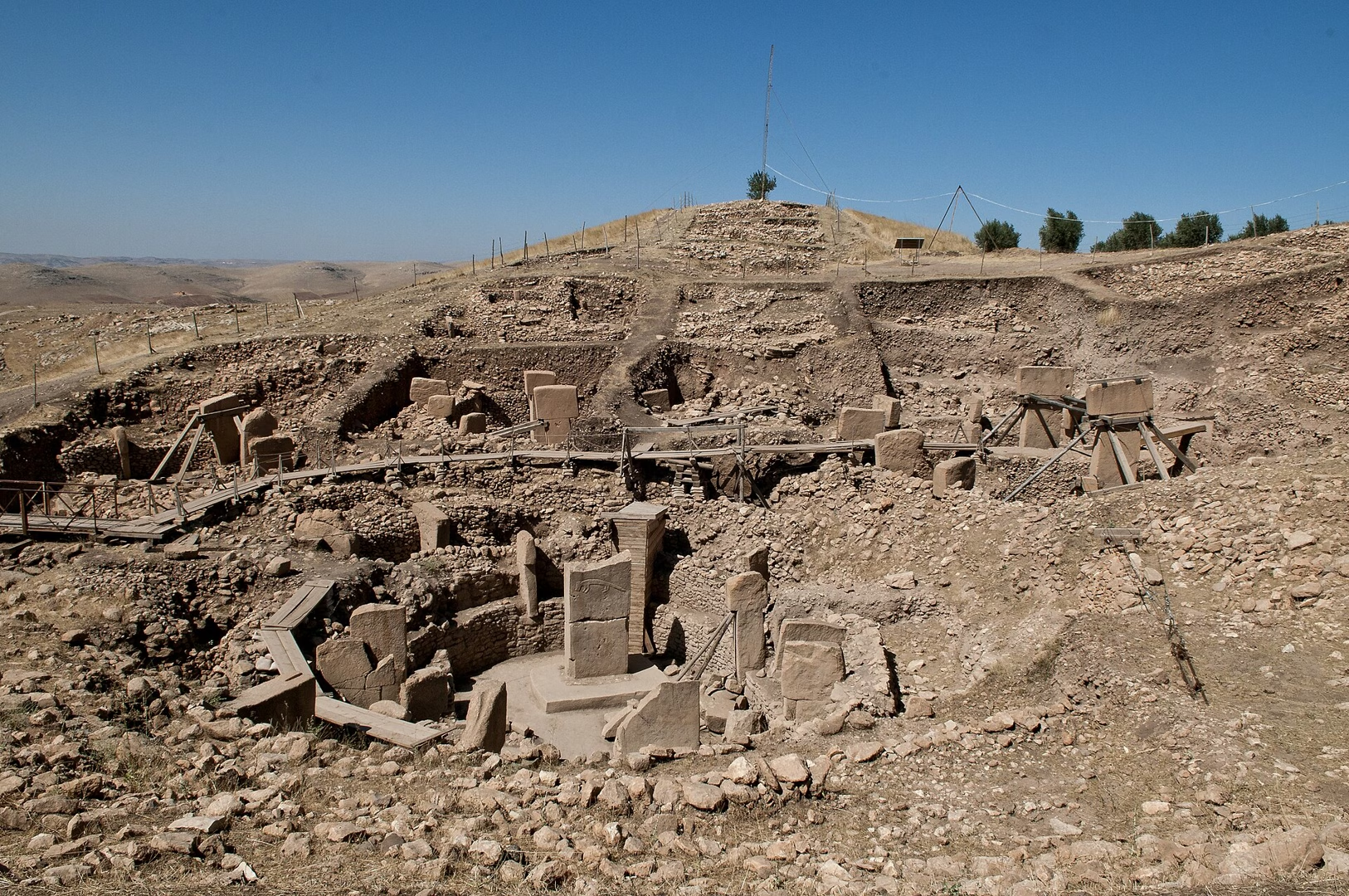
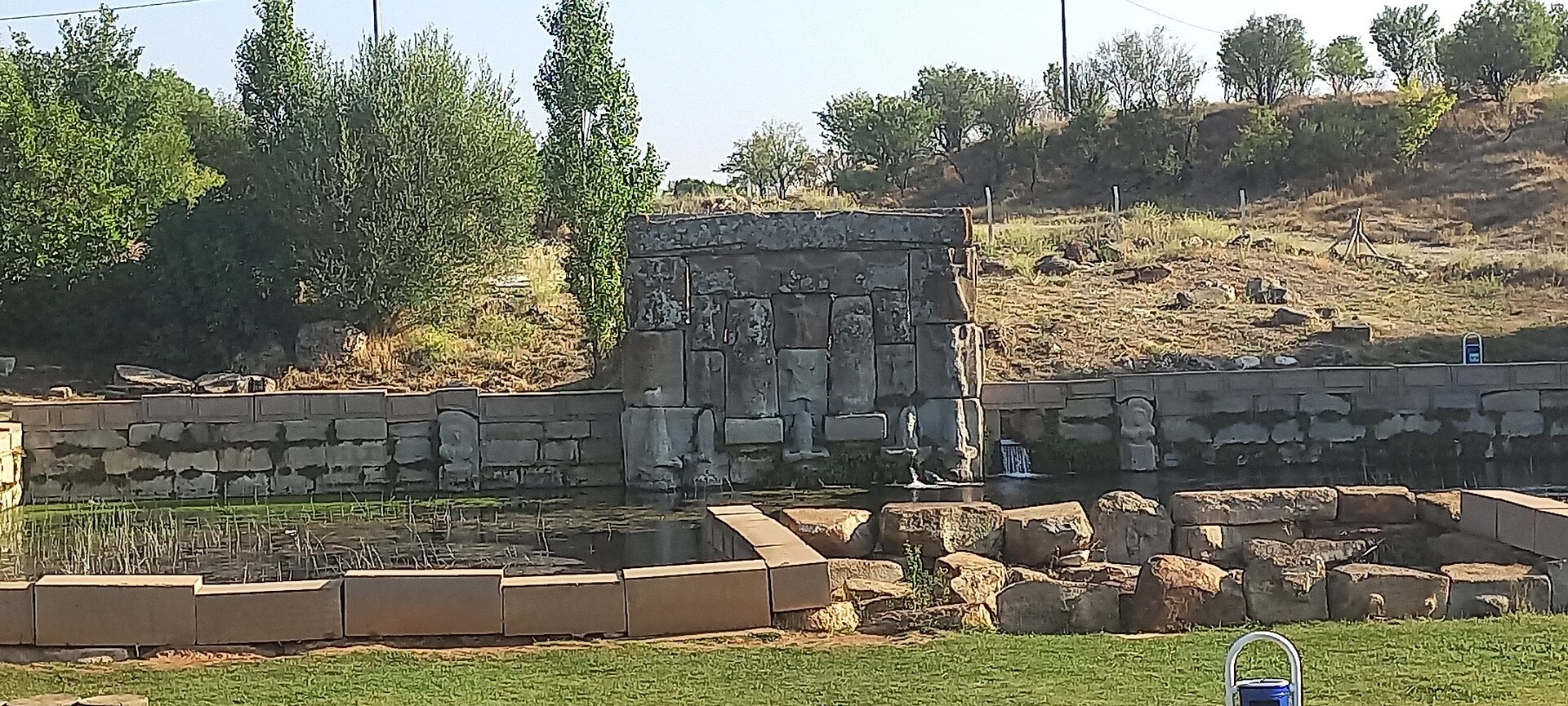
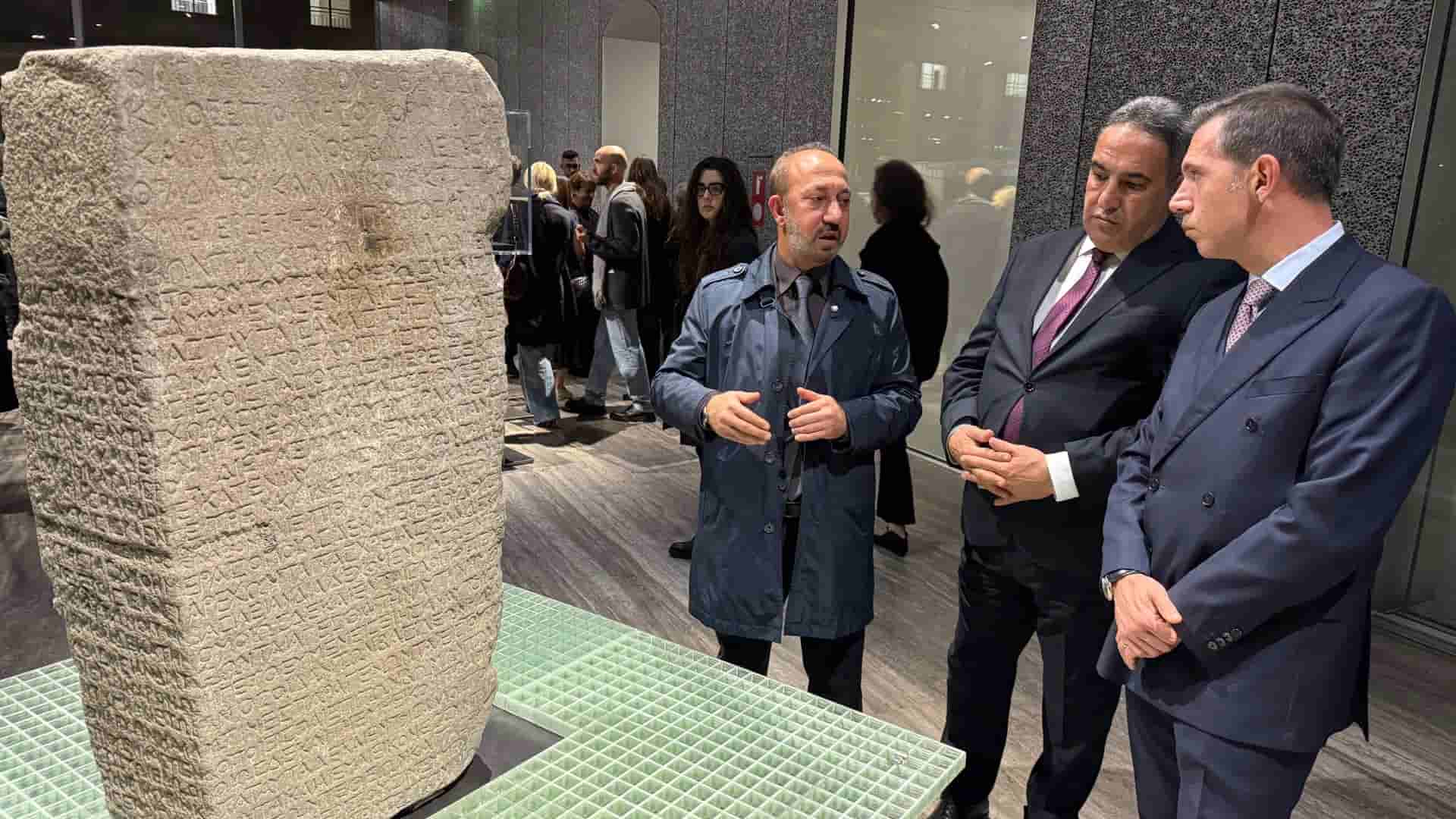
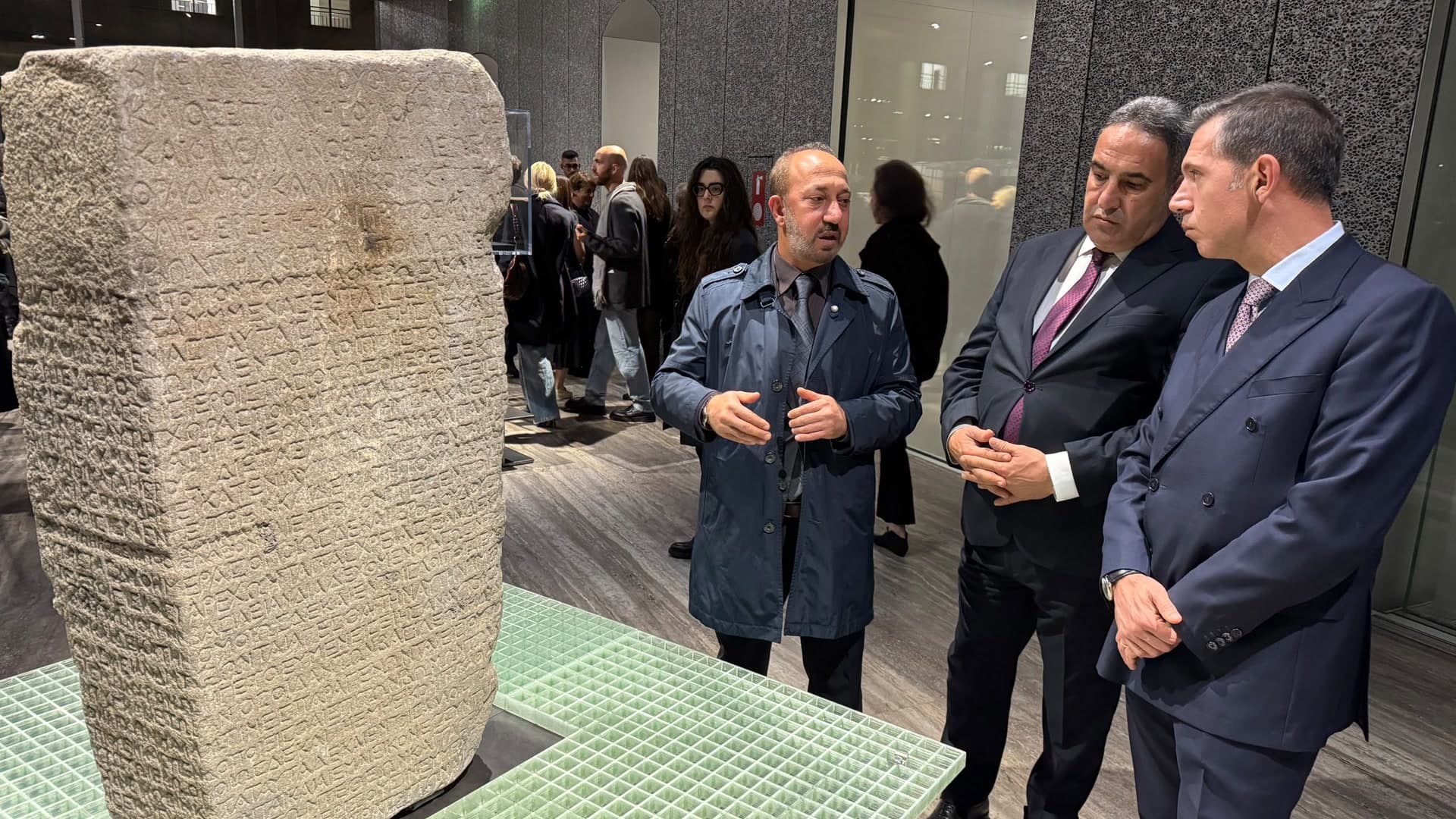
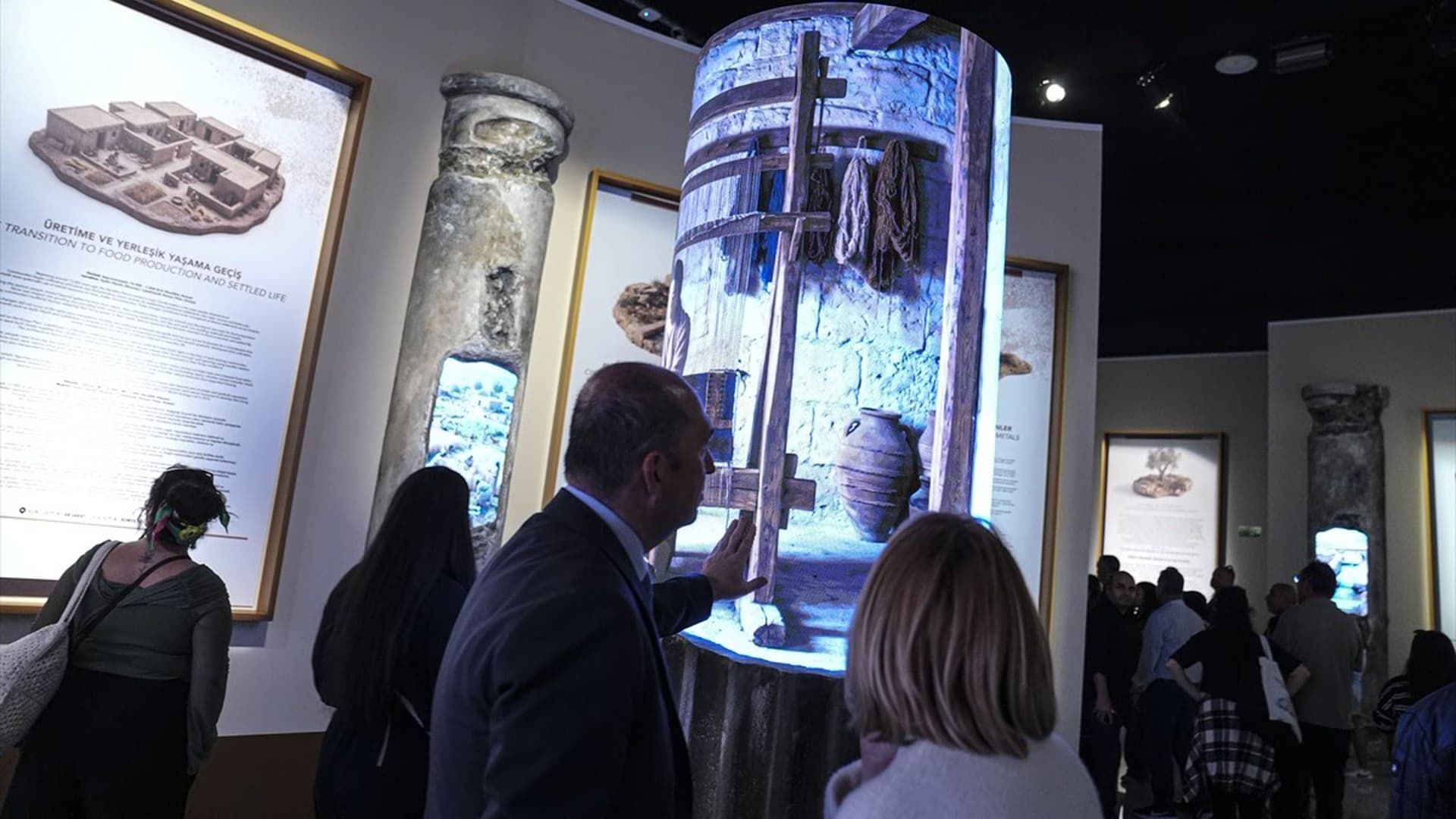
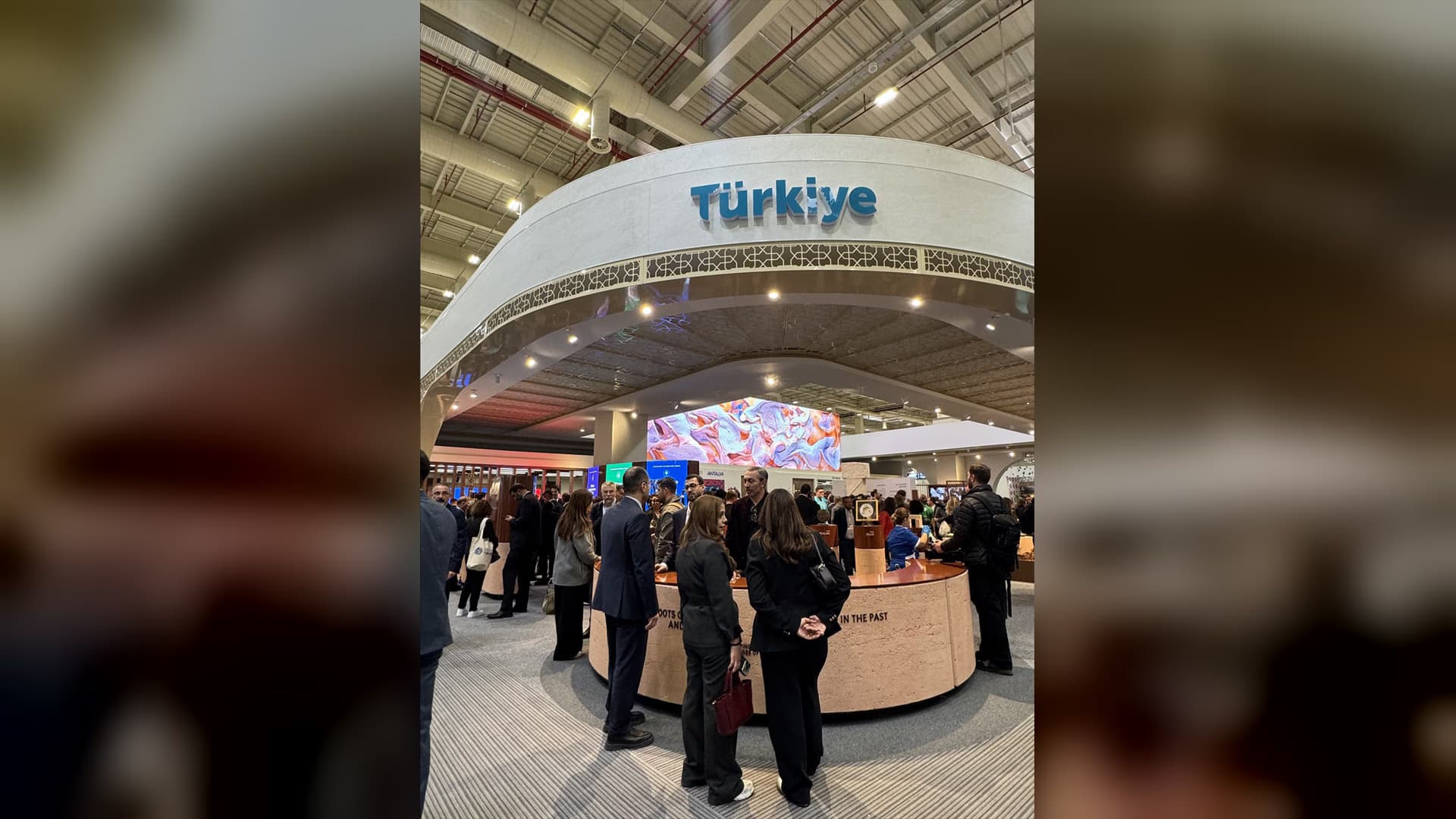
Türkiye's COP31 pavilion explores Anatolia's climate heritage from Göbekli Tepe onward
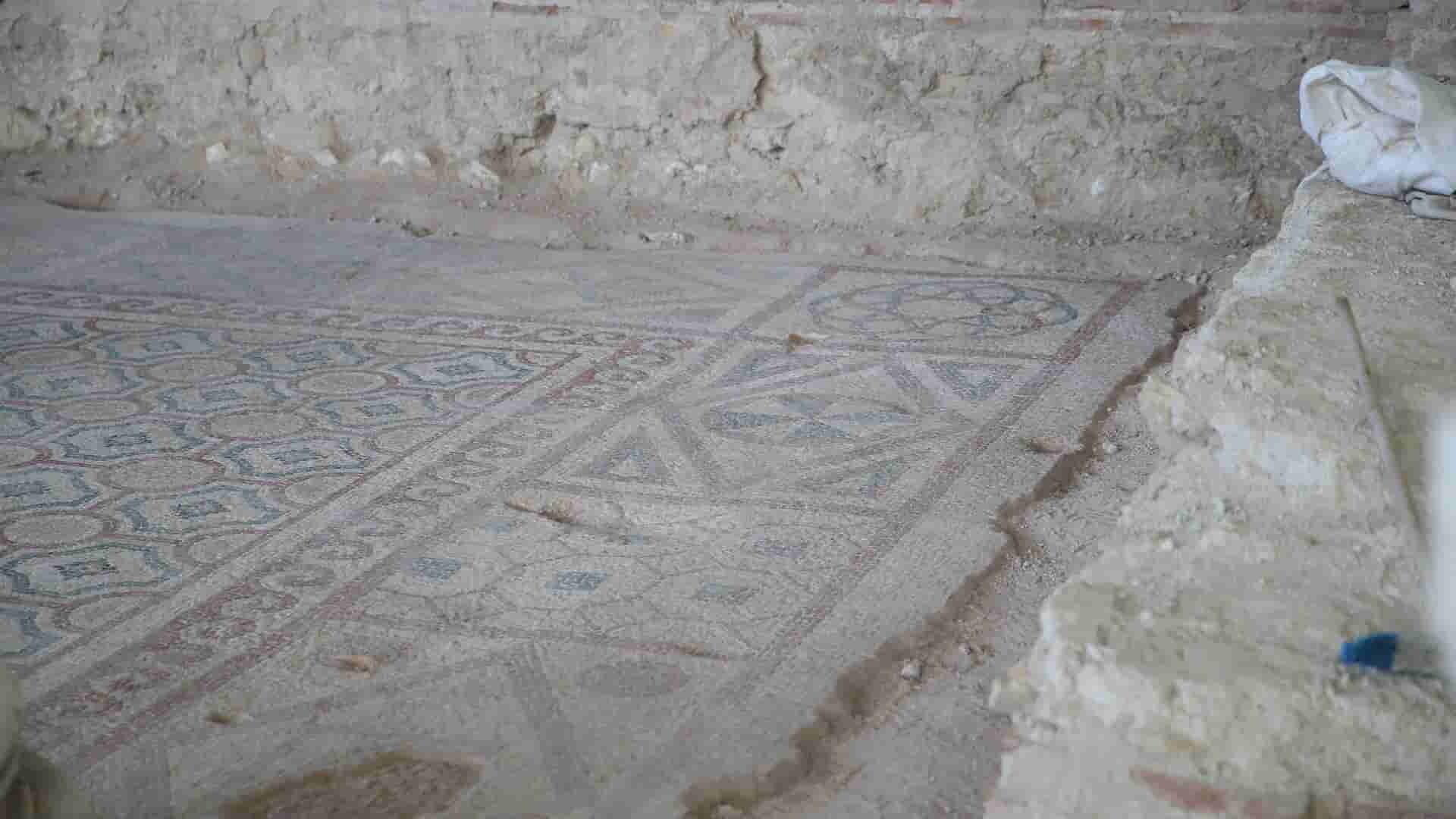
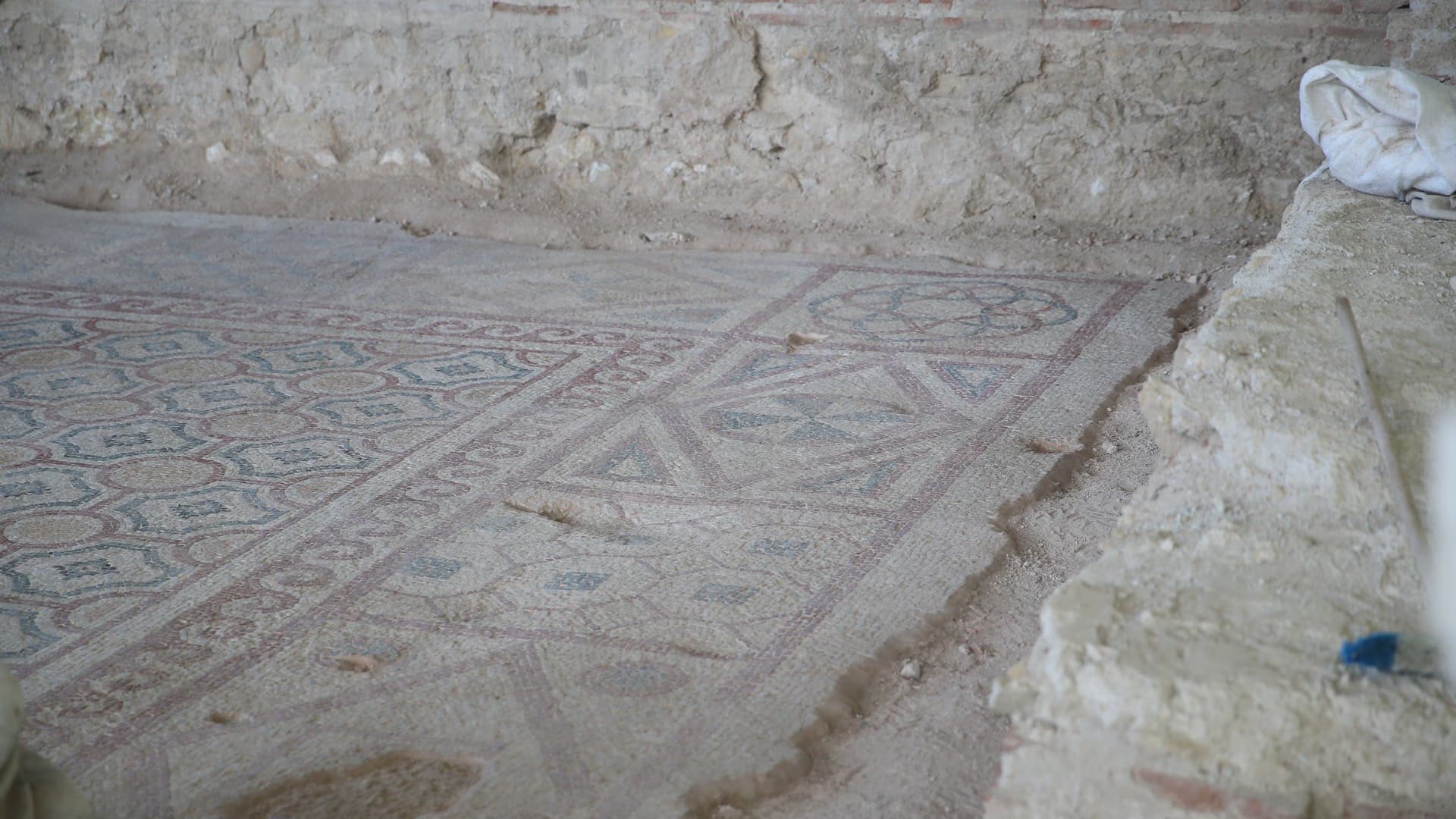
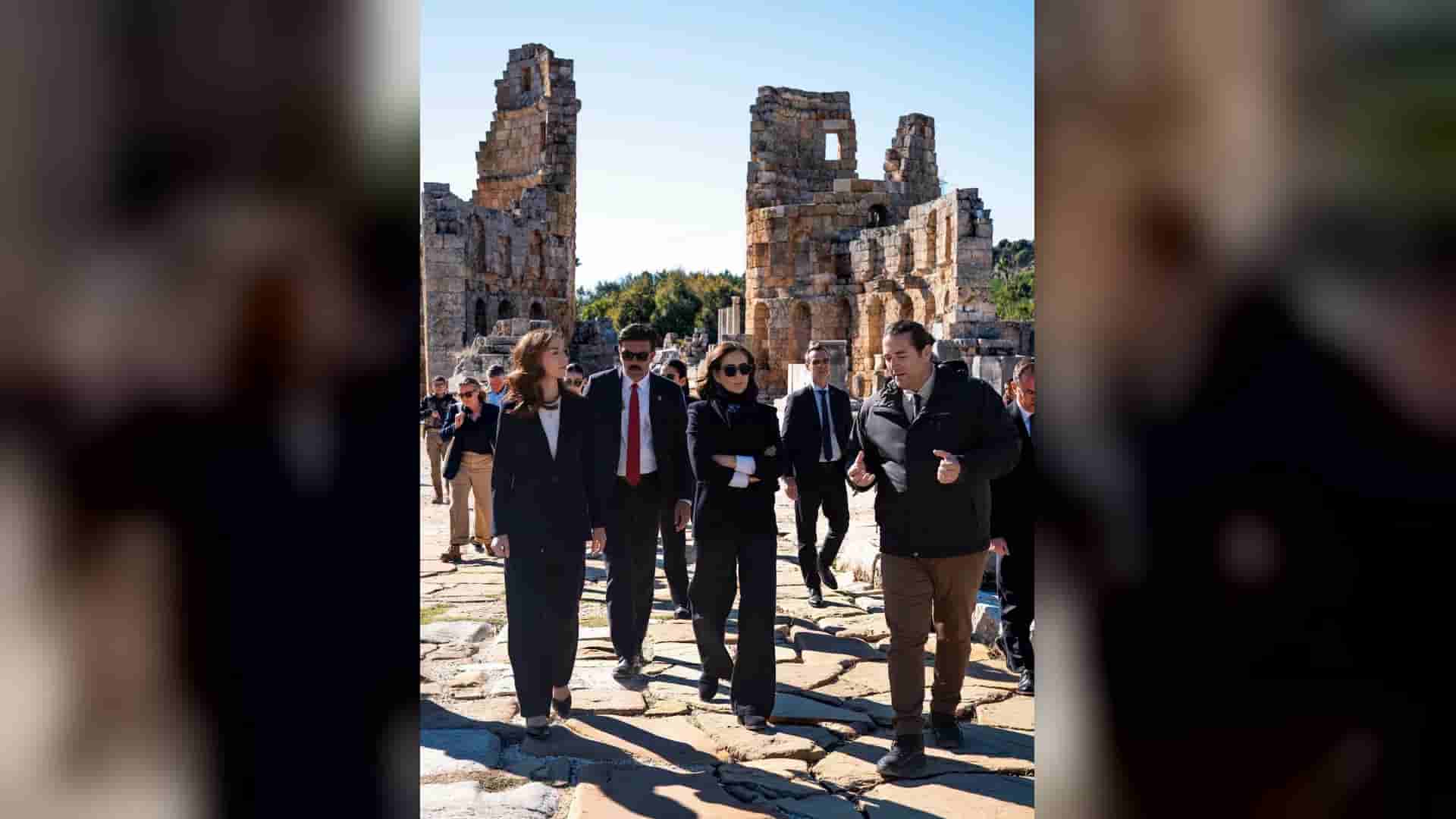
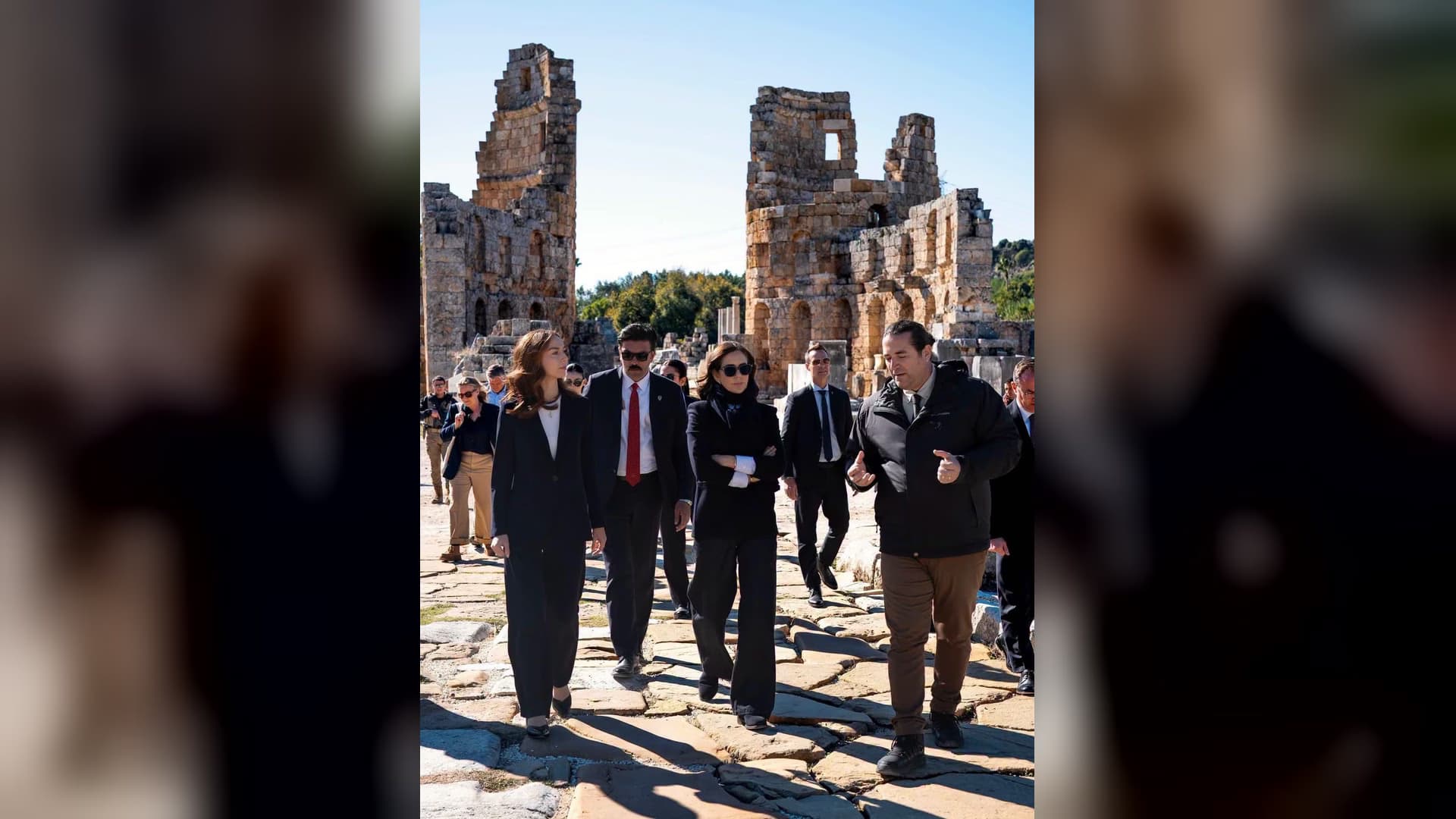
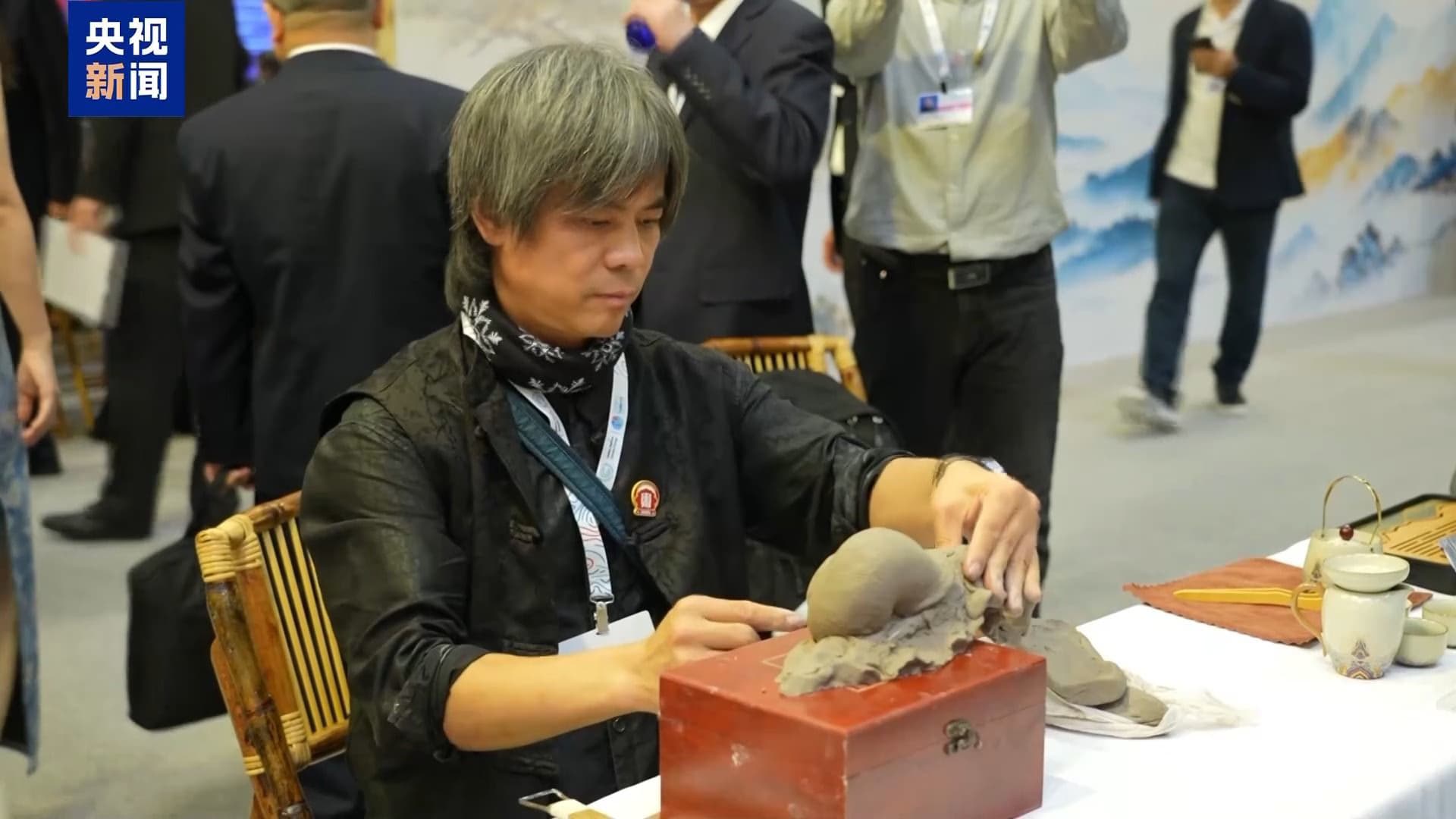
Türkiye's COP31 pavilion presents visitors with Anatolia's culture and responses to the climate from Göbekli Tepe to the present under the theme “7 first roots.” The pavilion, made from recycled materials, also features filigree and glassblowing workshops.
The Turkiye Times Editorial DeskUpdated:

Stay Updated with The Turkiye Times
Subscribe to be informed about special news, developments and announcements. We will keep you informed.
By signing up, you agree to our Privacy Policy