- BIST10011,843+1.51%
- USD50.28+0.05%
- EUR55.60-0.24%
- GOLD3,888.90+0.07%
- INTEREST36.00%-1.00
- BITCOIN64,771-0.83%
- November 16, 202611°
- BIST10011,843+1.51%
- USD50.28+0.05%
- EUR55.60-0.24%
- GOLD3,888.90+0.07%
- INTEREST36.00%-1.00
- BITCOIN64,771-0.83%
- November 16, 202611°
6-year-old girl dies after gene therapy in Shanghai; 2 researchers fired
Shanghai authorities dismissed two researchers after a child died following an experimental gene-editing treatment for a rare disease. The investigation found that warnings from animal trials were not reported in time and that the risks were not clearly explained to the family.

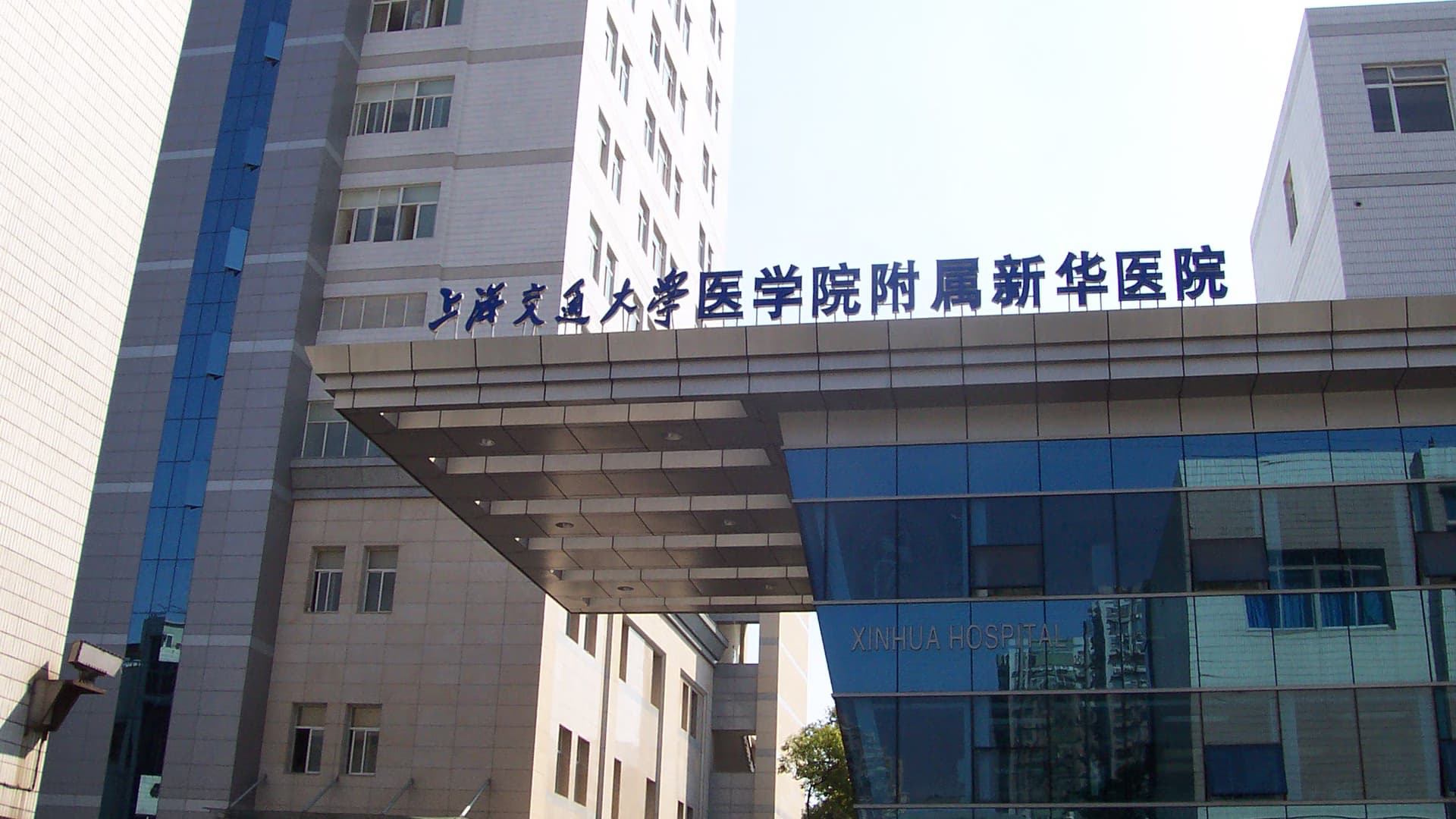
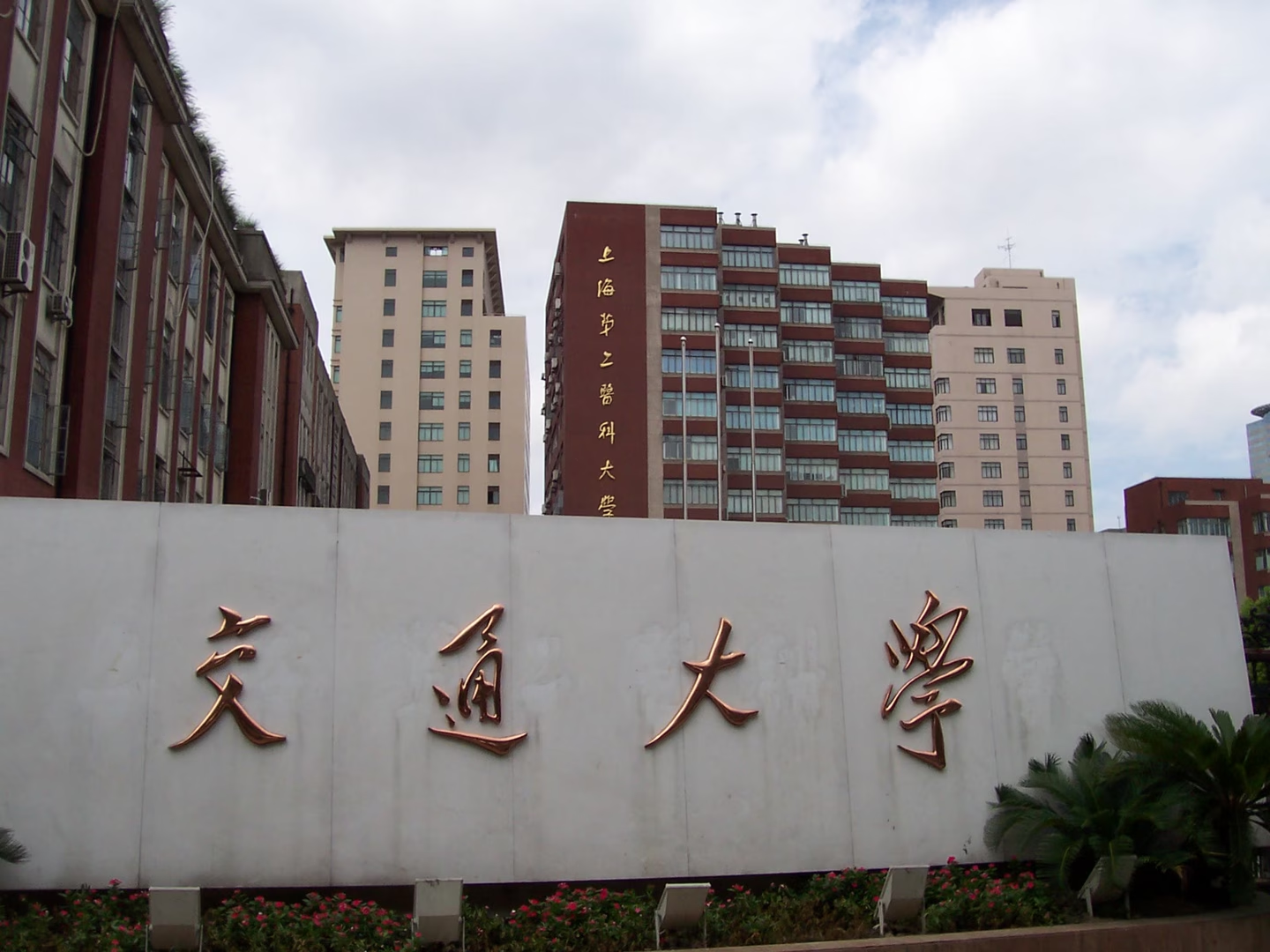
An investigation has concluded into the death of a 6-year-old girl in Shanghai, China, following an experimental gene-editing treatment. The investigation team established by the Shanghai authorities announced that two researchers who led the study had been dismissed and barred for five years from state-funded scientific projects and award evaluations.
China Daily reported that those dismissed were Qiu Zilong, deputy director of the Songjiang Research Institute affiliated with the School of Medicine at Shanghai Jiao Tong University, and Yang Kan, one of the lead researchers on his team. The actions of both researchers were also entered into the country's database of scientific integrity violations.
A rare disease with no effective treatment
The child had been diagnosed with Snijders Blok-Campeau syndrome, a rare neurodevelopmental disorder for which there is no effective treatment. Her family contacted Qiu in July 2023 to request a personalized gene-editing treatment. Qiu's team conducted the preclinical studies, while companies in Guangdong and Sichuan provinces prepared the viral vectors and carried out safety tests on large animals.
The ethics committee of Xinhua Hospital approved the study in January 2025. The child received the injection in March 2025 and died on March 31. The hospital identified the cause of death as thrombotic microangiopathy, a complication associated with gene therapy.
What the investigation found
According to the investigation team, the research team and hospital staff failed to follow the rules strictly. Safety findings from the animal experiments were not reported in time. China Central Television (CCTV) reported that warning signs in safety tests conducted on monkeys were ignored. The hospital approved the study without sufficient toxicology and safety evidence, while the informed-consent form did not clearly emphasize the risk of death to the family.
In an article published in the journal Nature in February 2026, the team did not disclose that the child had died or the adverse outcomes. No data fabrication was found, but academic misconduct and undisclosed conflicts of interest were identified. Some staff members had received a total of approximately 1.06 million yuan, or about $159,000, in money and gifts from the family; the funds and gifts were returned.
Other officials were also dismissed or demoted, including a doctor surnamed Yu from Xinhua Hospital, which was responsible for the clinical study. The school of medicine, Xinhua Hospital and Songjiang District Central Hospital were summoned for warning meetings and required to make corrections.
Special oversight of gene therapies
The Shanghai Health Commission prepared and began implementing a special oversight plan for clinical research involving new biomedical technologies, including gene therapies. The case was first reported in July by Science magazine and Retraction Watch, fueling debate over oversight of rapidly expanding early-stage clinical trials in China.
Photos: Wikimedia Commons
Stay Updated with The Turkiye Times
Subscribe to be informed about special news, developments and announcements. We will keep you informed.
By signing up, you agree to our Privacy Policy