- BIST10011,430-2.49%
- USD49.45+0.05%
- EUR55.62+0.37%
- GOLD4,161.50-0.47%
- INTEREST37.00%-1.00
- BITCOIN81,825-0.23%
- October 19, 202617°
- BIST10011,430-2.49%
- USD49.45+0.05%
- EUR55.62+0.37%
- GOLD4,161.50-0.47%
- INTEREST37.00%-1.00
- BITCOIN81,825-0.23%
- October 19, 202617°
Istanbul universities develop chemotherapy and photothermal patch for melanoma
Researchers from Yildiz Technical University, Marmara University and Istanbul University-Cerrahpasa have developed a microneedle patch system combining chemotherapy and photothermal therapy for melanoma treatment. Cell culture studies have been completed, and the next stage for the system is preclinical animal testing.


Researchers from Yildiz Technical University, Marmara University and Istanbul University-Cerrahpasa have developed a microneedle-based patch system for treating melanoma, one of the aggressive types of skin cancer. Produced using a three-dimensional bioprinter, the system combines chemotherapy and photothermal therapy on a single platform.
The study was conducted at the Health Biotechnology Center of Excellence Joint Application and Research Center, established in 2022 through a partnership among the three universities. The projects were supported by TÜBİTAK and the Turkish Health Institutes Presidency.
Drug to be delivered to the target area
The study, led by Prof. Dr. Cem Bülent Üstündağ, a faculty member in Yildiz Technical University's Department of Bioengineering and director of SABİOTEK, involved producing hydrogel-based microneedles. The system is designed to deliver the chemotherapeutic agent directly to the target area and release it in a controlled manner.
The photothermal component converts light energy into heat, creating a localized increase in temperature in the tumor area. Using the two mechanisms together is intended to enhance the regional treatment effect and reduce systemic side effects caused by the drug spreading to other parts of the body.
Structure of the microneedle system
According to Üstündağ, the system consists of two functional sections. Graphene quantum dots measuring approximately 5–10 nanometers are used at the base of the microneedles for the photothermal effect, while 5-fluorouracil, the chemotherapeutic agent, was placed at their tips.
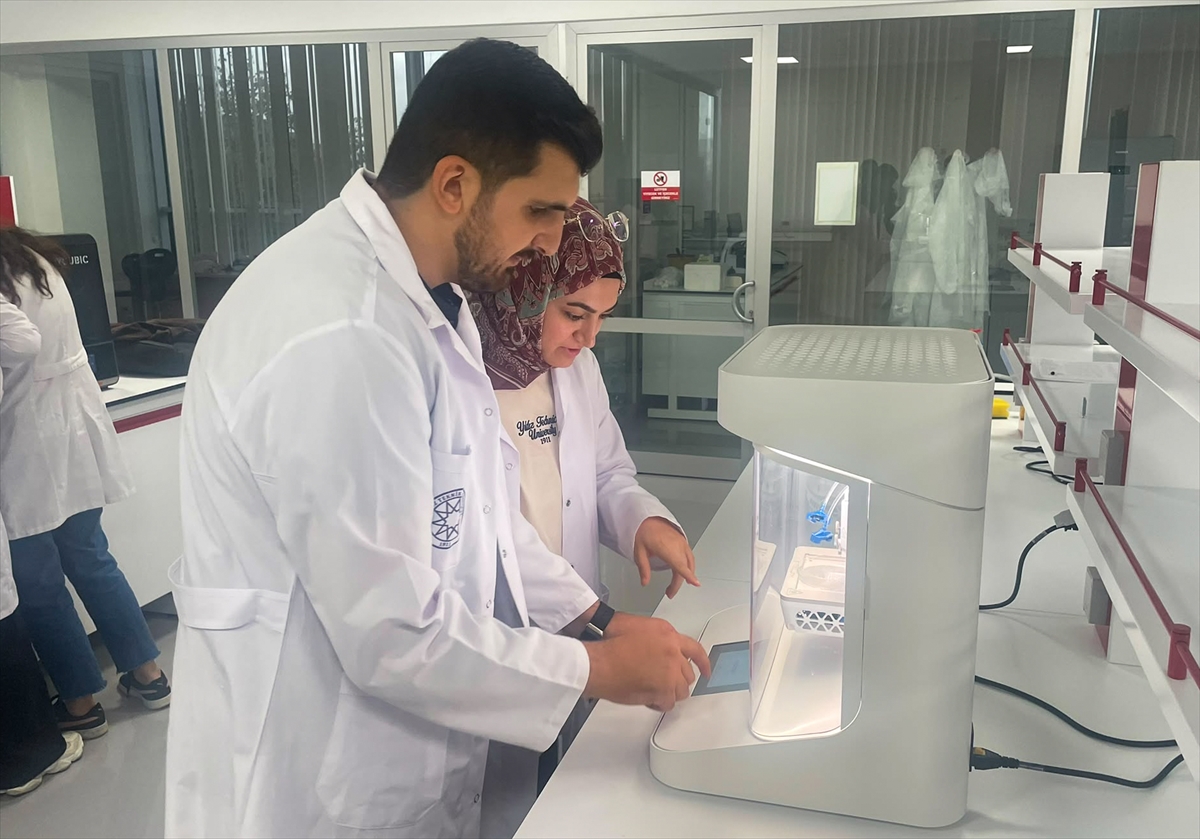
After the microneedles, produced from sodium alginate- and gelatin-based biomaterials, penetrate the skin, they are planned to be stimulated externally with light. This is intended to create a controlled temperature increase reaching approximately 42 degrees in the target area, with the heat contributing to drug release.
Üstündağ said the localized increase in temperature could disrupt cellular processes in cancer cells and trigger programmed cell death mechanisms. He said the system brings photothermal and chemotherapeutic effects together within the same structure.
Laboratory studies completed
Laboratory studies of the developed microneedle patch system on cancer cells have been completed. More extensive preclinical and clinical research is needed for the system to reach clinical use.
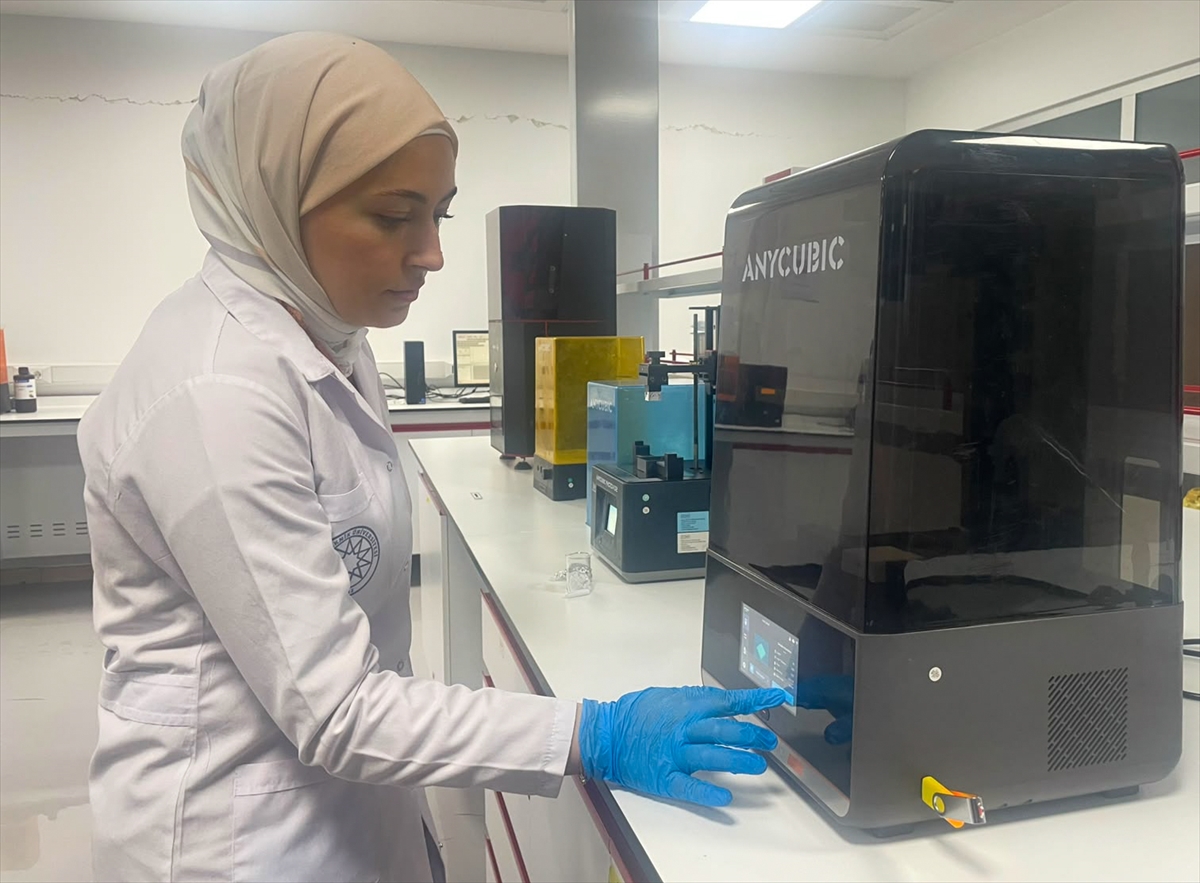
Üstündağ said the next stage would involve preclinical studies, including animal testing, and that clinical trials could begin if successful results are obtained. He noted that these processes require long-term, high-budget research.
Study began with a 2021 project
The research on microneedle technology is based on a TÜBİTAK project supported in 2021. In the initial stage, the researchers compared gelatin produced from cattle hides in Türkiye with a commercial product used internationally and identified similar characteristics.
Following these results, locally produced gelatin began to be used in microneedle-based drug delivery systems. The platform for melanoma treatment was later developed through projects supported by TÜBİTAK and TÜSEB.
Two patent applications filed
As part of the project, two separate patent applications were filed: one for the microneedle-based system and the other for a test platform used to evaluate the mechanical performance of the microneedles.
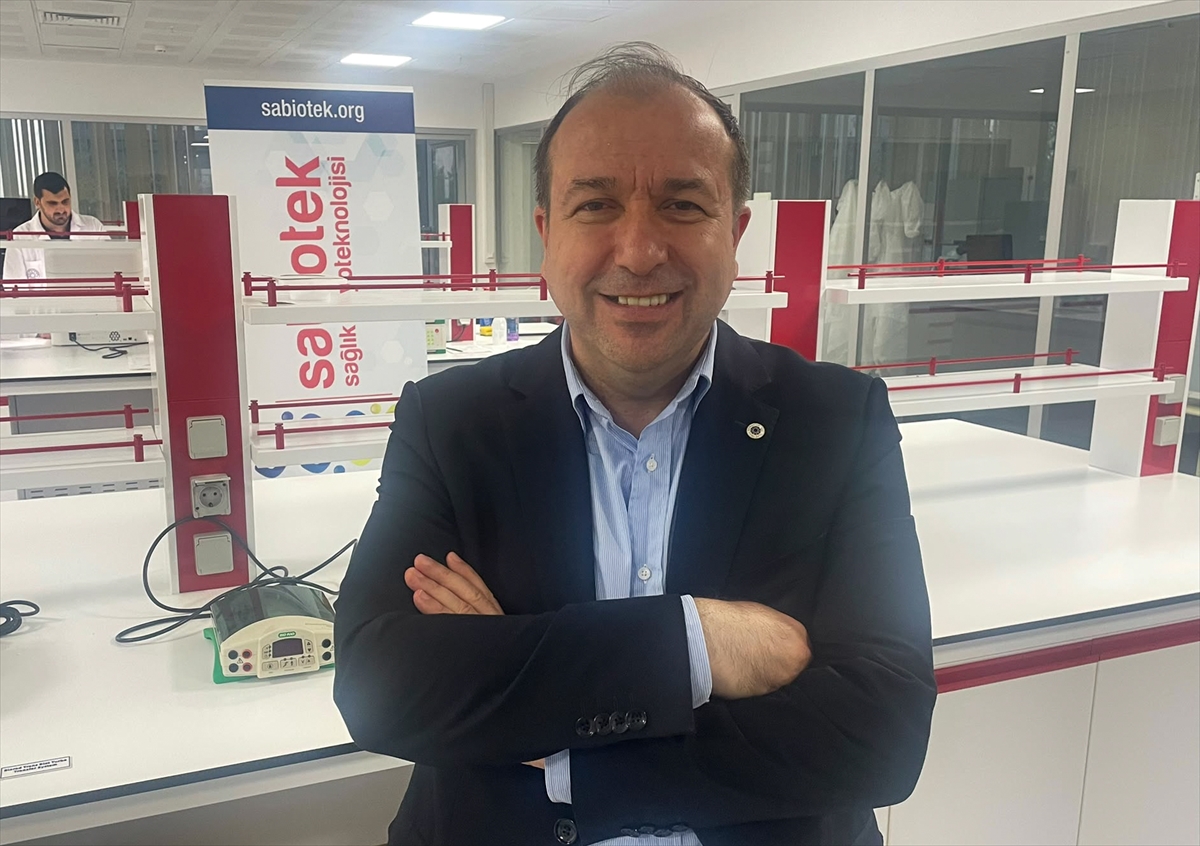
The test platform is used to assess the extent to which the microneedles penetrate the skin, the forces generated during application and whether the microneedles reach the targeted skin layers.
The technology received a gold medal in an international competition and the Special Award of the World Federation of Inventors' Associations.
Locally produced gelatin used
The gelatin used to produce the microneedles was sourced from a manufacturer operating in Türkiye. The local product was compared with a reference product from an international supplier, and locally produced gelatin continued to be used in the studies after similar results were obtained.
Üstündağ said they aim to transform the approach in the long term into a local and complementary treatment option for cancer cells that may remain in the area after the tumor is surgically removed. Preclinical and clinical studies must be completed to demonstrate this potential.
Stay Updated with The Turkiye Times
Subscribe to be informed about special news, developments and announcements. We will keep you informed.
By signing up, you agree to our Privacy Policy














