- BIST10012,094-0.20%
- USD49.39+0.05%
- EUR55.30+0.16%
- GOLD4,175.40+1.64%
- INTEREST37.00%-1.00
- BITCOIN80,912-0.81%
- October 15, 202615°
- BIST10012,094-0.20%
- USD49.39+0.05%
- EUR55.30+0.16%
- GOLD4,175.40+1.64%
- INTEREST37.00%-1.00
- BITCOIN80,912-0.81%
- October 15, 202615°
Albania student protests turn violent as ministries come under attack
Student protests in Tirana demanding better university conditions and the resignation of Prime Minister Edi Rama turned violent for a second straight day, with the justice and finance ministries and the prime minister’s office targeted and dozens detained.
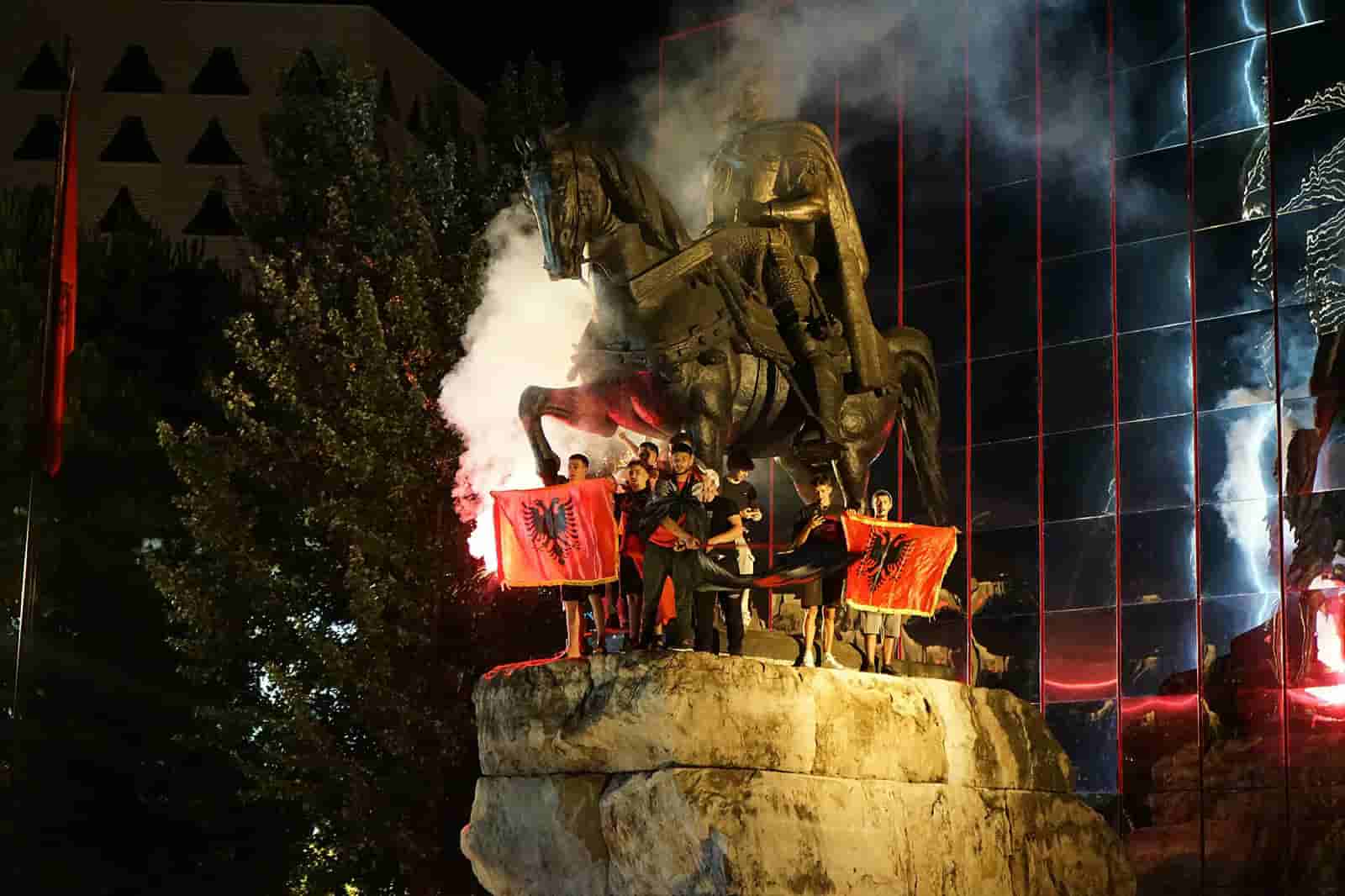
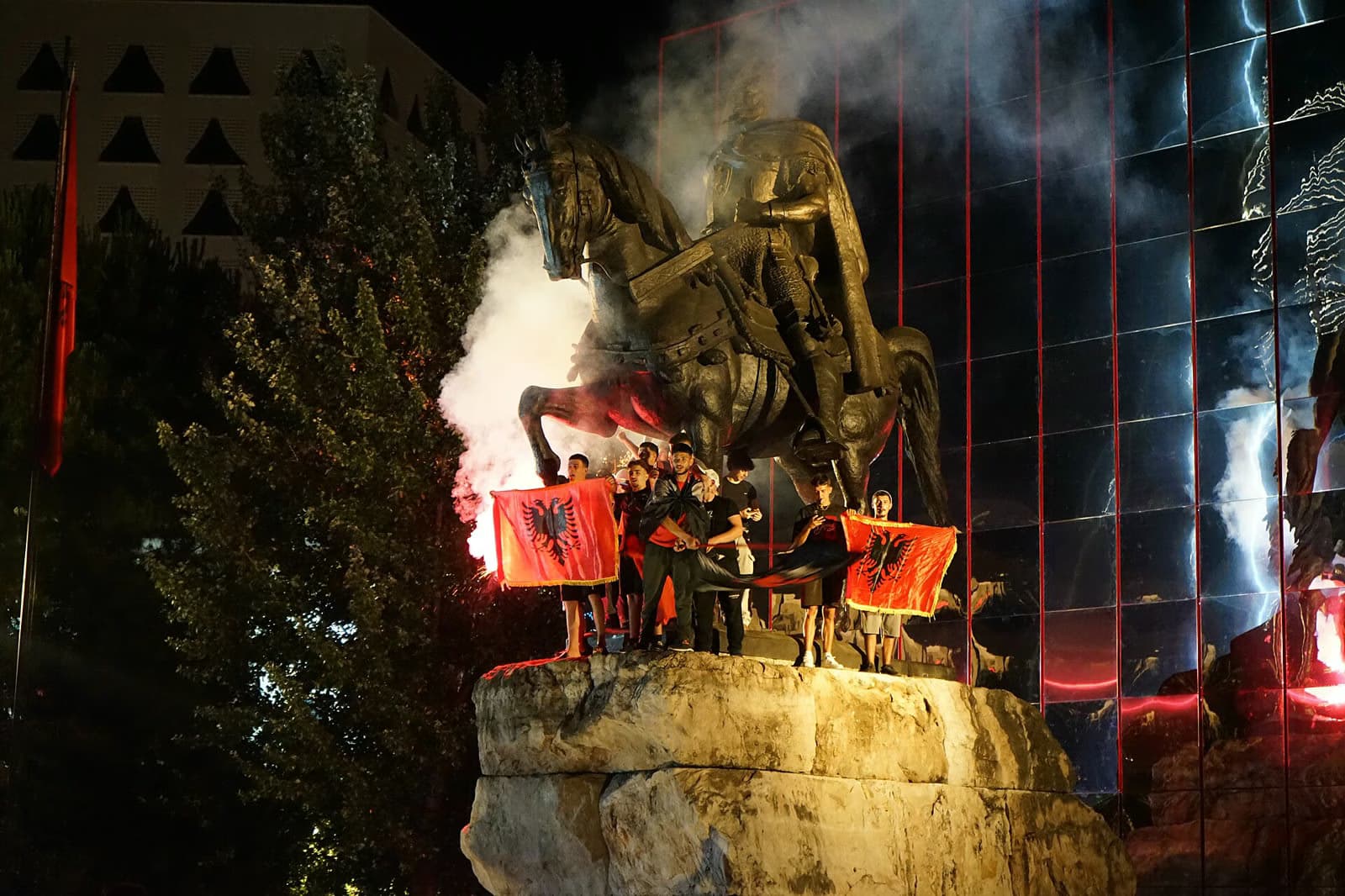
Student protests that began outside the Education Ministry in Tirana on Oct. 13 escalated over two days into clashes between police and demonstrators. The young protesters, angry about poor conditions in lecture halls and dormitories, high fees and a lack of job prospects, also called for Prime Minister Edi Rama to resign.
On the first day, after about an hour of chanting and banners, some protesters tore up metal railings and paving slabs, struck the Education Ministry building and pelted it with stones, while a group entered the ministry courtyard. Police responded with tear gas and water cannon. In the evening the clashes spread across the city centre, fires were set on Durrës Street and the entrance hall of the Tirana municipality building was set alight.
Ministries targeted on day two
The unrest grew on Oct. 14. Protesters smashed windows at the Justice Ministry and set fire to one floor, broke doors and windows at the Finance Ministry and briefly entered the building. Police used water cannon after stones were thrown at the prime minister’s office. There was an attempt to storm a police station, and police cars, banks and many shops were damaged. Firefighters put out the blazes.
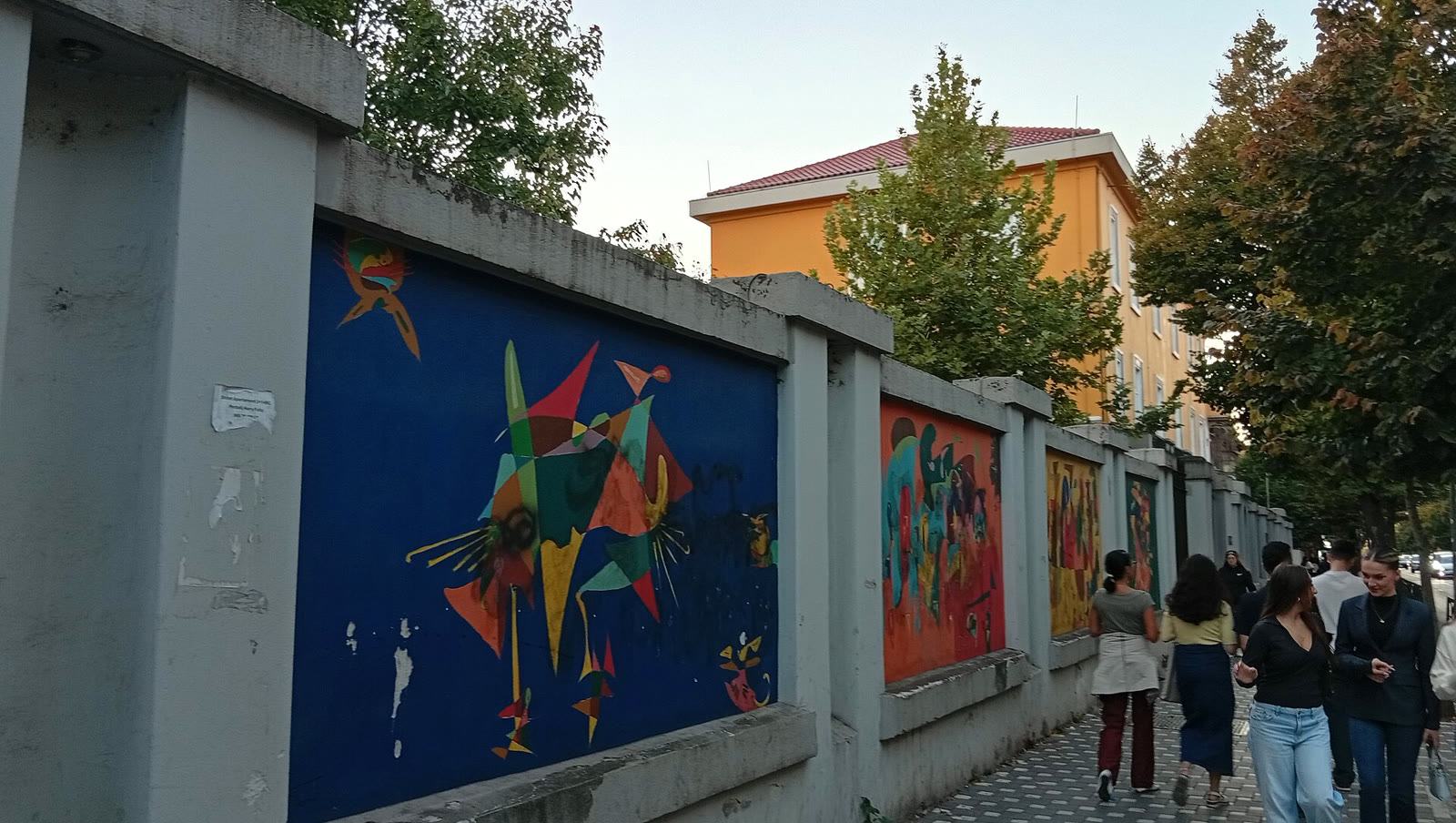
Police said six officers were injured and 16 people arrested on the first day, with 49 others under investigation; on the second day 14 officers were hurt and 35 people detained. The Health Ministry said 13 people were treated after the first day. Journalists and an Austrian diplomat who suffered a head injury were among those hurt.
Rama: I will not resign
In written answers to Reuters, Rama said he would not resign and would not allow the violence to derail Albania’s goal of joining the EU. Interior Minister Ervin Demo said he understood the students’ concerns but blamed the violence on "malicious hands of outsiders," urging those causing destruction to "pull back before it is too late."
Four police officers and a station’s public order chief were suspended after footage showed a 19-year-old with a broken leg being carried roughly by officers. The European Union voiced concern over the "violent escalation," calling for a prompt investigation into allegations of excessive police force and for all sides to de-escalate.
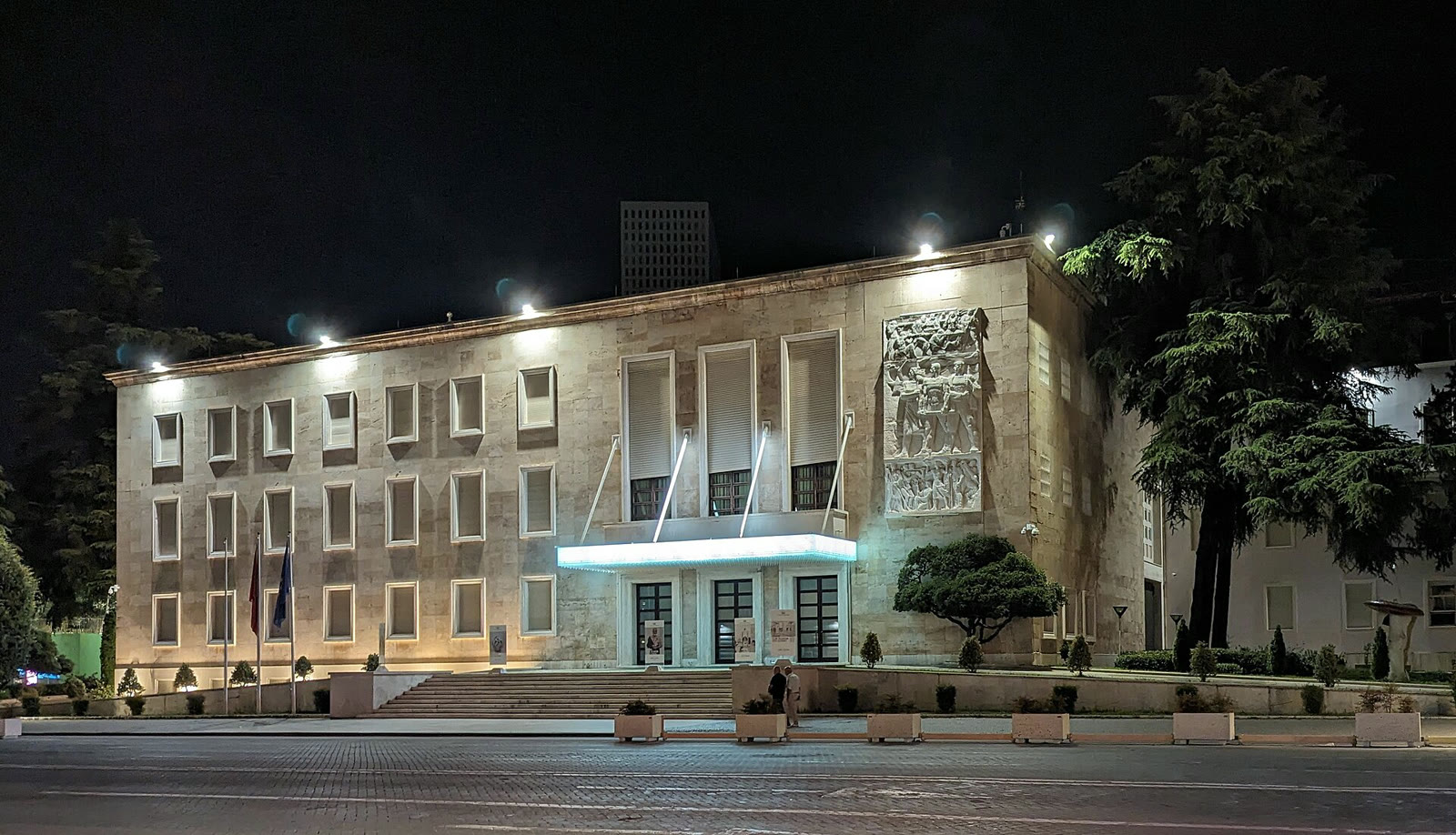
The protests build on the "Flamingo Revolution," which began in June against a luxury tourism project in the Zvërnec area of southern Albania linked to the family of U.S. President Donald Trump and grew into an anti-government movement.
Stay Updated with The Turkiye Times
Subscribe to be informed about special news, developments and announcements. We will keep you informed.
By signing up, you agree to our Privacy Policy