The Intellectual Property Crimes and Public Health Workshop, held at a hotel in Ankara, concluded after two days of sessions. The event, which brought together public institutions, international organizations, academics and private sector representatives, focused on the multidimensional threats posed by counterfeit products.
In panels and sessions, the effects of counterfeit consumer goods—including fake drugs, medical devices, seeds, pesticides, cosmetics, toys, cleaning products and textiles—on human health, the environment, agriculture and public safety were assessed from scientific and practical perspectives.
The program also included discussions, with the participation of national and international experts, on the damage counterfeiting causes to tax revenues, the informal economy, employment, production and brand value, as well as its links to organized crime and terrorism financing. New strategies developed by law enforcement to combat evolving criminal methods were also shared.
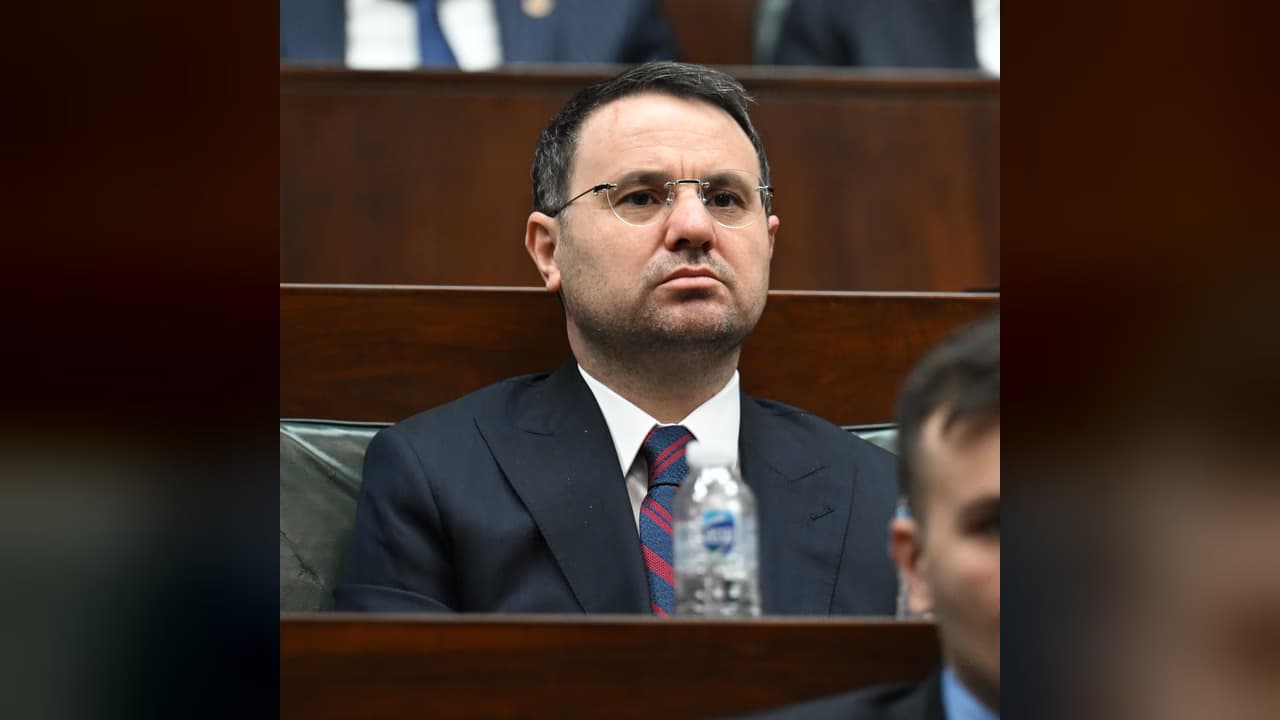
Emrullah Gölcük, Head of the Security Department at the Turkish National Police (EGM), said in his closing speech that they had come together with the private sector, academia and international organizations around a common goal. Gölcük stated:
The new collaborations established and the knowledge and experience shared throughout the workshop will contribute to developing a common understanding in our fight. This common understanding will make significant contributions not only to efforts in our country but also to the global fight against intellectual property crimes. I hope that the strong communication and cooperation built here will continue to grow in the future.
The workshop provided participants with new perspectives on combating counterfeiting and concluded with a message of strengthening international cooperation.