- BIST10011,430-2.49%
- USD49.45+0.05%
- EUR55.62+0.37%
- GOLD4,164.00-0.41%
- INTEREST37.00%-1.00
- BITCOIN81,883-0.16%
- October 19, 202616°
- BIST10011,430-2.49%
- USD49.45+0.05%
- EUR55.62+0.37%
- GOLD4,164.00-0.41%
- INTEREST37.00%-1.00
- BITCOIN81,883-0.16%
- October 19, 202616°
Argentina legend Rattín dies at 89; remembered with black armbands at World Cup
Antonio Rattín, one of the unforgettable figures of Argentine football, died at the age of 89. His death coincided with Argentina's World Cup quarterfinal victory; the players took the field wearing black armbands.


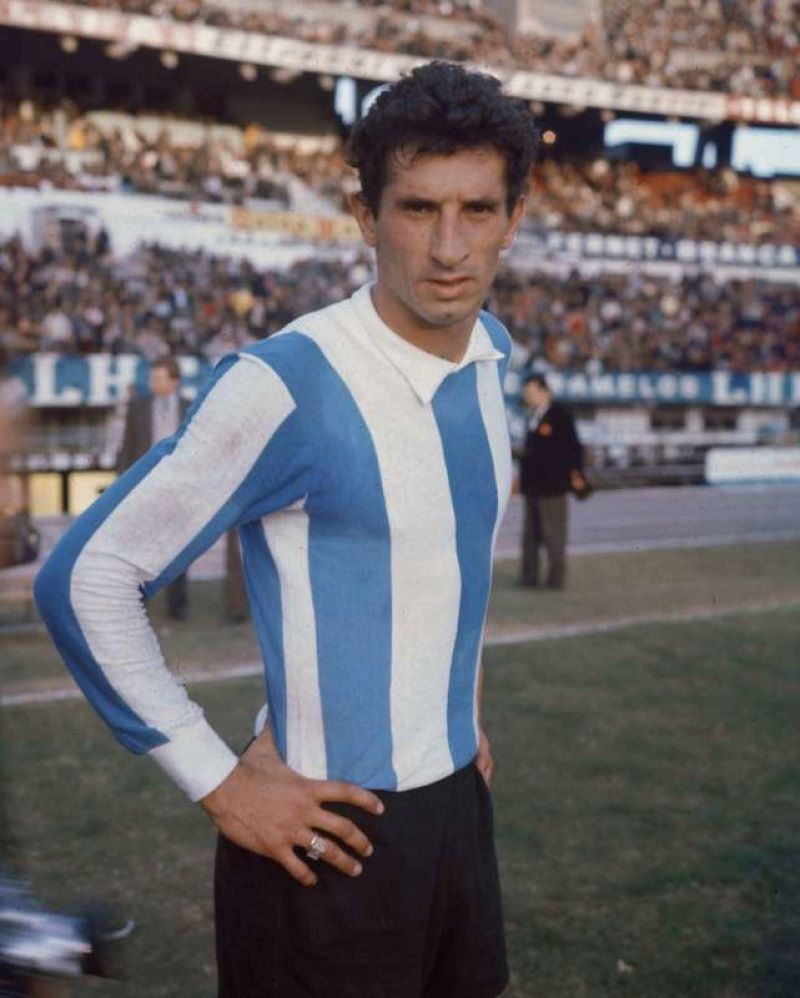
Antonio Rattín, the legendary Argentine midfielder and former national team captain, died at the age of 89.
Boca Juniors announced Rattín's death on its social media account. The club said, "We are deeply saddened by the loss of Antonio Ubaldo Rattín, an icon and legend of our institution. We extend our condolences to his family and loved ones."
Boca Juniors legend
Rattín, who wore the Boca Juniors jersey from 1956 to 1970, scored 28 goals in 382 matches and won four Argentine league titles. He led the team to the Copa Libertadores final in 1963.
Rattín, who played for the Argentina national team from 1959 to 1969, appeared in the 1962 and 1966 World Cup finals.
The incident that led to the introduction of yellow and red cards
Rattín's name went down in history with a controversial refereeing decision in the 1966 World Cup quarterfinal against England. German referee Rudolf Kreitlein sent off the Argentina captain for arguing and insulting him.
In this incident, which took place at a time when yellow and red cards were not yet in use, Rattín refused to leave the pitch. The player, claiming he did not understand Spanish, was escorted off the field by security guards. Argentina lost the match and was eliminated from the tournament.
Following this incident, FIFA introduced yellow and red cards starting from the 1970 World Cup, aiming to facilitate communication between referees and players.
A farewell with black armbands
Rattín's death was announced on the day Argentina defeated Switzerland to advance to the semifinals. The national team players took the field wearing black armbands for the quarterfinal match to honor the legendary captain.
Rattín left an unforgettable mark on Argentine football with both his achievements and his stance that changed the rules of the game.
Stay Updated with The Turkiye Times
Subscribe to be informed about special news, developments and announcements. We will keep you informed.
By signing up, you agree to our Privacy Policy