- BIST10011,843+1.51%
- USD50.28+0.05%
- EUR55.60-0.24%
- GOLD3,900.50+0.37%
- INTEREST36.00%-1.00
- BITCOIN65,155-0.24%
- November 16, 202611°
- BIST10011,843+1.51%
- USD50.28+0.05%
- EUR55.60-0.24%
- GOLD3,900.50+0.37%
- INTEREST36.00%-1.00
- BITCOIN65,155-0.24%
- November 16, 202611°
ASELSAN's EJDERHA disables 51 drones with one button, no munitions
ASELSAN said EJDERHA, which uses high-power electromagnetic waves, brought down 51 drones within seconds during a demonstration marking the company's 51st anniversary. The company said this was the first time the figure had been reached in directed-energy technology.

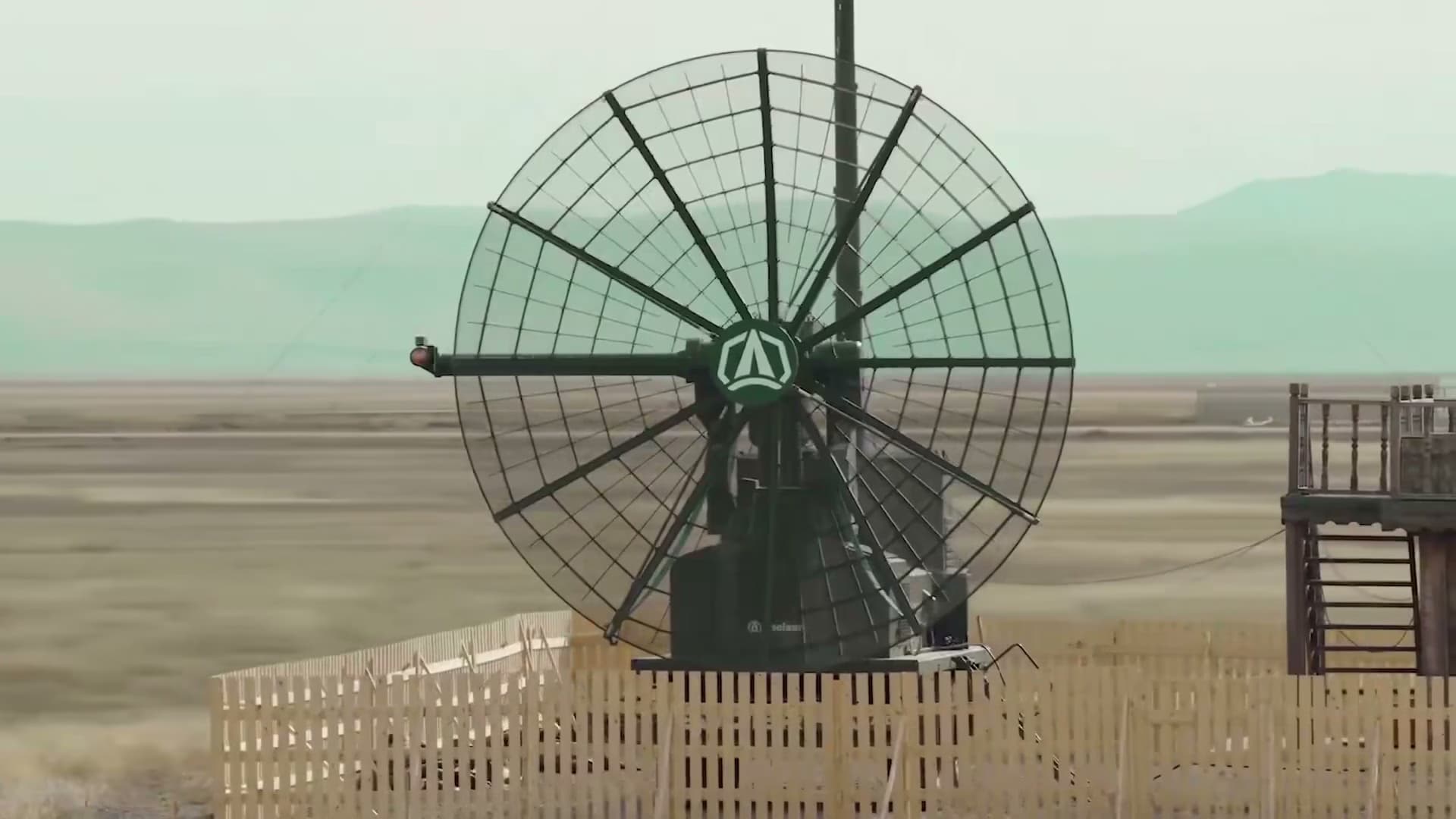
ASELSAN said its EJDERHA High-Power Electromagnetic (HPEM) UAV Defense System disabled 51 drones that took off simultaneously within seconds, without using missiles or munitions. The company described the field demonstration held for its 51st anniversary on November 14 as "a world first."
According to ASELSAN, no system equipped with directed-energy technology had previously been recorded as disabling so many drones simultaneously anywhere in the world. The company said the achievement also marked a first in the field of Counter-Electronic Warfare Systems.
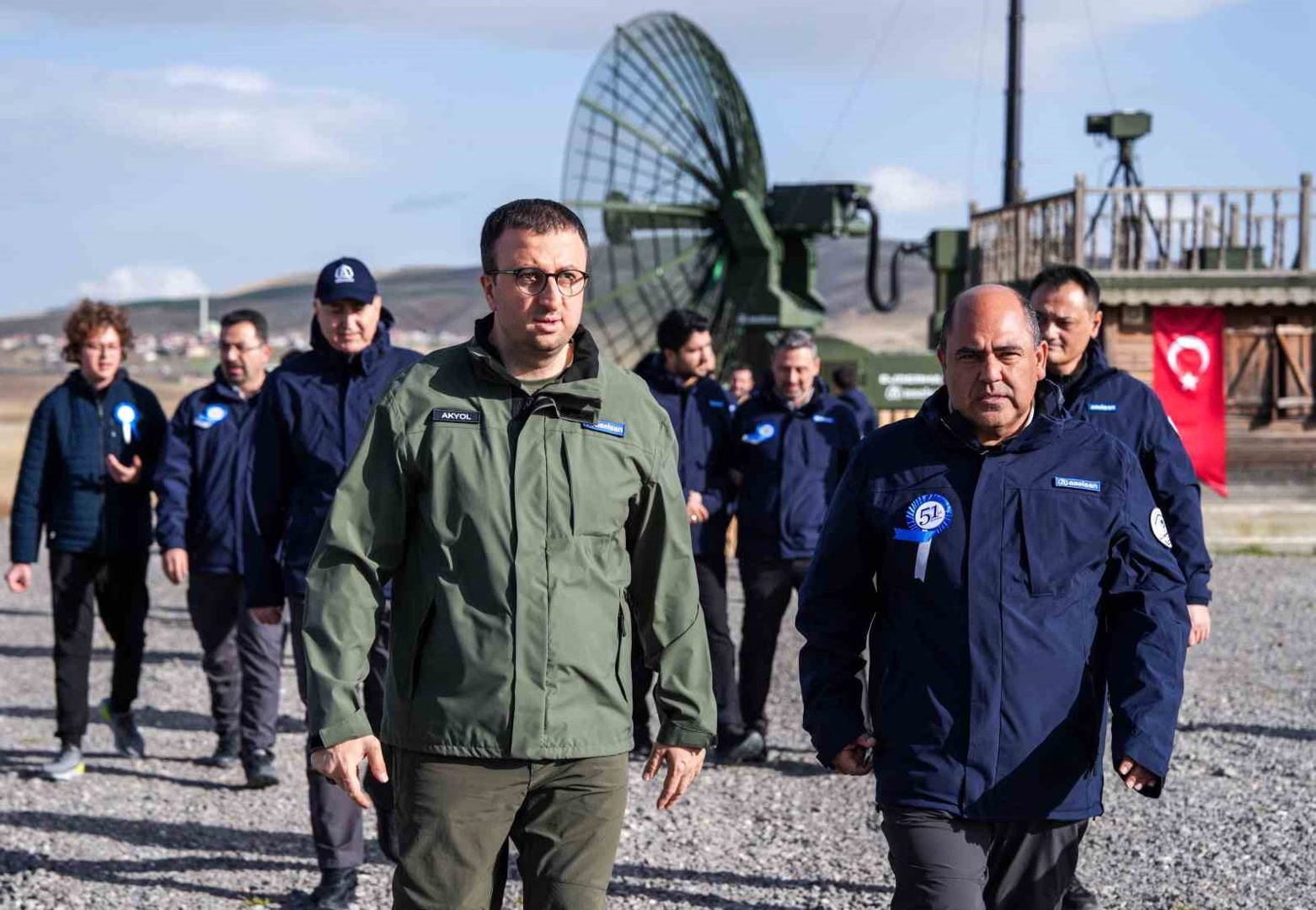
Footage released by ASELSAN shows EJDERHA's large dish antenna positioned at the test site as dozens of drones take off simultaneously. The system's target-tracking display then shows 51 targets being marked, while the drones lose control within a short time. In the final section of the footage, ASELSAN General Manager Ahmet Akyol assesses the demonstration in front of the system.
Two-stage demonstration: first tethered drones, then a swarm
The demonstration took place in two stages. EJDERHA first disabled two different tethered drones from a distance of approximately 1,000 meters. Because tethered drones receive commands through a physical cable rather than radio signals, conventional jamming systems cannot affect them. ASELSAN said it aimed to show through this stage that EJDERHA can provide protection regardless of the type of threat.
The second stage involved a drone-swarm scenario. Representing the 51 years the company has completed, 51 drones were launched simultaneously. EJDERHA disabled all the drones launched in the multiple-threat scenario at the same time within seconds.
How does EJDERHA work?
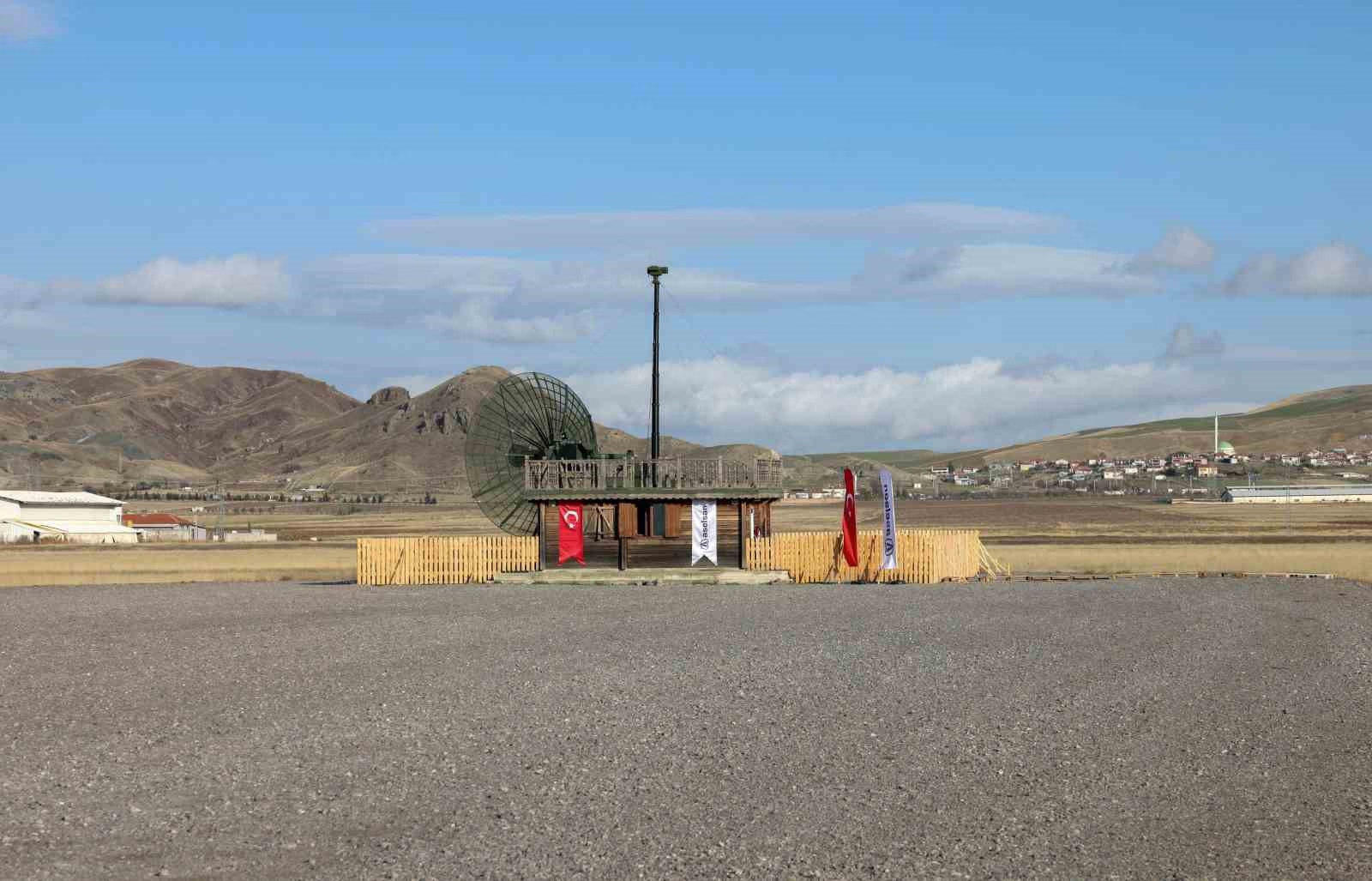
EJDERHA generates high-power electromagnetic waves using vacuum electronics technology and directs these waves at the target's electronic circuits. The system detects the target with radar, tracks it with an electro-optical system and directs the beam at the target through its precision-guidance capability.
According to ASELSAN, EJDERHA can suppress, restart, disable or damage any threat containing electronic circuits. This allows the navigation, communications and command-and-control systems of UAVs to be disabled from a safe distance. The system has so far been tested repeatedly under field conditions against various targets, including mini and micro UAVs, fixed-wing sub-cloud UAVs, tethered and wireless FPV drones, and internal-combustion UAV engines.
Because electromagnetic waves travel at the speed of light, the target has very little chance of escape. The cost per shot is considerably lower than that of missiles, and as long as a power source is available, there is no risk of running out of munitions.
Akyol: "We brought down 51 drones with one button"
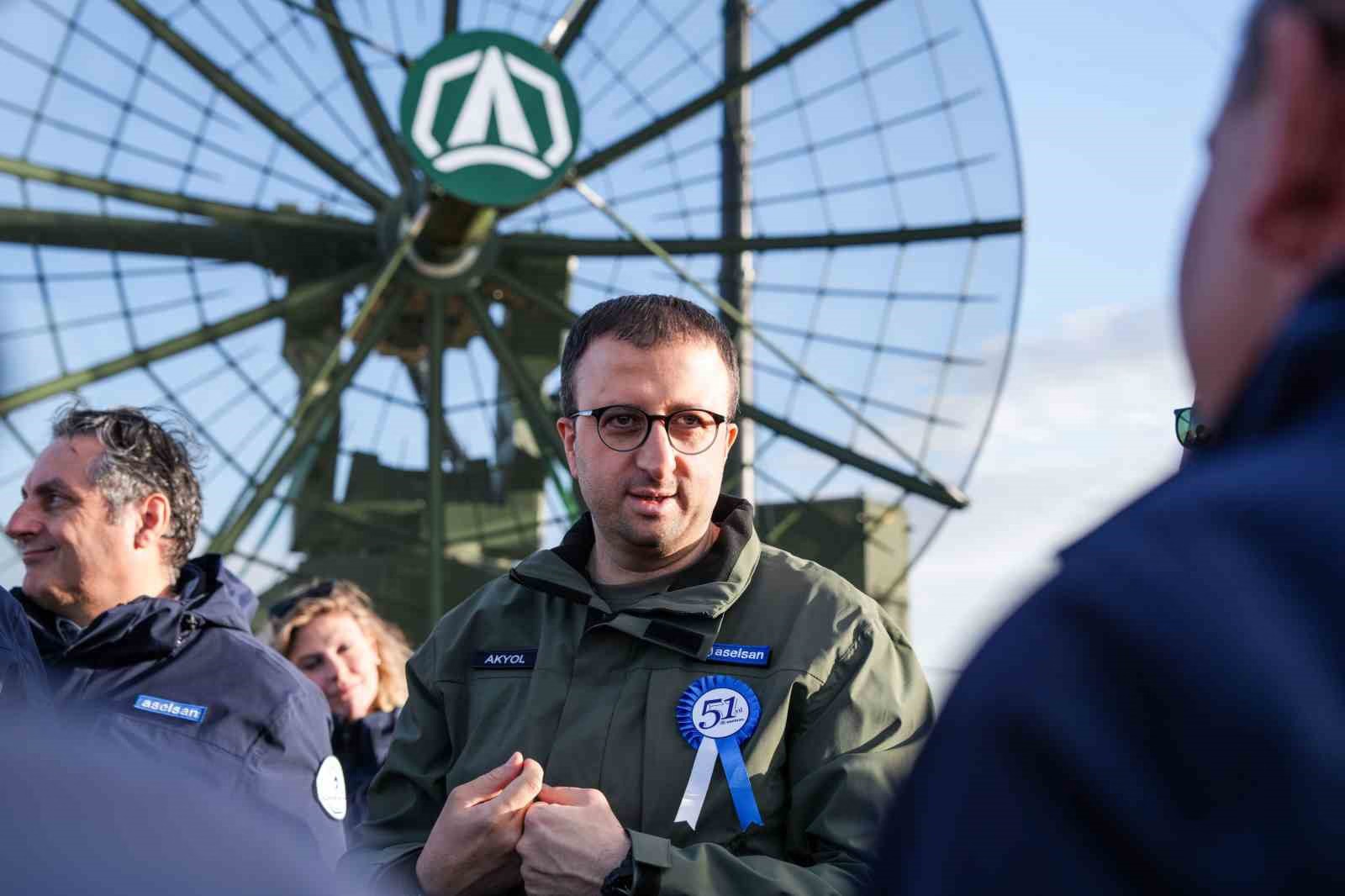
Assessing the record attempt, ASELSAN General Manager Ahmet Akyol said they had gathered with employees for the demonstration and stated: "ASELSAN's EJDERHA system became the first system in the world to bring down 51 drones with one button, without firing a missile or using munitions. It has become one of the systems that can most effectively destroy drones, one of the greatest threats of our time, with high-power electromagnetic waves."
Akyol stressed that the achievement was made possible by ASELSAN's experience accumulated over 50 years, its young engineering workforce, the course set by the state and the support of the nation. Saying, "As a result of these efforts, EJDERHA is now a technology deployed in the field, in serial production and developed to a level that will contribute to our country's security," Akyol added that they would continue high-technology investments with determination.
From the laboratory to the field: EJDERHA's journey
EJDERHA was developed to serve within Türkiye's national, layered air-defense architecture, ÇELİKKUBBE. The EJDERHA/AD 200 version of the system on a mobile platform was demonstrated to officials from the Presidency of Defence Industries (SSB) and security agencies through four different scenarios at ASELSAN's Gölbek Technology Base in January 2026. During that demonstration, the system disabled three tethered FPV drones simultaneously. Akyol had also announced at the beginning of the year that EJDERHA was planned to enter the inventory in 2026.
In September, ASELSAN deployed EJDERHA AD 210 alongside the KANGAL FPV 100 jamming system during a demonstration for domestic delegations at the Gölbek Firing and Test Center. In that trial, EJDERHA AD 210 disabled multiple tethered FPV drones, a fixed-wing drone and an internal-combustion engine. The latest demonstration involving 51 drones significantly increased the number of targets the system can engage in a single operation.
Why does it matter against drone swarms?
Cheap and easily produced drones have become one of the biggest threats to battlefields, cities and critical infrastructure in recent years. Stopping a drone swarm with missiles or ammunition generally means using separate munitions for each target. This raises costs and makes defense more difficult when many targets arrive simultaneously.
ASELSAN's statement stressed that conventional systems are inadequate against new-generation drones that are quiet, invisible and supported by artificial intelligence, and that new threats must be met with new-generation solutions. The company said that, in its layered approach extending from detection to disabling, directed-energy systems such as EJDERHA are no longer science fiction but part of everyday security.
Video and photos: ASELSAN, UAV
Have a story, event or announcement of your own?Send us your news on WhatsApp
Spotted an error in this story?Report it on WhatsApp
Share on all social platforms
Sponsored Ads
Featured Listings
Loading featured properties...
Stay Updated with The Turkiye Times
Subscribe to be informed about special news, developments and announcements. We will keep you informed.
By signing up, you agree to our Privacy Policy