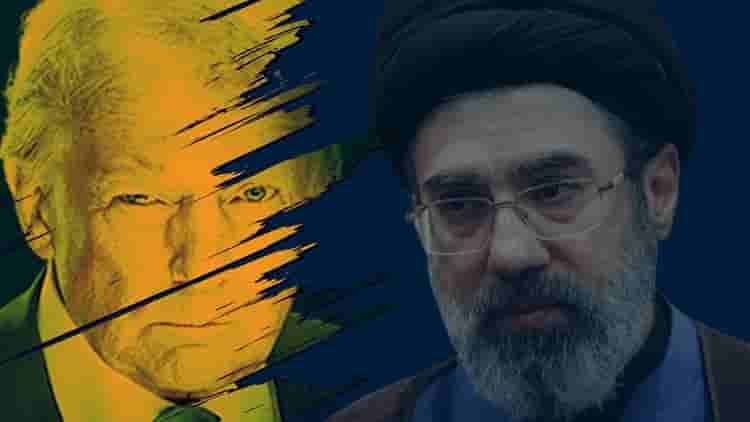
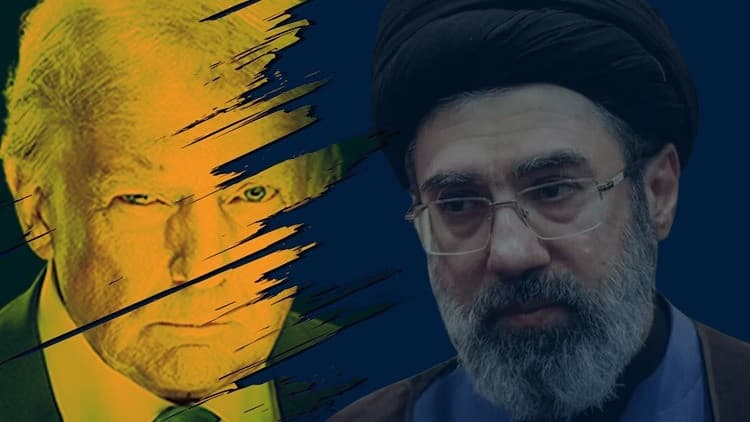
In recent days, rising tensions in the Middle East reached a critical turning point following harsh threats from US President Donald Trump towards Iran. Iranian leader Ayatollah Mojtaba Khamenei's instruction to the negotiation team to ceasefire temporarily lowered tensions in the region. This decision took place in an environment where intense diplomatic traffic occurred between the US, Israel, and regional actors.
According to Axios and other sources, Khamenei's instruction was considered a 'game changer' in Washington and Tel Aviv. While the US Central Command and Pentagon were preparing for possible large-scale bombardment, they were awaiting the final decision from the White House. US forces stationed in the region were put on high alert, while civilians in Iran took precautions against possible attacks.
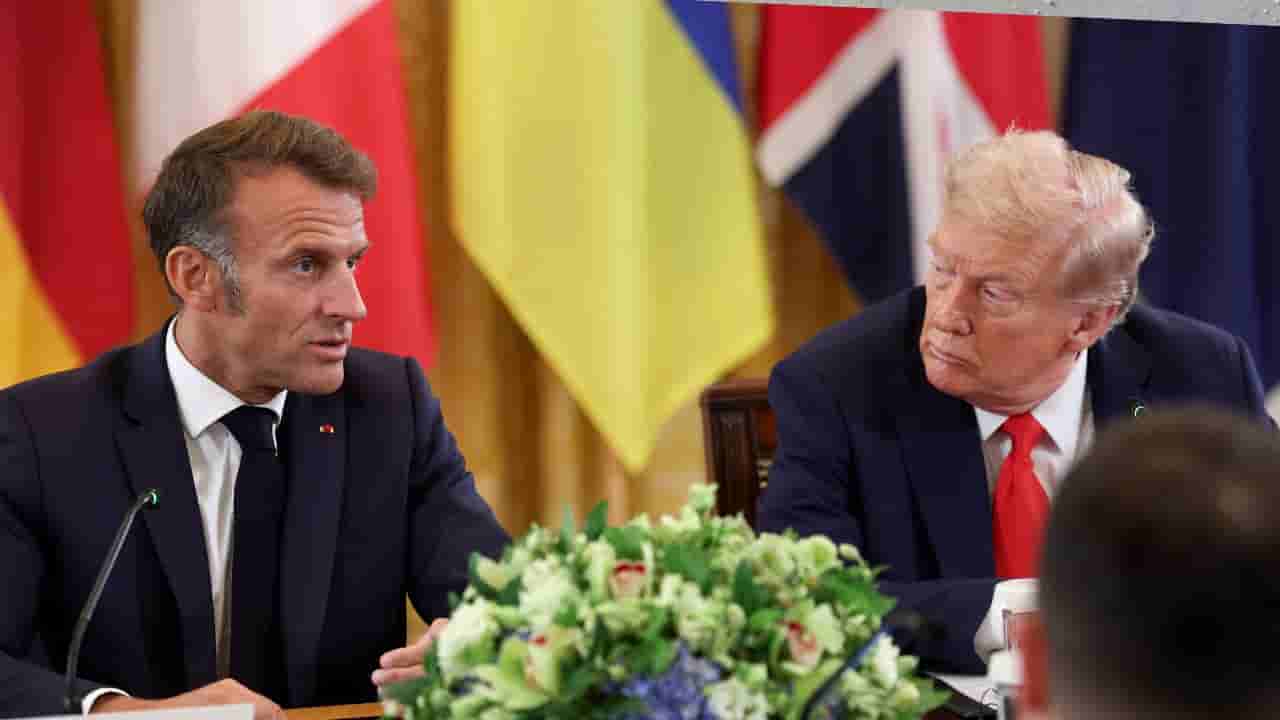
Countries like Pakistan, Egypt, and Turkey took on a mediation role in the diplomatic process. Hardliners within the Iranian Revolutionary Guards were also being persuaded to agree. It is reported that China also proposed an exit route to Tehran. However, US President Trump's harsh statements increased tensions rather than reducing them; Trump said, "A civilization will cease to exist tonight."
The ceasefire decision was approved at the last moment after Trump's talks with Israeli Prime Minister Netanyahu and contact with the Pakistani Chief of General Staff. Following these developments, US forces were ordered to withdraw. Dr. Serhan Afacan, Head of the Iran Research Center, stated that some rumors continue due to Khamenei's health condition and his absence from public view, but these claims have not been confirmed.
In conclusion, this temporary ceasefire in the Middle East emerged as a result of intense and complex diplomatic traffic. However, uncertainties in the region and harsh statements from the parties show that the fragility of the process remains.