- BIST10011,843+1.51%
- USD50.28+0.05%
- EUR55.60-0.24%
- GOLD3,891.00+0.12%
- INTEREST36.00%-1.00
- BITCOIN64,945-0.57%
- November 16, 202611°
- BIST10011,843+1.51%
- USD50.28+0.05%
- EUR55.60-0.24%
- GOLD3,891.00+0.12%
- INTEREST36.00%-1.00
- BITCOIN64,945-0.57%
- November 16, 202611°
COP31 Insurance House unveils ‘From vulnerability to insurability’ report for first time
The new report from the Principles for Sustainable Insurance initiative was unveiled at the Global Sustainable Insurance Summit, organized in cooperation with the Insurance Association of Türkiye and UNEP FI. Butch Bacani, UNEP’s head of insurance, said many sectors are unprepared for major climate-related events.


The COP31 Global Sustainable Insurance Summit, organized in cooperation with the UN Environment Programme Finance Initiative (UNEP FI), is continuing at the Insurance House established by the Insurance Association of Türkiye (TSB) in Antalya as part of the COP31 climate summit. The summit saw the first presentation of the “From Vulnerability to Insurability” report prepared by the Principles for Sustainable Insurance (PSI), a cooperation initiative between the UN and the global insurance sector.
Presenting the report on behalf of PSI, Butch Bacani, head of insurance at the UN Environment Programme (UNEP), said they had prepared it as part of the COP31 action agenda and stated: “For the first time, I will be presenting the launch of a technical report, or policy paper. You could also call it our action agenda or plan.”
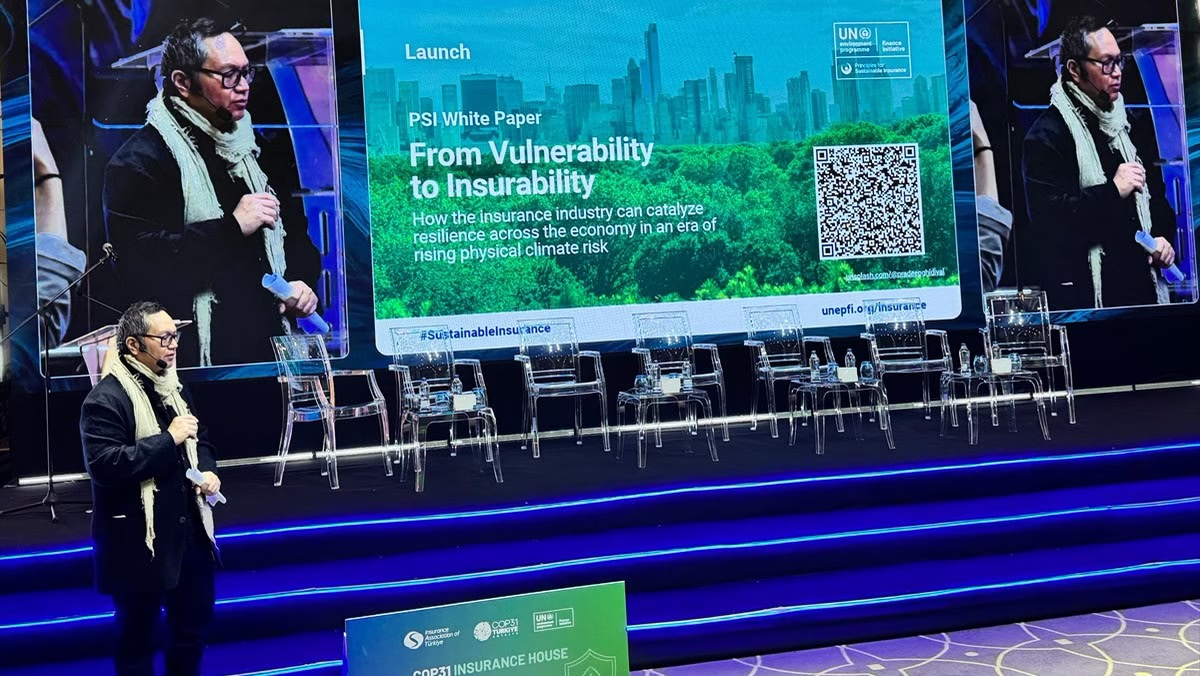
“Industrial sectors are becoming increasingly vulnerable”
Emphasizing that emissions reductions and adaptation to physical impacts must be pursued together in the fight against climate change, Bacani said: “It cannot be one or the other; it has to be both.” He said the study showed that many sectors are unprepared for significant climate-related events, adding: “This is an indication that industrial sectors around the world are becoming increasingly vulnerable to climate-related hazards.”
According to the report, companies more exposed to physical climate risks are also facing higher premiums on their cost of capital. Bacani said strengthening resilience could reduce the cost of capital, while vulnerability to risks could impose a premium cost on companies. Referring to the effects of climate risks in Europe and particularly in developing economies, Bacani said economic losses and insurance protection gaps were also driving up insurance costs in high-income countries.
The resilience cycle
Explaining the “resilience-building cycle” examined in the report, Bacani said insurance identifies the adaptation strategy a community or business needs in order to become resilient. He said that as resilience increases, an asset’s insurability rises, making it eligible for financing by banks and investment, and noted that the cycle can also work in reverse: “We want this cycle to work in this way.”
Bacani said they aimed to create an action agenda involving all segments of society to strengthen resilience across the economy through the recommendations in the report. He said policymakers, households, banks, insurance companies, businesses and development finance institutions could contribute to this effort.
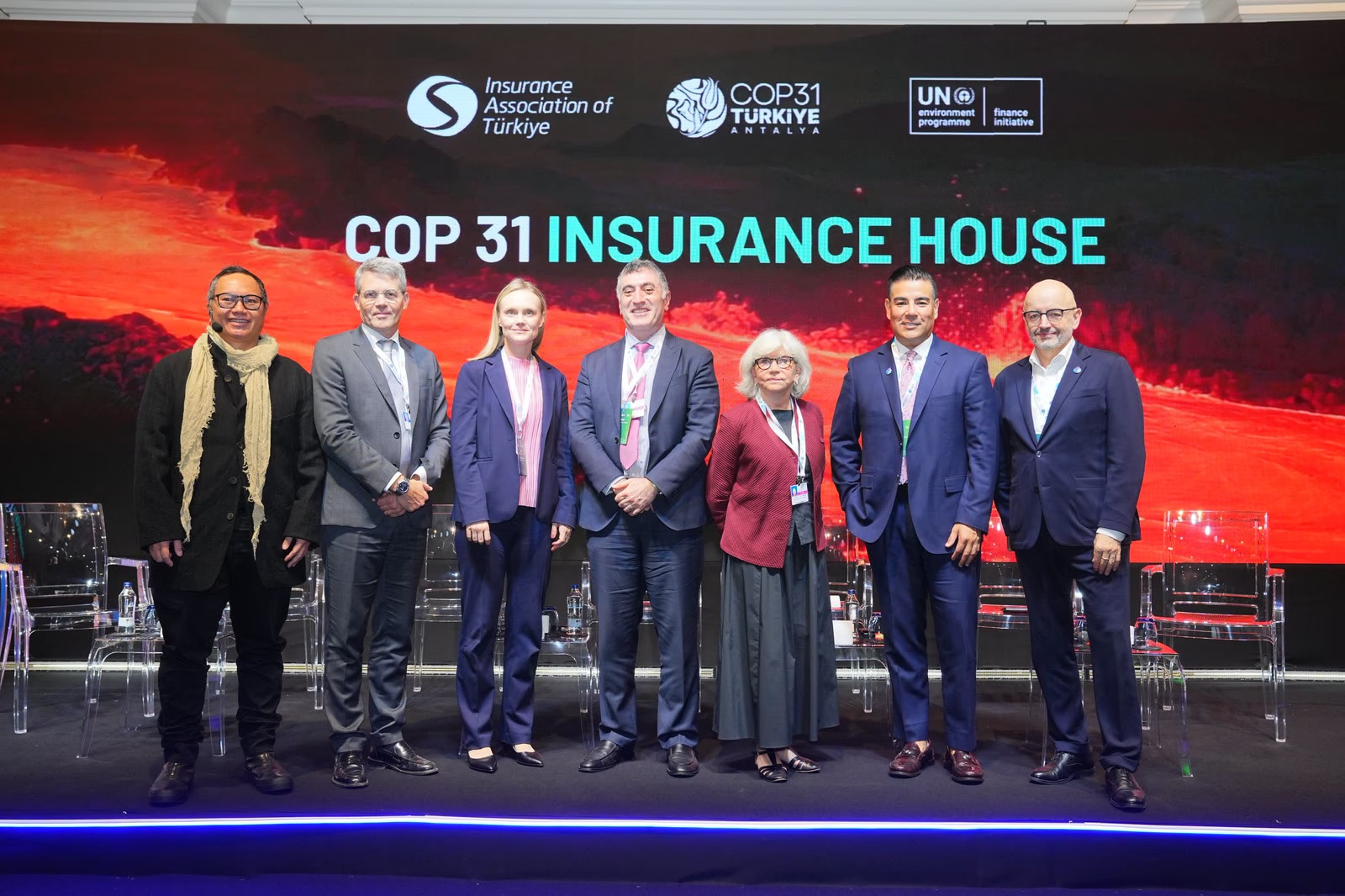
At the summit’s panel titled “Mobilizing Climate Resilience Across the Economy,” Peter Bakker, CEO of the World Business Council for Sustainable Development (WBCSD), said research showed that 47 percent of company executives had reported climate-related financial losses, while only 15 percent had an adaptation plan for climate change. Representatives of Zurich Insurance Group, UNEP FI and the California Department of Insurance also spoke on the panel.
The “COP31 Global Sustainable Insurance Summit” at the Insurance House will end tomorrow.
Photos: Anadolu Agency, Insurance Association of Türkiye
Have a story, event or announcement of your own?Send us your news on WhatsApp
Spotted an error in this story?Report it on WhatsApp
Share on all social platforms
Sponsored Ads
Featured Listings
Loading featured properties...
Stay Updated with The Turkiye Times
Subscribe to be informed about special news, developments and announcements. We will keep you informed.
By signing up, you agree to our Privacy Policy