- BIST10011,843+1.51%
- USD50.28+0.05%
- EUR55.60-0.24%
- GOLD3,891.00+0.12%
- INTEREST36.00%-1.00
- BITCOIN64,945-0.57%
- November 16, 202611°
- BIST10011,843+1.51%
- USD50.28+0.05%
- EUR55.60-0.24%
- GOLD3,891.00+0.12%
- INTEREST36.00%-1.00
- BITCOIN64,945-0.57%
- November 16, 202611°
WHO praises Türkiye for putting health on climate agenda for first time
Dr. Adham Ismail, WHO Director of Programme Management and Responsible Officer, said COP31 could be a starting point for tackling climate-related health problems. Ismail stressed that it is no longer possible to wait for perfect data to take action.

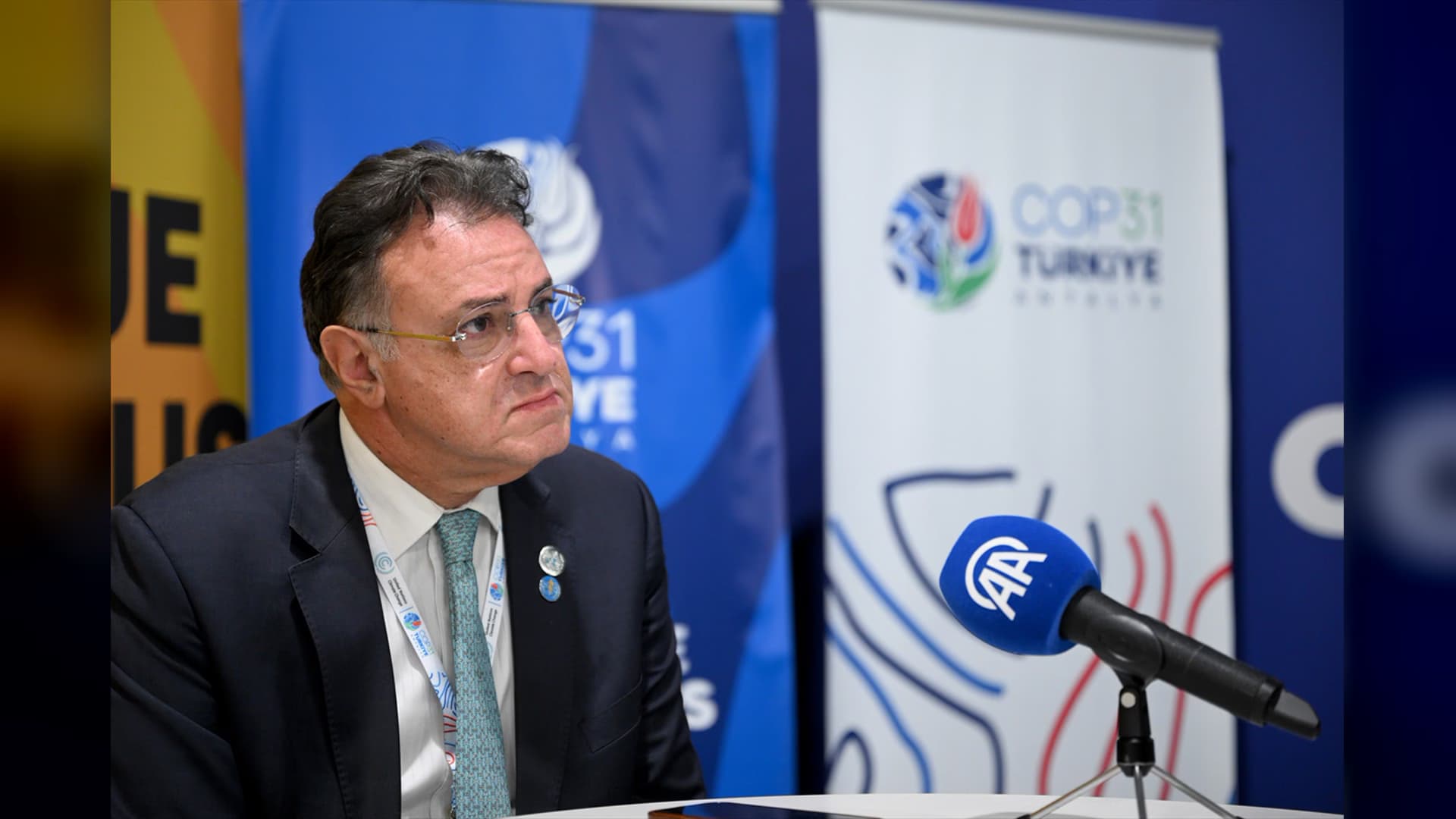
Dr. Adham Ismail, WHO Director of Programme Management and Responsible Officer, said the 31st Conference of the Parties to the UN Framework Convention on Climate Change (COP31), held in Antalya, could be an important starting point for strengthening cooperation to address the effects of climate change on health systems.
Speaking to Anadolu Agency, Ismail praised host Türkiye: "I would like to express my great appreciation to Türkiye because, for the first time since the first COP, Türkiye has made health part of the climate change agenda and brought the issue of how we can address the effects of climate change to the forefront. This is something we at WHO truly appreciate."
"We cannot wait for perfect data"
Explaining that he had personally observed the effects of climate change on countries in the region during his work in WHO's Eastern Mediterranean Region, Ismail noted that climate change is one of the factors behind infectious and noncommunicable diseases. He said changes in heatwaves, sandstorms and water scarcity were also altering the epidemiological profile of diseases. "We are increasingly seeing diseases that we thought had disappeared from our region re-emerge, and we can no longer wait for perfect data to take action," he said.
Recalling that COP31's theme was "taking action immediately," Ismail said they were awaiting experts' recommendations on how national adaptation plans should be developed in each country in the region, because every country's circumstances were different.
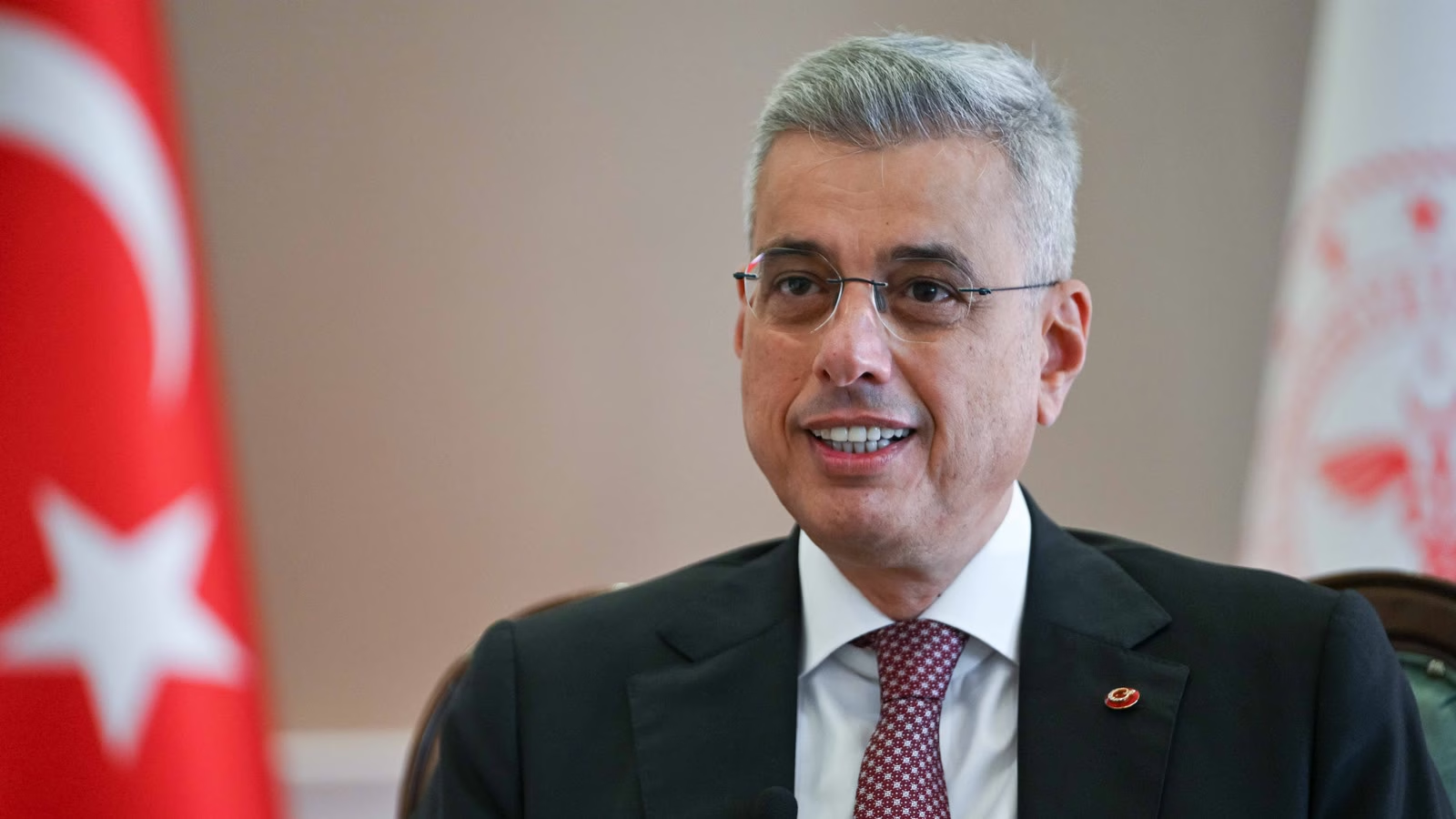
Health Minister Kemal Memişoğlu had also announced before the conference that health was included as a standalone area of action under Türkiye's presidency, marking a first in COP history.
New initiative for health launched in Antalya
As COP31 presidency, Türkiye launched the Antalya Initiative for Health Resilience (AIR). According to a WHO statement, the initiative will contribute to developing climate-resilient health systems by strengthening the sharing of experience among countries. Its coordination and technical support will be provided through the Alliance for Transformative Action on Climate and Health (ATACH), led by WHO.
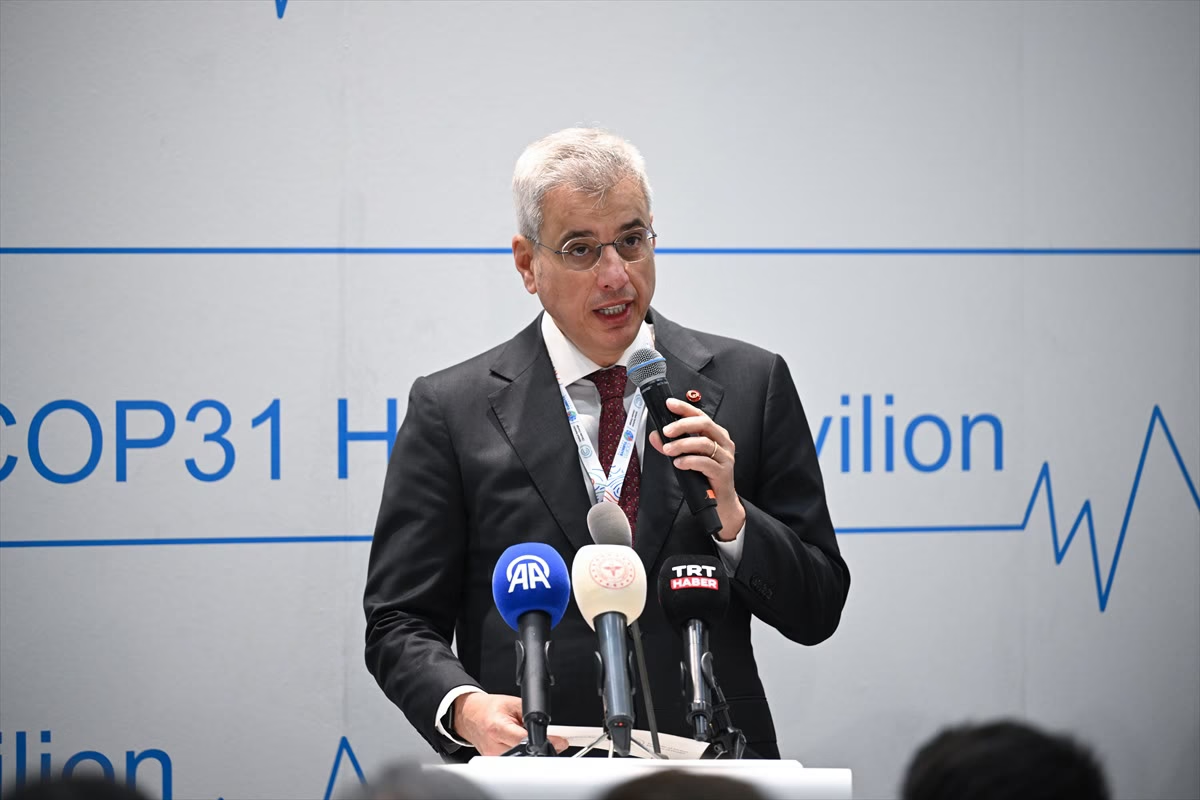
Speaking at ATACH Day, held at the WHO Health Pavilion at the conference venue, Memişoğlu said they considered AIR one of the most important tangible contributions of the COP31 presidency.
Ismail stressed the need for more sustainable resources to make health systems more resilient to climate shocks and finance national action plans. He said Jordan, Morocco and Tunisia had begun taking steps in this area, while Somalia and Iraq were also on the way. "The COP31 meeting held under Türkiye's leadership could be a starting point for addressing all the issues we have discussed," Ismail said.
Photos: Anadolu Agency
Stay Updated with The Turkiye Times
Subscribe to be informed about special news, developments and announcements. We will keep you informed.
By signing up, you agree to our Privacy Policy