- BIST10011,843+1.51%
- USD50.28+0.05%
- EUR55.60-0.24%
- GOLD3,888.90+0.07%
- INTEREST36.00%-1.00
- BITCOIN64,771-0.83%
- November 16, 202611°
- BIST10011,843+1.51%
- USD50.28+0.05%
- EUR55.60-0.24%
- GOLD3,888.90+0.07%
- INTEREST36.00%-1.00
- BITCOIN64,771-0.83%
- November 16, 202611°
Malaysia chooses Türkiye over Norway for LCS anti-ship missiles
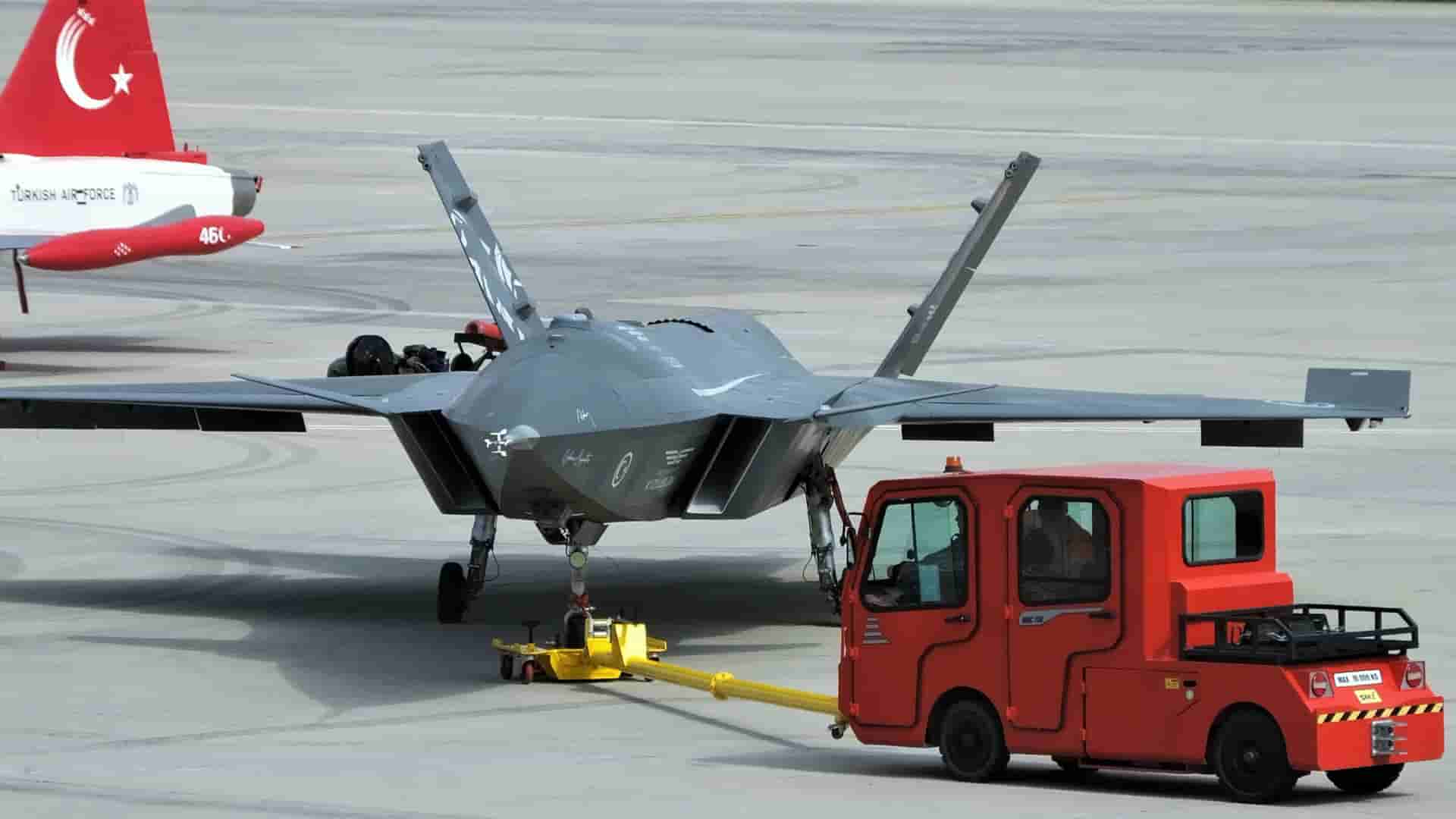
Malaysian Defence Minister Mohamed Khaled Nordin said Türkiye was the best option to replace the NSM missiles for which Norway had not granted an export licence. Malaysian media and defence publications wrote that the missile in question was ROKETSAN-produced ATMACA.


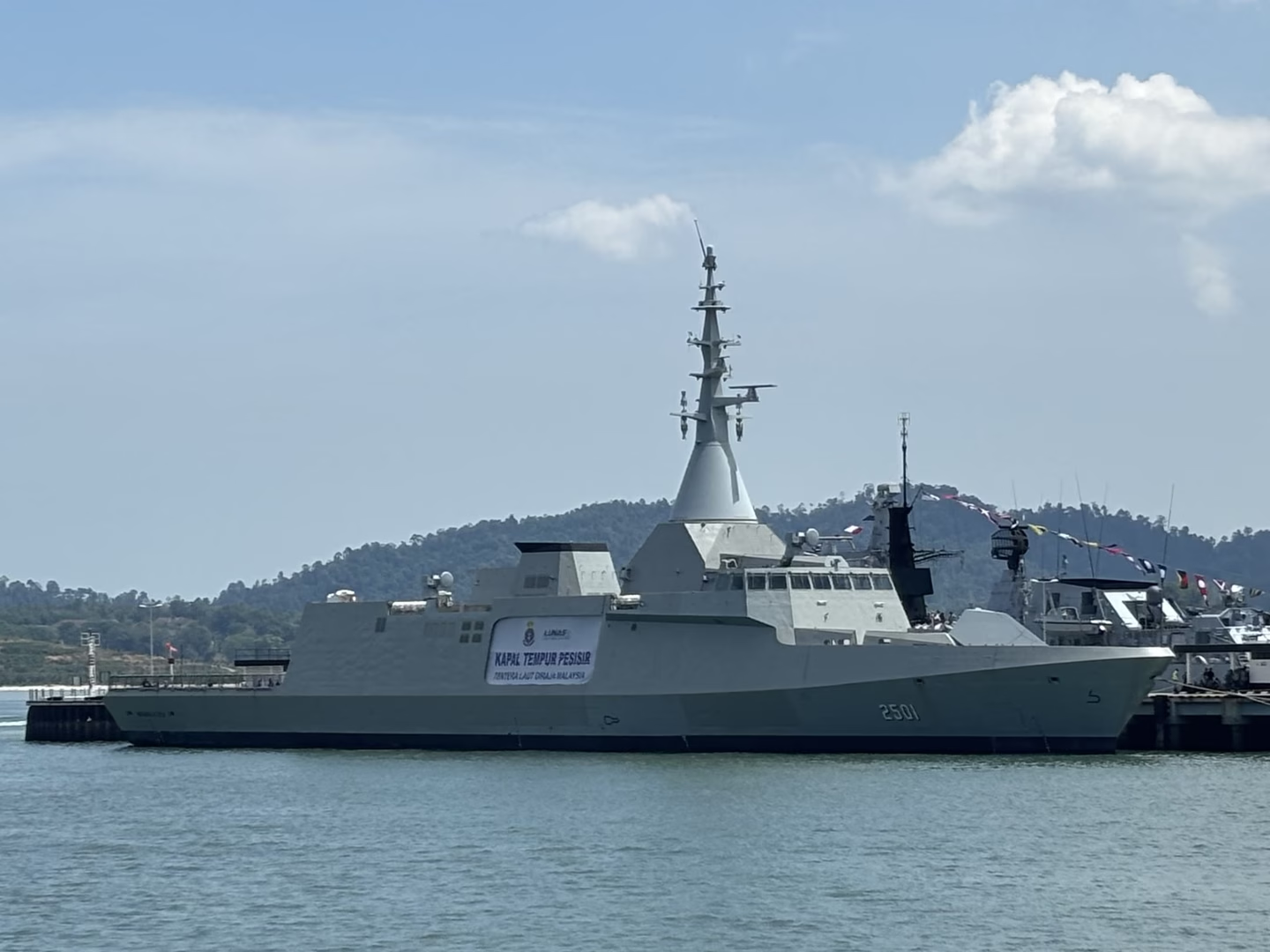
Malaysia has chosen to procure anti-ship missiles from Türkiye instead of Norwegian-made Naval Strike Missiles (NSM) for vessels in the Royal Malaysian Navy's Littoral Combat Ship (LCS) project.
Malaysian Defence Minister Datuk Seri Mohamed Khaled Nordin told journalists on Nov. 12, after the Defence Ministry's 2026 Innovation Day event in Kuala Lumpur, that bids from Türkiye, France and Italy had been assessed based on price, delivery schedules and upfront costs. Bernama, Malaysia's official news agency, quoted Khaled as saying: "We have conducted our assessment and reached the stage of determining that Türkiye is the best country from which we can procure an alternative to our missile. We will begin negotiations with the Turkish side to finalise the matter."

The minister said they had received assurances regarding the missile's compatibility and integration with the ships' systems, adding that this issue would be examined in detail during negotiations with the Turkish company. Khaled did not name the missile in his statement; Malaysian media and defence publications, including the New Straits Times, wrote that the system was the ROKETSAN-produced ATMACA anti-ship missile.
Existing order could accelerate deliveries
Khaled said the missile to be procured from Türkiye was the same type as the system Malaysia had already ordered for its Littoral Mission Ship Batch 2 (LMS Batch 2) vessels. According to the minister's remarks, some missiles could therefore be delivered earlier, with initial deliveries possible as early as 2028 or 2029. Bernama quoted Khaled as also saying that the surface-to-surface missile had a range of 240 kilometres and was more effective than competing missiles.
On costs, Khaled said purchasing new missiles from scratch could cost 700 million, 800 million or 900 million ringgit. He said existing contracts meant that the full amount would not have to be paid and that spending would largely be limited to installing launchers and integrating the systems.
Arbitration route with Norway
Malaysia ordered NSM missiles for its Maharaja Lela-class LCS vessels from Norwegian company Kongsberg in 2018. However, the project reached an impasse after the Norwegian government failed to grant the required export licence, and Malaysia accepted that it would not receive the missiles despite making the payment.
Khaled said initial negotiations with the Norwegian side had yielded no result and that a Dispute Resolution Committee would now be established between the parties under the contract. The minister said: "If this process also fails, Malaysia will resort to arbitration in Kuala Lumpur under the NSM procurement contract." He stressed that the country had begun seeking alternatives without waiting for the process to conclude, so that its defence needs would not be disrupted.
Photos: Presidency of Defence Industries, Bernama, Hiroki.loh.st/Wikimedia Commons
Stay Updated with The Turkiye Times
Subscribe to be informed about special news, developments and announcements. We will keep you informed.
By signing up, you agree to our Privacy Policy