- BIST10011,131-3.02%
- USD50.47+0.05%
- EUR55.46+0.20%
- GOLD3,515.60-4.61%
- INTEREST36.00%-1.00
- BITCOIN58,766-5.07%
- November 20, 202617°
- BIST10011,131-3.02%
- USD50.47+0.05%
- EUR55.46+0.20%
- GOLD3,515.60-4.61%
- INTEREST36.00%-1.00
- BITCOIN58,766-5.07%
- November 20, 202617°
COP31 Presidency spotlights Mediterranean with Antalya Ocean and Seas Pact
The COP31 Presidency presented the Antalya Ocean and Seas Pact, which aims to accelerate ocean-based climate action through stronger partnerships and easier access to finance. The text describes the Mediterranean as a climate change hotspot and emphasizes that only a small share of climate finance reaches the seas.


At COP31, the UN Climate Change Conference being held in Antalya under Türkiye's hosting, the Antalya Ocean and Seas Pact presented by the COP31 Presidency came to the fore as the conference entered its ninth day dedicated to oceans and seas. Presented on November 16, the text aims to accelerate ocean-based climate action through stronger partnerships and easier access to finance.
The pact does not impose any new obligations or mechanisms on countries; instead, it seeks to connect existing initiatives under the UN Framework Convention on Climate Change and the Paris Agreement. The text draws on the views of the parties as well as a series of meetings known as the “Blue Network”: the Istanbul Ocean and Seas Workshop, the Trabzon High-Level Event, the Ocean Solutions Dialogue during the high-level week of the UN General Assembly, and the Pacific Pre-COP meetings in Tuvalu and Fiji.
“The Mediterranean is a climate change hotspot”
The text emphasizes that COP31, as the first UN climate conference held on the Mediterranean coast, has drawn attention to the region's challenges. It notes that heatwaves, wildfires, drought and floods in the Mediterranean threaten food security, biodiversity, coastal resilience and livelihoods. The pact recognizes the Climate Change Regional Activity Centre (CC/RAC), established in Istanbul under the UNEP Mediterranean Action Plan and the Barcelona Convention framework, as an important contribution by Türkiye to regional cooperation.
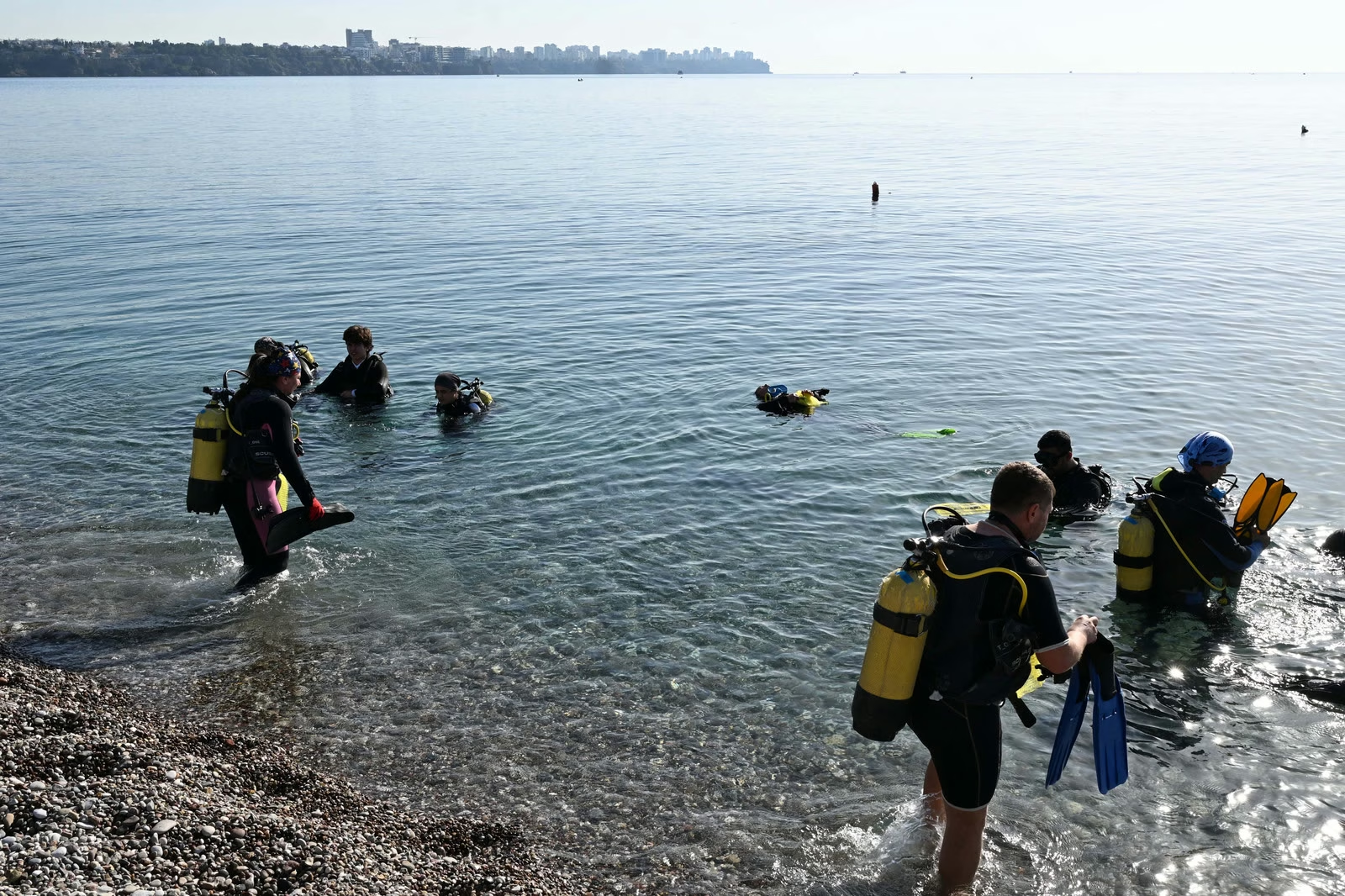
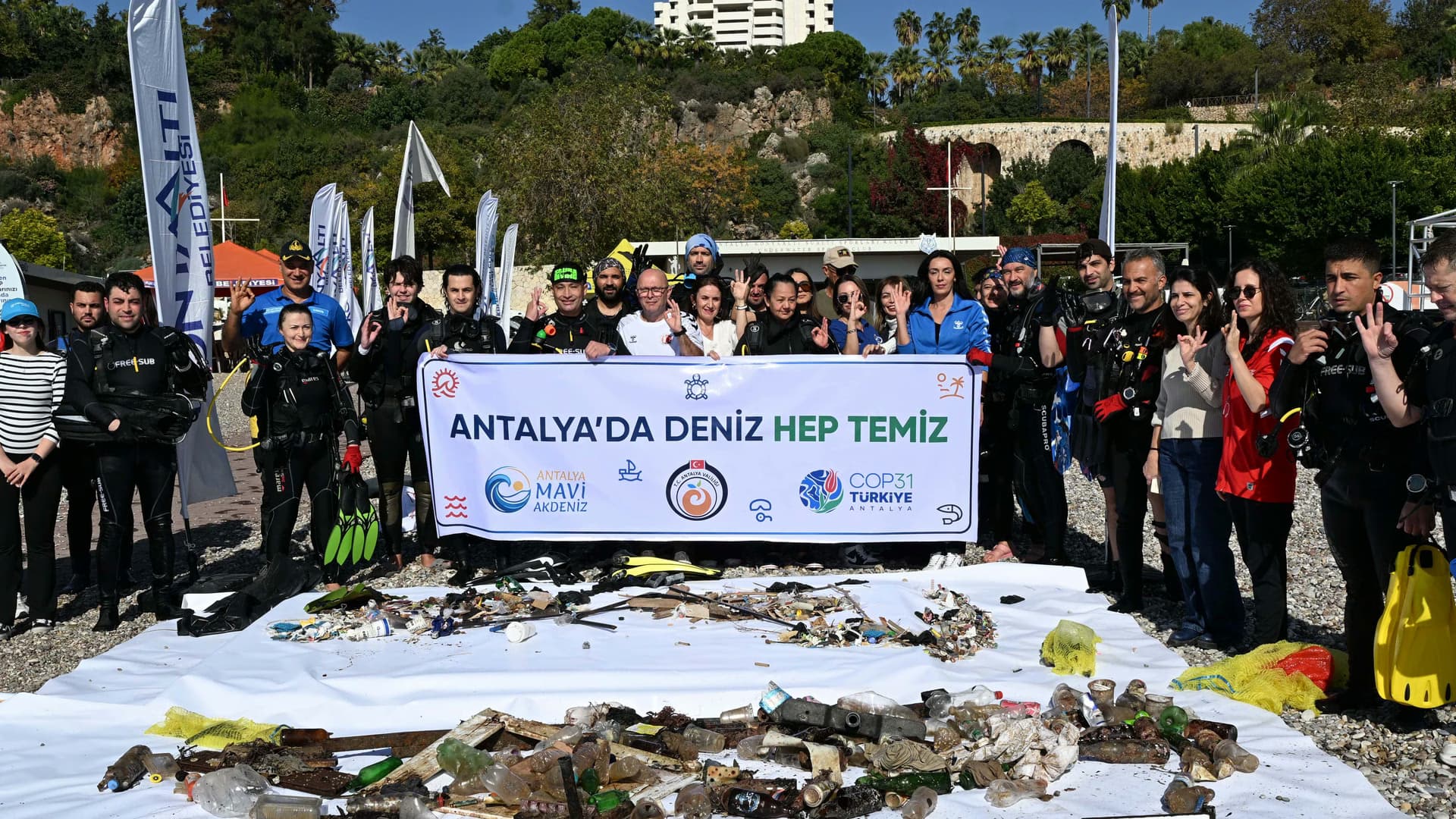
As part of the conference, seabed and coastal cleanups were also carried out on Antalya's Konyaaltı beach under the slogan “The Sea in Antalya Is Always Clean”; volunteer divers and children collected 150 kilograms of waste in about two hours.
From seagrass meadows to the blue economy
The pact draws attention to the threats posed by marine pollution, ocean warming, acidification, oxygen loss and rising sea levels, particularly to small developing island states and low-lying coastal areas. Parties are invited to protect and restore mangrove forests, seagrass meadows, coastal wetlands and coral reefs; pursue the “30x30” target of protecting at least 30 percent of coastal and marine areas by 2030; and advance a sustainable blue economy. Reflecting ocean-related targets in nationally determined contributions (NDCs) and national adaptation plans is also encouraged.
The text underlines that only a limited share of climate finance reaches ocean-related priorities. It calls for grants, concessional finance and guarantees to be connected with local solutions that benefit coastal communities. The Climate Implementation Bridge, developed by the COP31 Presidency with the UNDP, is also cited as one of the tools for these partnerships.
The Ocean Day programme includes the launch of the Marine Litter Action Platform in the Blue Zone, the Blue Ministers' Event organized by the COP31 Presidency and Australia, and the Mediterranean Ministerial Roundtable in the evening.
Cover image and source: COP31 Türkiye. Photo: Anadolu Agency.
Stay Updated with The Turkiye Times
Subscribe to be informed about special news, developments and announcements. We will keep you informed.
By signing up, you agree to our Privacy Policy