- BIST10011,131-3.02%
- USD50.47+0.05%
- EUR55.46+0.20%
- GOLD3,515.60-4.61%
- INTEREST36.00%-1.00
- BITCOIN58,766-5.07%
- November 20, 202617°
- BIST10011,131-3.02%
- USD50.47+0.05%
- EUR55.46+0.20%
- GOLD3,515.60-4.61%
- INTEREST36.00%-1.00
- BITCOIN58,766-5.07%
- November 20, 202617°
At COP31, discarded peels become 23 flavors in a zero-waste kitchen
At the Zero Waste Kitchen in COP31’s Green Zone, materials that could have ended up in the trash—from fruit and vegetable peels to fish scraps—are being turned into 23 different products. The menu includes quince-peel sherbet, fish patties and pumpkin marmalade.


The Zero Waste Kitchen, established in the Green Zone of COP31, the UN Climate Change Conference taking place in Antalya under Türkiye’s hosting, offers a practical example of combating food waste. In the “7 Regions, 7 Kitchens” area, 23 products prepared with materials that would normally be discarded are adding flavor to dishes at five restaurants and an exhibition area established by the Zero Waste Foundation.
Excess ingredients that would otherwise be thrown away are being reused in different ways in the kitchen. Quince-peel sherbet, fish patties, candied citrus peel, green leek aromatic oil, orange-peel jam, celery vegetable stock and pumpkin marmalade are among these products. This reduces kitchen waste to zero while offering visitors different flavors.
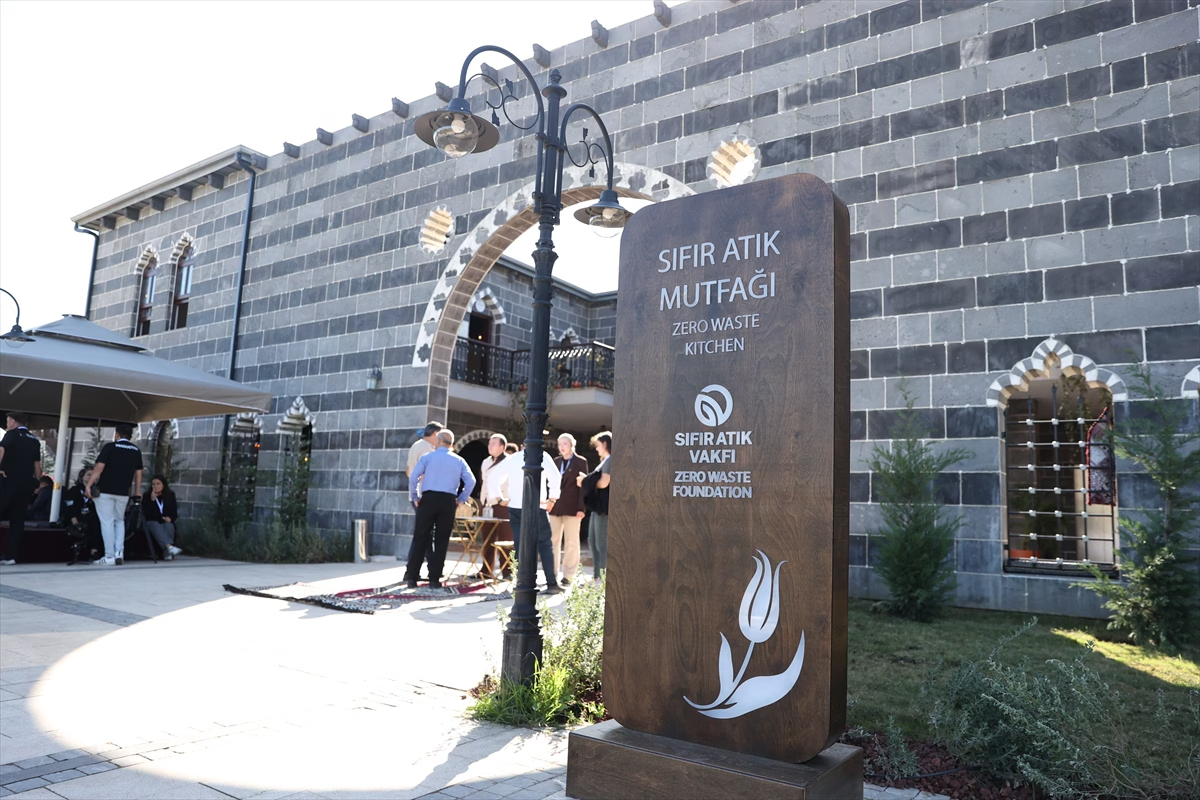
The importance of zero waste is also explained to local and foreign participants through brochures. The kitchen has become one of the conference’s busiest destinations.
“We make use of everything that can be used”
Tusem Filiz, one of the project coordinators of the Zero Waste Kitchen, said they identify in advance the byproducts that may emerge while creating the menus and recipes and return them to the kitchen cycle before they become waste. Filiz said, “We use the outer part of the pumpkin, the sections that would normally be thrown away. We also turn the purée obtained from the inner part into pumpkin marmalade and add it back to our menus. We make use of everything that can be used.”
Fish patties are another example of this approach. After the fish is filleted, the remaining parts are cleaned, turned into patty mixture and served to guests at the restaurant. Aromatic oil is made from the stems of herbs used in preparing tomato paste; the oil is used to add flavor to dishes such as yogurt.
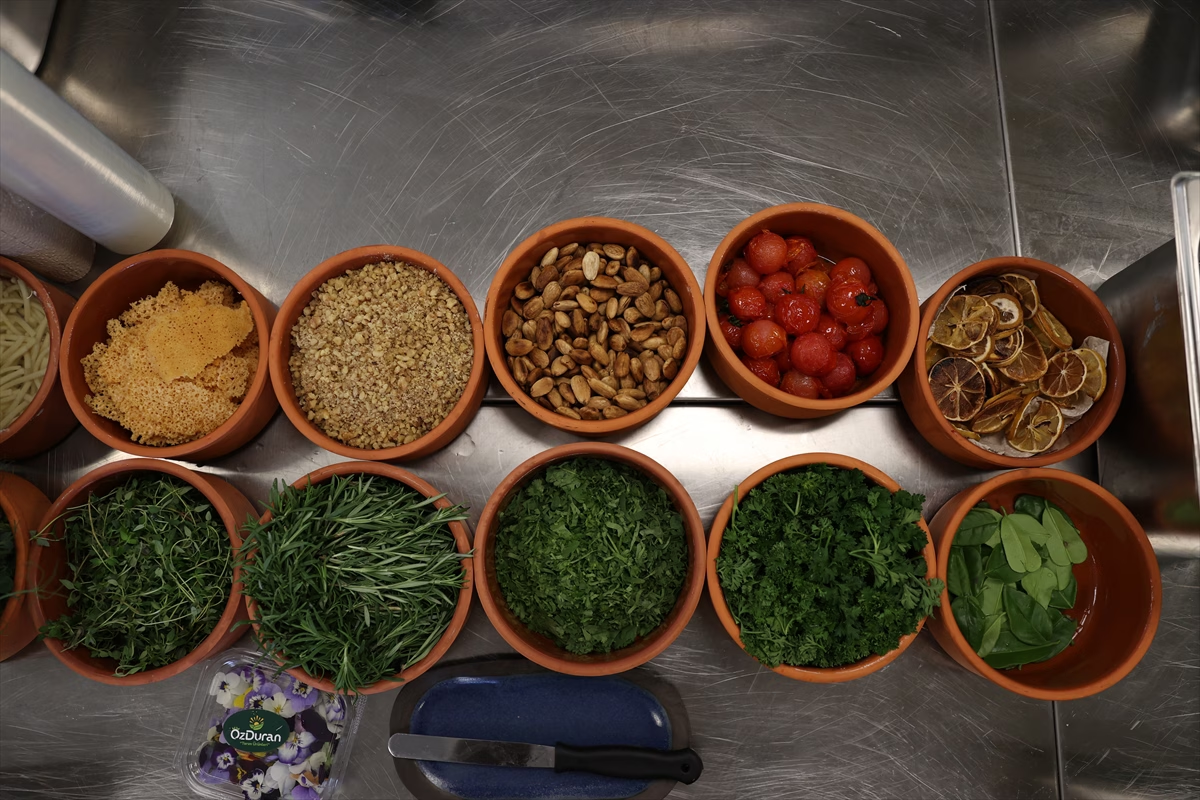
Filiz said visitors have shown strong interest in the practices, adding, “Participants are happy when they enter our kitchen. They try new products and new flavors. In this sense, we also inspire the participants.”
COP31 is implementing zero-waste practices not only in the kitchen but throughout the conference grounds. In the Blue and Green Zones, approximately 100 tons of waste collected during the first five days had been separated for recycling at a rate of 80 percent, while food waste had been turned into compost and animal feed.
Photos and source: Anadolu Agency.
Stay Updated with The Turkiye Times
Subscribe to be informed about special news, developments and announcements. We will keep you informed.
By signing up, you agree to our Privacy Policy