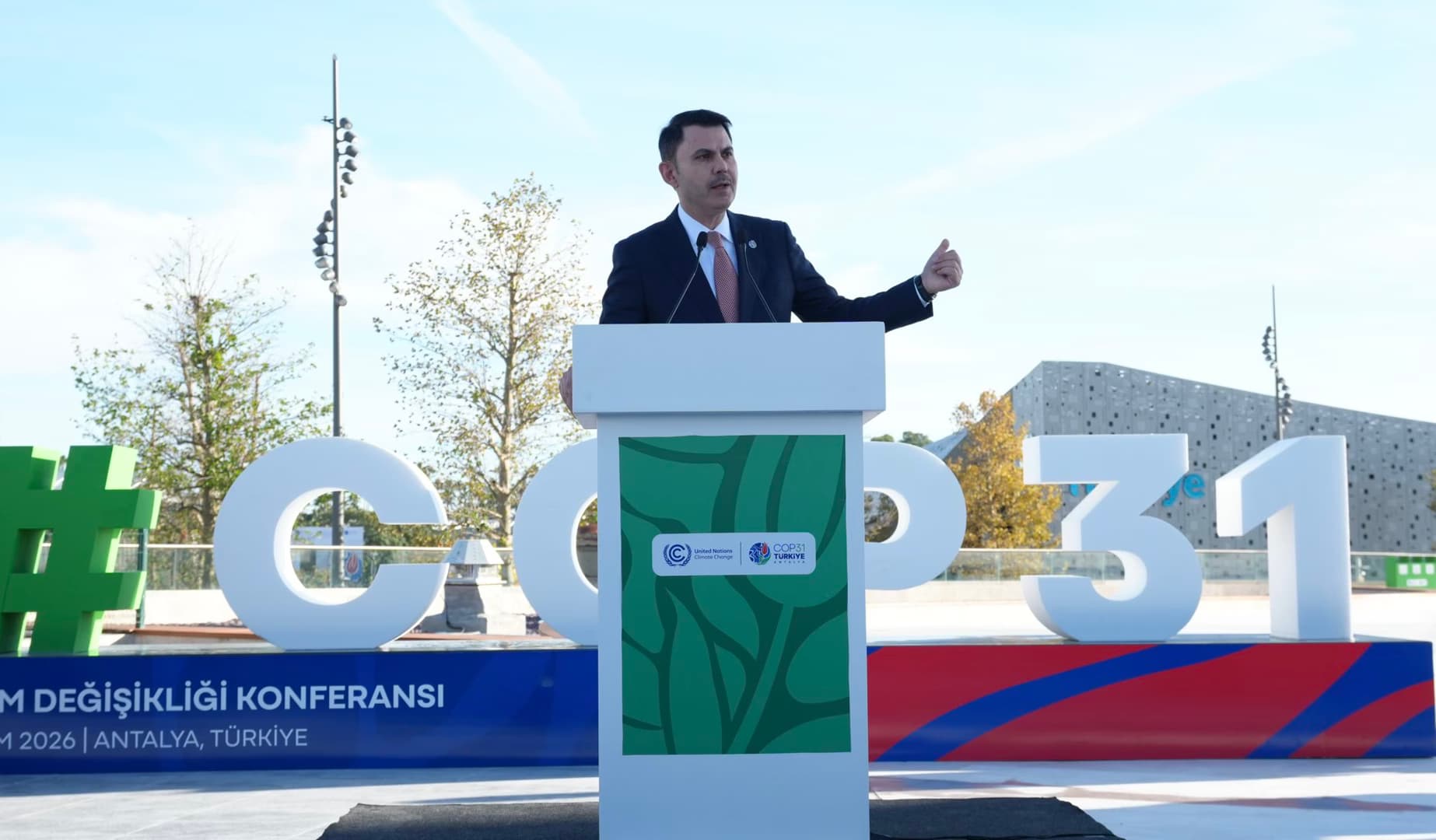
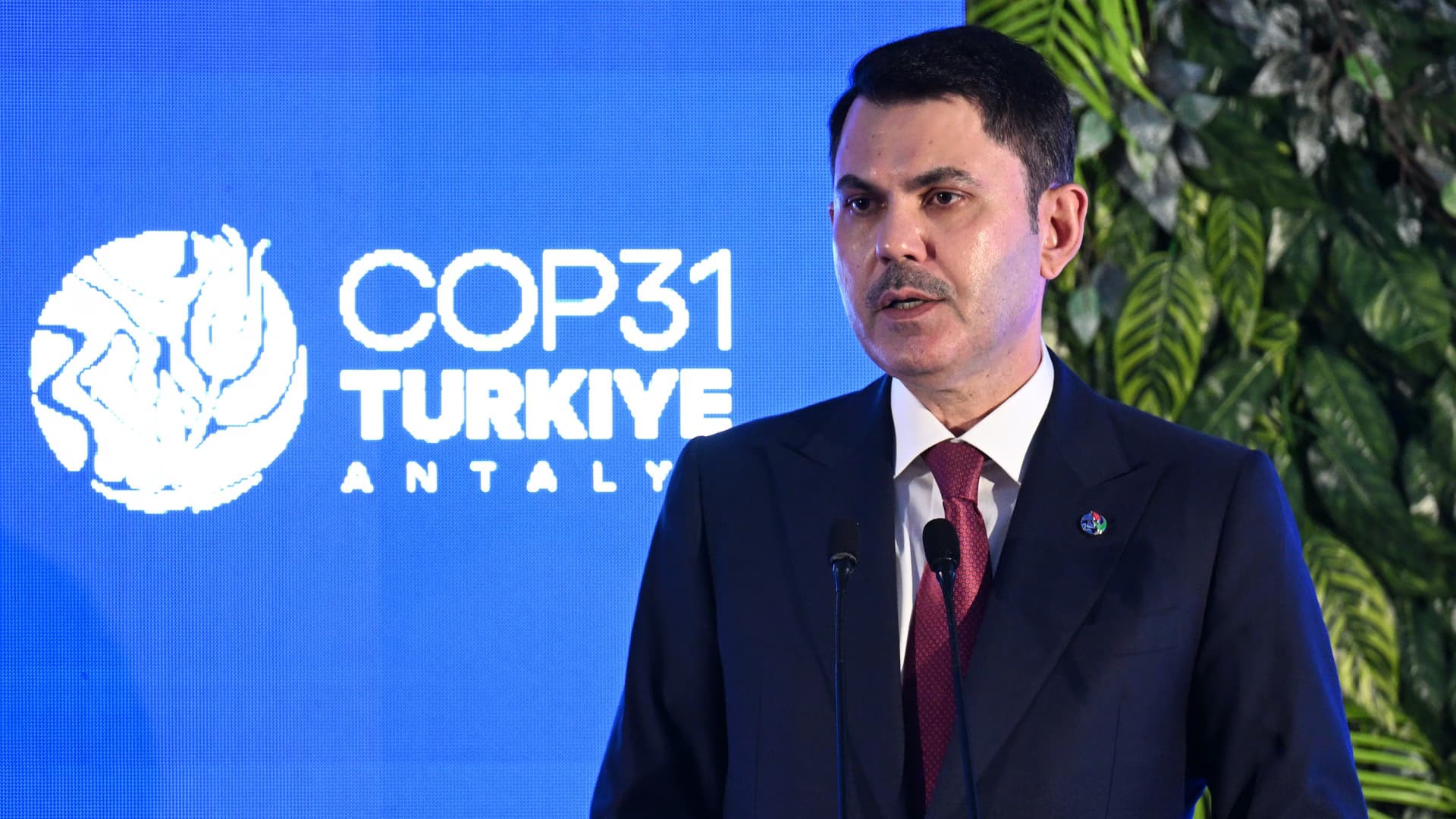
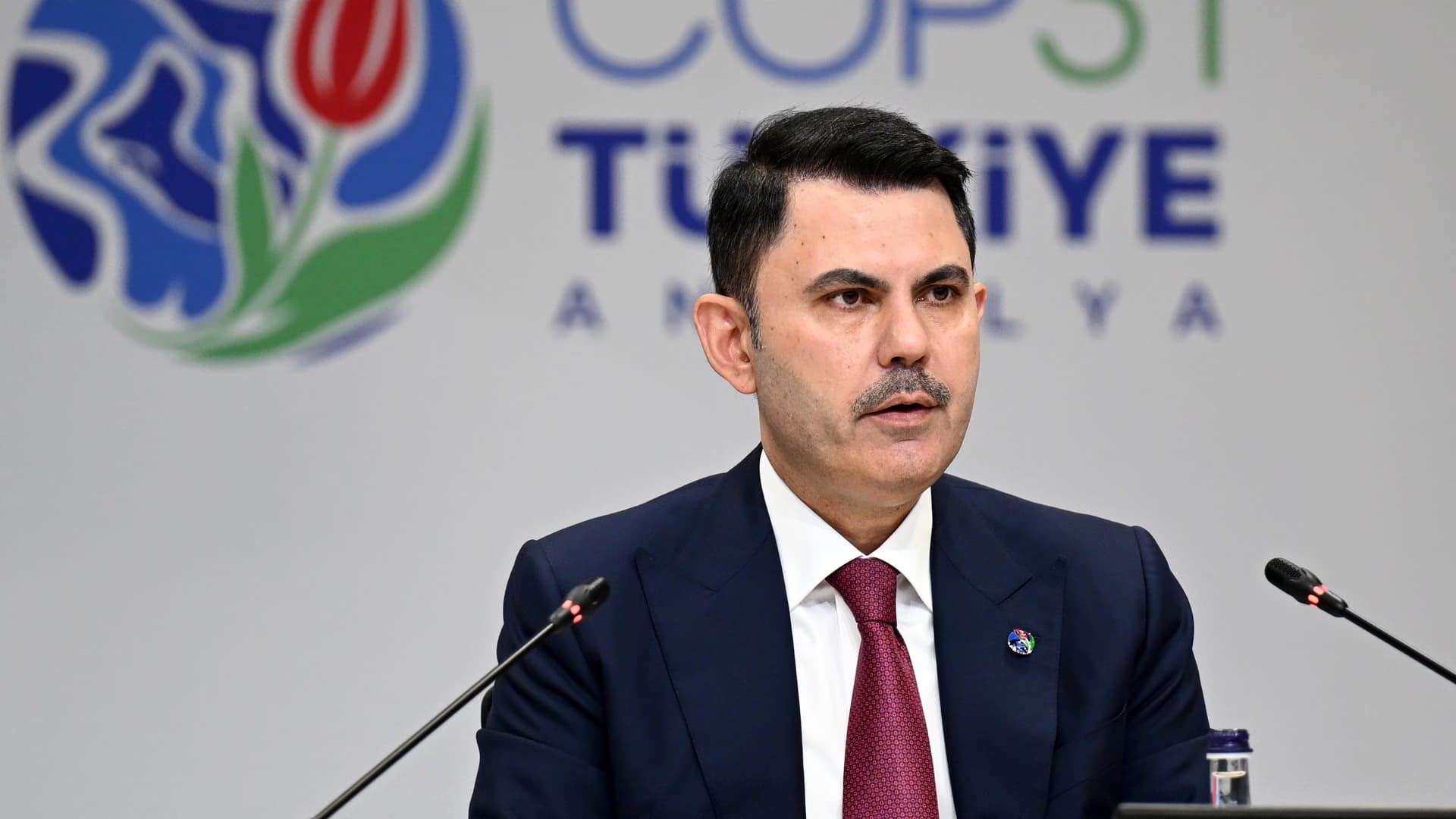
Changes in the Mediterranean ecosystem were discussed at COP31 in Antalya. Prof. Dr. Mehmet Gökoğlu, a faculty member at Akdeniz University’s Faculty of Fisheries, shared three scientific papers with participants on the identification of new exotic fish species in Antalya Bay, the loss of coastal seagrass meadows in the warming eastern Mediterranean and the spread of invasive green seaweed.
“COP31 is a promising event for the future of our seas. We are pleased because, for the first time, the seas are being approached in this way on a global scale,” Gökoğlu said.
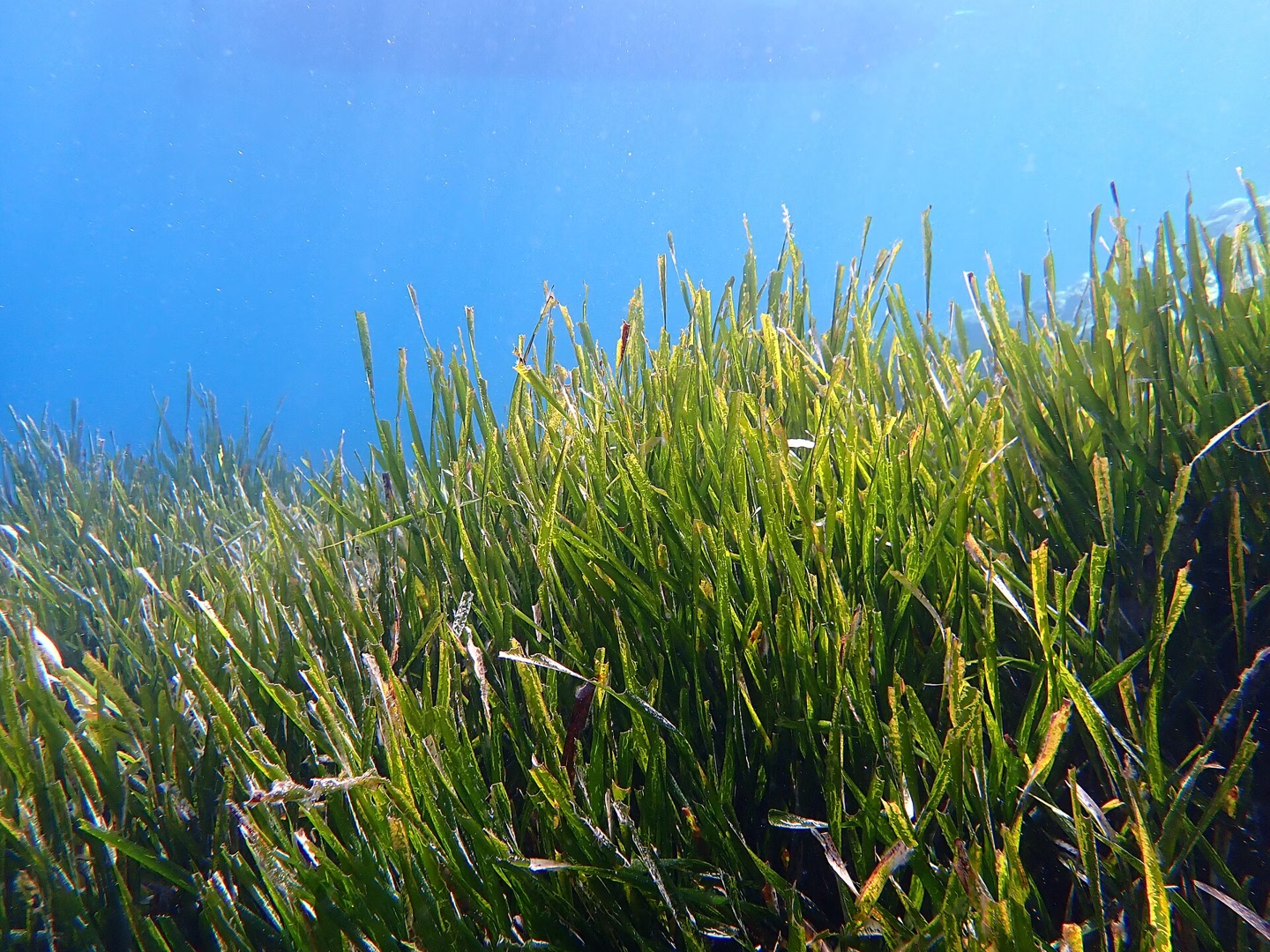
“The Amazon forests of the Mediterranean”
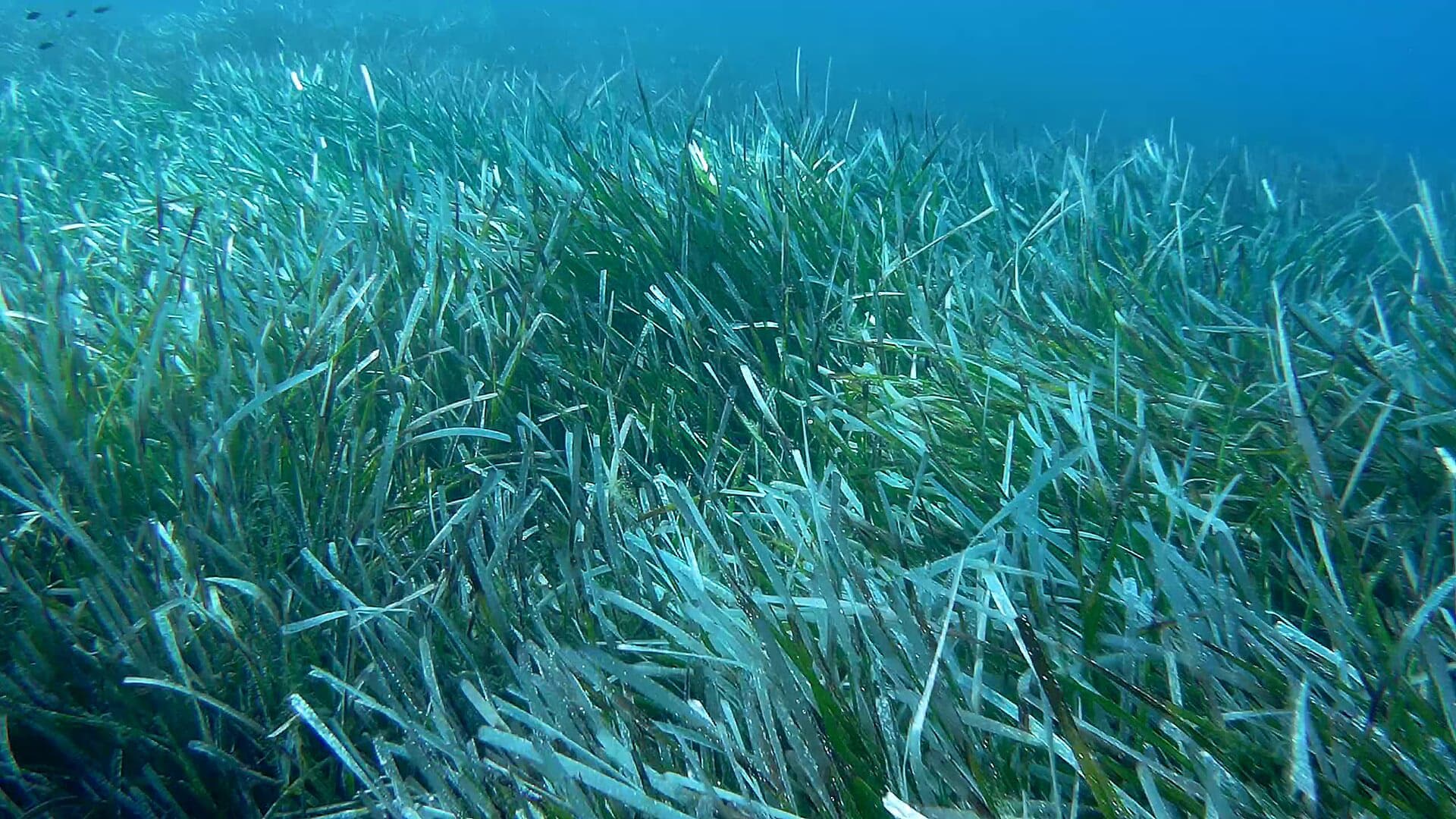
Gökoğlu said Posidonia meadows, described as the “lungs of the Mediterranean,” produce oxygen, absorb carbon and provide shelter for numerous marine creatures. He said deaths were increasing, particularly in meadows in shallow waters, because of coastal construction, pollution and rising seawater temperatures. He added that deaths had also begun between Side and Köprüçayı, where the meadows are most extensive along Türkiye’s coasts.
Gökoğlu said anchors and chains were damaging the meadows in bays where boats frequently dropped anchor, while green sea turtles, whose feeding periods have lengthened because of warming waters, were also increasing pressure on the meadows. “Just as the Amazon forests are important for the world, the Posidonia meadows form the Amazon forests of the Mediterranean,” he said.
The Mediterranean is becoming tropical
Gökoğlu said tropicalization was becoming more pronounced in the Mediterranean, with Red Sea species spreading in the eastern Mediterranean while the habitats of native species were shrinking. He said they had also shared their findings at COP31 on five new exotic fish species identified in Antalya Bay, adding that the number of newly arriving species was increasing each year.
Photos: Wikimedia Commons (CC BY-SA 4.0)