- BIST10011,131-3.02%
- USD50.47+0.05%
- EUR55.46+0.20%
- GOLD3,523.60-4.39%
- INTEREST36.00%-1.00
- BITCOIN59,067-4.58%
- November 20, 202617°
- BIST10011,131-3.02%
- USD50.47+0.05%
- EUR55.46+0.20%
- GOLD3,523.60-4.39%
- INTEREST36.00%-1.00
- BITCOIN59,067-4.58%
- November 20, 202617°
Endangered North Atlantic right whale population falls to 382
The population of the North Atlantic right whale, one of the world's most endangered whale species, has fallen by approximately 2 percent to 382. Scientists identify warming oceans, entanglement in fishing gear and ship strikes as the main threats.


The population of the North Atlantic right whale, one of the world's most endangered whale species, has declined by approximately 2 percent from the previous estimate to 382. The North Atlantic Right Whale Consortium published its annual estimate of the species' population.
Heather Pettis, president of the consortium, said that as the oceans warm, some small organisms that are among the whales' primary food sources are shifting their range. According to Pettis, the whales follow these organisms in search of food and move into areas where conservation measures are inadequate. Pettis warned that the population could suffer another serious decline unless the whales are protected throughout their entire habitat.
25 percent loss in a decade
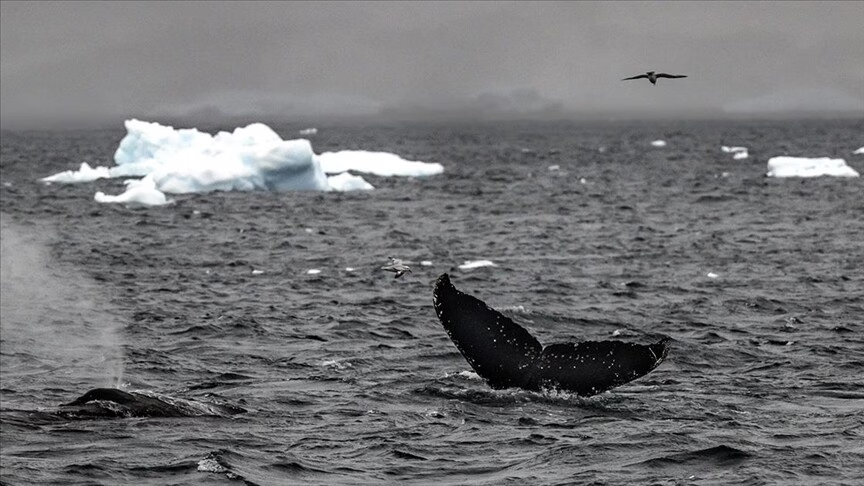
The species' population declined by approximately 25 percent between 2010 and 2020. Although the birth of more than 20 calves last year offered hope, scientists stress that the species needs high birth rates for several years and new conservation measures to recover. Ship strikes and entanglement in fishing gear also remain among the greatest threats to the species.
The data coincided with the November 17 day of the UN Climate Change Conference COP31 in Antalya, themed "Oceans, Seas, Nature and Land Use." The conference is addressing the protection of marine and coastal ecosystems and biodiversity.
Stay Updated with The Turkiye Times
Subscribe to be informed about special news, developments and announcements. We will keep you informed.
By signing up, you agree to our Privacy Policy














