- BIST10012,1510.00%
- USD49.34+0.24%
- EUR55.21-0.01%
- GOLD4,209.00+0.44%
- INTEREST37.00%-1.00
- BITCOIN83,653+2.32%
- October 13, 202618°
- BIST10012,1510.00%
- USD49.34+0.24%
- EUR55.21-0.01%
- GOLD4,209.00+0.44%
- INTEREST37.00%-1.00
- BITCOIN83,653+2.32%
- October 13, 202618°
Forgotten mounting stones in Istanbul preserve traces of Ottoman urban life
Istanbul’s mounting stones were functional architectural features used during the Ottoman period to make it easier to mount and dismount horses and horse-drawn carriages. Kubilay Arpacı said that these stones could be found not only in the city but also in Anatolian cities such as Eskişehir and İzmir.


Small stone structures located within Istanbul’s historic fabric were used during the Ottoman period as everyday aids that made it easier to mount and dismount horses and horse-drawn carriages. Known as mounting stones, these features gradually lost their function as transportation habits changed.
Kubilay Arpacı, a researcher in the Department of Art History at the Faculty of Literature of Istanbul Medeniyet University, said mounting stones enabled people to mount and dismount riding animals and horse-drawn carriages more easily. The stones were generally placed at a height close to that of a rider seated in a saddle.
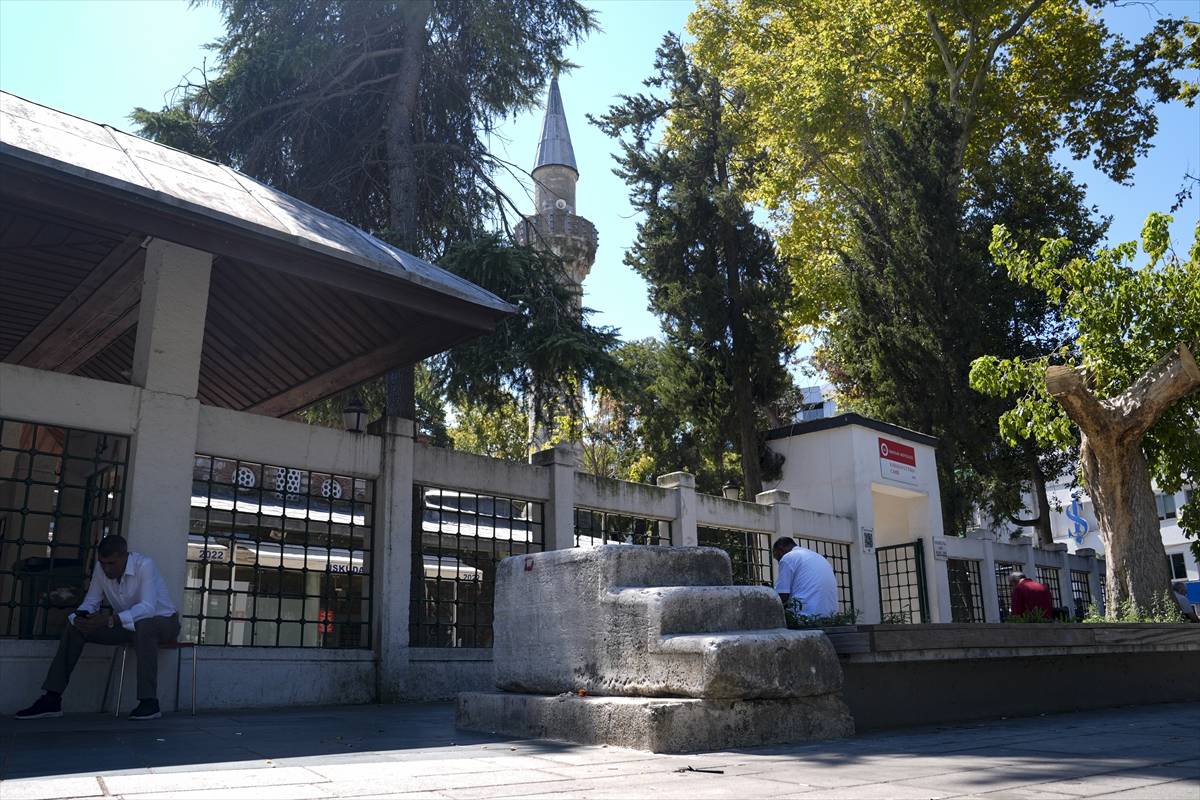
Used along palace roads and outside mansions
Mounting stones were placed at various points in Istanbul, particularly along routes used by sultans, members of the dynasty and senior state officials. Examples found outside the homes of prominent figures in the city show that these structures not only met a practical need but also reflected social status.
Horses were regarded in Ottoman society as symbols of power, prestige and office for sultans, members of the dynasty and state administrators. The concentration of mounting stones along certain routes was one reflection of this symbolic value in the city’s architecture.
Examples in Istanbul
Examples of mounting stones that have survived in Istanbul include those in front of the Hagia Irene Church, at Bâbüsselâm in Topkapı Palace, at Eyüp Sultan Mosque, on Tahta Oturma Yolu, at Fatih Mosque, at the Türbeler Gate of Süleymaniye Mosque, at the entrance to Pertevniyal Valide Sultan Mosque, at the Tomb of Sultan Abdülhamid I, at the imperial loge of Şehzade Mosque and in front of Kara Davut Pasha Mosque.
The form of these stones varied according to their location and intended use. The example on Tahta Oturma Yolu had a stepped design, while some were made from a single block of stone or from sections of columns raised above the ground.
Arpacı said mounting stones did not have a standard form and that those along routes used by senior state officials were designed in a more orderly manner.
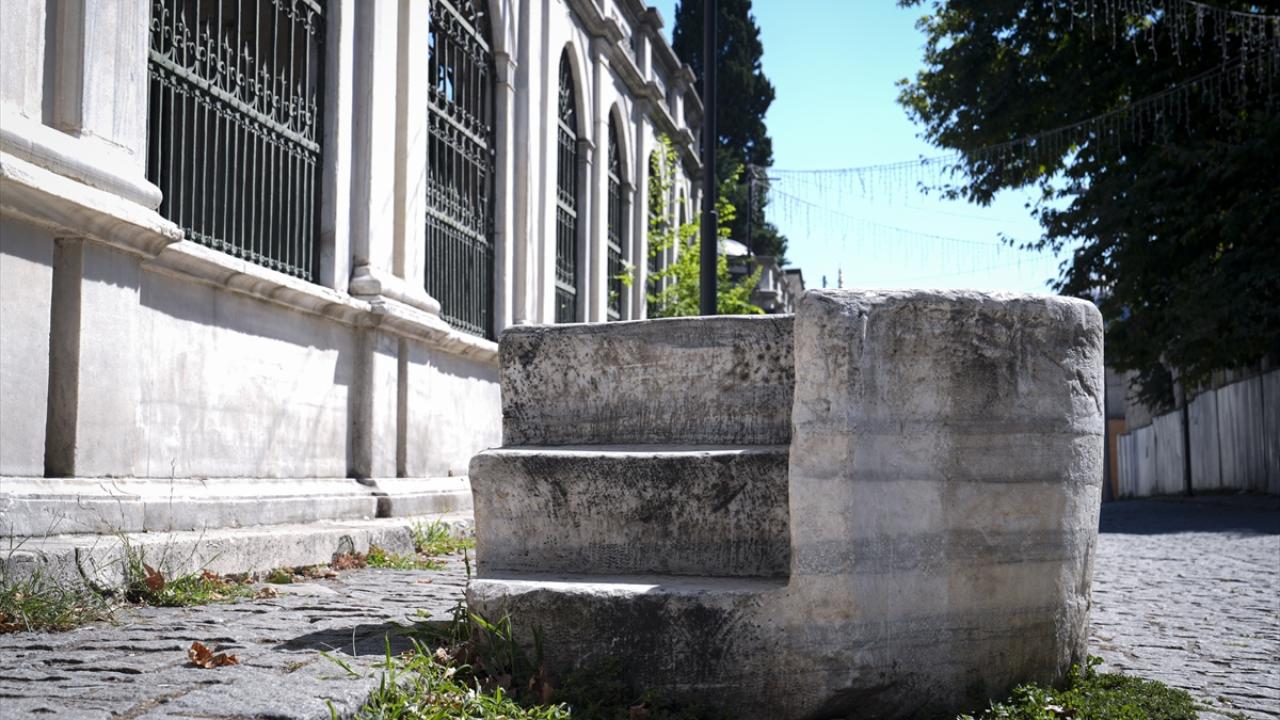
Examples also found in Anatolian cities
Mounting stones were not unique to Istanbul. They can also be found in Anatolian cities such as Eskişehir and İzmir, where the examples were generally located outside the homes of the region’s prominent figures.
Members of the dynasty and women of the palace, as well as pashas, grand viziers and sultans, used these stones to mount horses or board horse-drawn carriages. They were among the small but notable elements of the functional approach in Ottoman urban architecture aimed at making daily life easier.
Lost their function as modern transportation spread
As Istanbul modernized and forms of transportation such as trains and trams became widespread, mounting stones gradually fell out of use. Some examples were damaged, while others disappeared over time.
Some of the few mounting stones that have survived to the present day are easily visible. Those in front of Eyüp Sultan Mosque and Kara Davut Pasha Mosque can be seen because of their distinctive forms, while the stones at Bâbüsselâm and near the Türbeler Gate at Fatih Mosque are harder to identify because they blend into the surrounding architectural fabric.
These small structures, which continue to exist amid Istanbul’s dense modern urban life, preserve traces of architectural solutions designed to meet everyday needs during the Ottoman period and of the city’s past transportation habits.
Stay Updated with The Turkiye Times
Subscribe to be informed about special news, developments and announcements. We will keep you informed.
By signing up, you agree to our Privacy Policy














