Global markets started the week cautiously after trading mixed last week under the influence of developments in the Middle East, expectations surrounding the U.S. Federal Reserve’s monetary policy and forecasts for the profitability of technology companies. Investors are focused on inflation data due to be released around the world, particularly in the United States.
Global equity markets were supported on Friday by easing selling pressure in bond markets and falling oil prices. U.S. President Donald Trump said he and Russian President Vladimir Putin had agreed that Russia would supply millions of tons of diesel fuel to the United States and global markets.
The U.S. Treasury Department authorized transactions involving Russian-origin diesel, including its sale, delivery, unloading from ships and importation, through April 7, 2027. The Russian government also announced that the ban on diesel fuel exports had been partially lifted under the agreement reached with the United States.
Trump also announced that a ceasefire had been reached between Ukraine and Russia concerning attacks on energy infrastructure. Following these developments, December Brent crude futures fell 1.2% to trade at $103.4 a barrel.
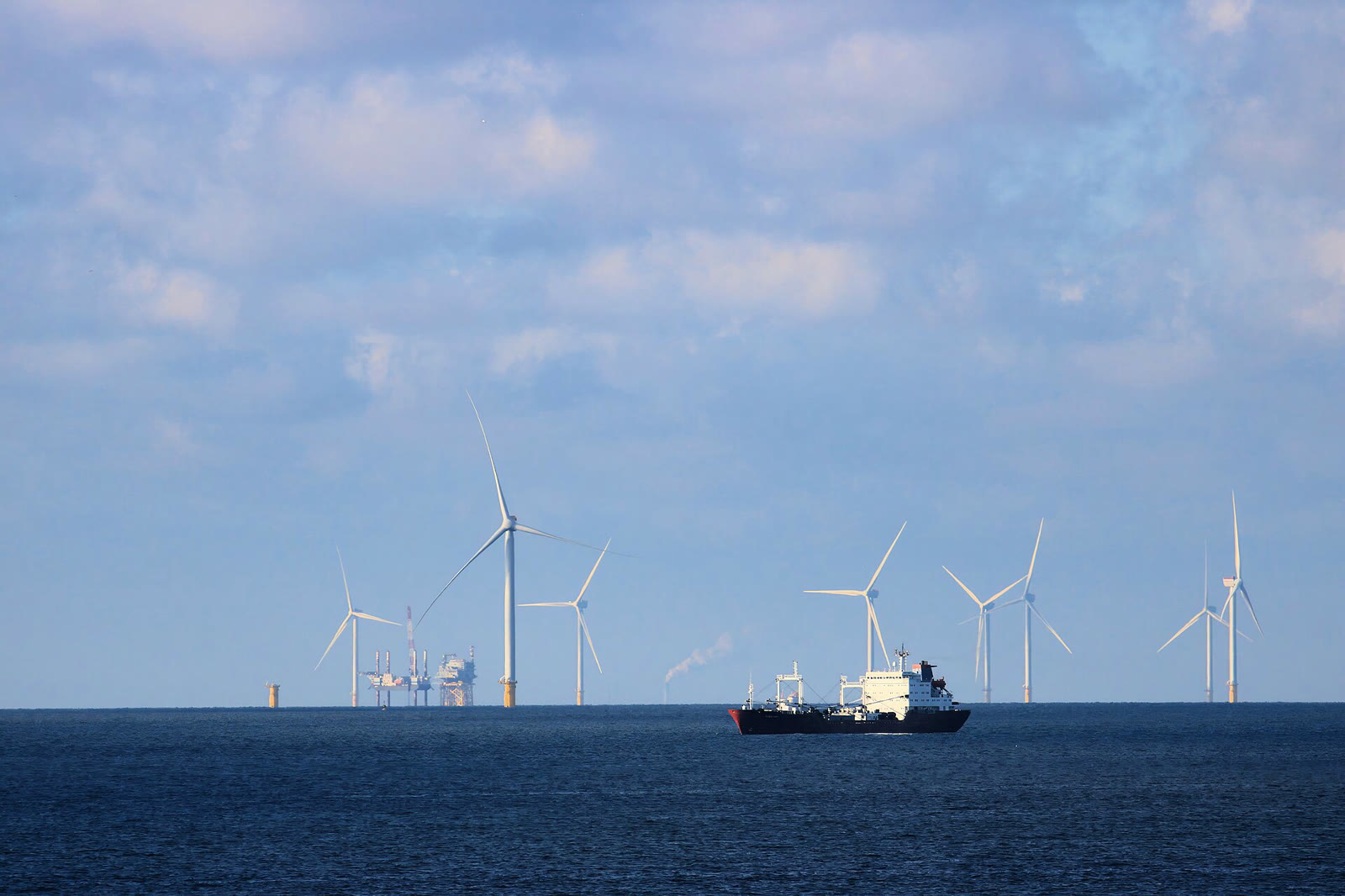
The targeting over the weekend by Iran-backed Houthis of airports in Riyadh and Dammam, Saudi Arabia, as well as two energy facilities in the country’s east, kept geopolitical risks weighing on markets. The developments sustained concerns that medium- and long-term risks to oil prices could persist.
U.S. markets focus on earnings and inflation
Bond markets in the United States were closed for trading because of Columbus Day. A report published by the Federal Reserve showed that families’ median income and net worth in the United States increased between 2022 and 2025, while the rate of stock market participation declined.
The International Monetary Fund and the World Bank will assess the challenges facing the global economy at their annual meetings amid heightened uncertainty caused by geopolitical tensions and continued inflationary pressure from rising energy costs. The meetings, which began in Bangkok, will continue through October 18.
The United Nations Conference on Trade and Development warned that global economic growth would slow to 2.6% this year and forecast 4% growth in trade in goods and services. The organization expects the global economy to grow 2.7% in 2027, while growth in developing economies is projected to decline to 4% this year from 4.7% in 2025.
The dollar index stood at 102.2, just below the previous close, while gold traded flat at $4,195 an ounce. Corporate financial results and profitability expectations are expected to steer markets as the earnings season gathers pace.
Inflation in the United States is expected to accelerate because of rising energy costs. If inflation does not accelerate as expected, Federal Reserve officials could deliver more dovish messages at this month’s meeting.
New York Stock Exchange rises
U.S. stocks ended Friday higher on expectations that geopolitical risks could ease. The Dow Jones gained 0.83%, the S&P 500 rose 0.59% and the Nasdaq advanced 0.64%. U.S. index futures started the first trading day of the week higher.
Shares of SpaceX rose 1.3% after the company announced an agreement to acquire a low-band spectrum portfolio covering the United States. The agreement is expected to pave the way for Starlink Mobile to become a major mobile operator in the United States.
Concerns that the agreement could increase competition in the telecommunications sector led to declines in the shares of major mobile operators. AT&T, T-Mobile and Verizon shares fell 9.9%, 13.3% and 8.8%, respectively, at the open.
The University of Michigan’s consumer sentiment index fell to 46.3 in October. The index, which came in below market expectations, fell to its lowest level since May.
European and Asian stocks move in different directions
European equities were supported after the European Union and China reached a common understanding on halving hybrid vehicle exports, improving access to the Chinese market and easing export licenses for rare earth elements.
In Germany, 2,373 businesses filed for insolvency in July. Corporate insolvencies increased 8% from the same period in 2025. S&P affirmed the United Kingdom’s credit rating at AA/A-1+ and kept its outlook stable.
On Friday, the FTSE MIB rose 0.91%, the DAX 40 gained 1.13%, the FTSE 100 advanced 1.06% and the CAC 40 climbed 0.95%. European index futures started the week higher.
Asian stocks traded mixed amid uncertainty over developments concerning a reported ceasefire between Russia and Ukraine and geopolitical risks stemming from the Middle East. Investors focused on the earnings report expected Thursday from Taiwan-based semiconductor manufacturer TSMC.
Near the close, the Kospi fell 2.7% and the Shanghai Composite declined 0.1%, while the Hang Seng rose 0.2%. Markets in Japan were closed for a holiday.
Borsa Istanbul closes Friday at 12,265.98 points
The BIST 100 index at Borsa Istanbul ended Friday up 0.43% at 12,265.98 points. The October futures contract based on the BIST 30 index rose 0.10% in Friday’s evening session compared with the regular-session close.
The dollar/Turkish lira pair closed Friday at 49.2695. The exchange rate traded at 49.3300 at the opening of the interbank market, 0.1% above the previous close.
The bill titled the Proposal on Certain Investment Funds Ordered to Be Liquidated, signed by lawmakers from the Justice and Development Party, was submitted to the Presidency of the Grand National Assembly of Türkiye on Friday. Under the proposal, investors with a net investment amount below 1 million liras in funds designated by the board could receive an interim payment equal to that amount from the liquidation assets, while investors with 1 million liras or more could receive an interim payment of up to 1 million liras.
With a quiet data agenda expected at home and abroad, the BIST 100 index is being monitored at 12,400 and 12,500 points as resistance levels and 12,100 and 12,000 points as support levels.



















