- BIST10011,131-3.02%
- USD50.47+0.05%
- EUR55.46+0.20%
- GOLD3,525.90-4.33%
- INTEREST36.00%-1.00
- BITCOIN58,969-4.74%
- November 20, 202617°
- BIST10011,131-3.02%
- USD50.47+0.05%
- EUR55.46+0.20%
- GOLD3,525.90-4.33%
- INTEREST36.00%-1.00
- BITCOIN58,969-4.74%
- November 20, 202617°
Israel fears ICJ’s Myanmar ruling could set precedent in Gaza genocide case
Israeli public broadcaster KAN and The Jerusalem Post wrote that the International Court of Justice’s ruling holding Myanmar responsible for genocide could weaken Tel Aviv’s defense in South Africa’s case against Israel.


Israeli media raised concerns that the International Court of Justice (ICJ) ruling that Myanmar committed genocide against Rohingya Muslims could set a precedent in South Africa’s genocide case against Israel over Gaza.
An analysis published by Israeli public broadcaster KAN recalled that the ICJ had, for the first time in its history, directly held a state responsible for genocide. It emphasized that the case was brought by Gambia, which was not a party to the conflict, closely mirroring the case filed by South Africa.
“Evidence standards were relaxed”
The KAN article argued that the Court had relaxed the evidentiary criteria it applies to genocide cases. It said a ruling in the case against Israel was not expected before 2030 and that changes in the Court’s bench during that period could affect the course of the proceedings.
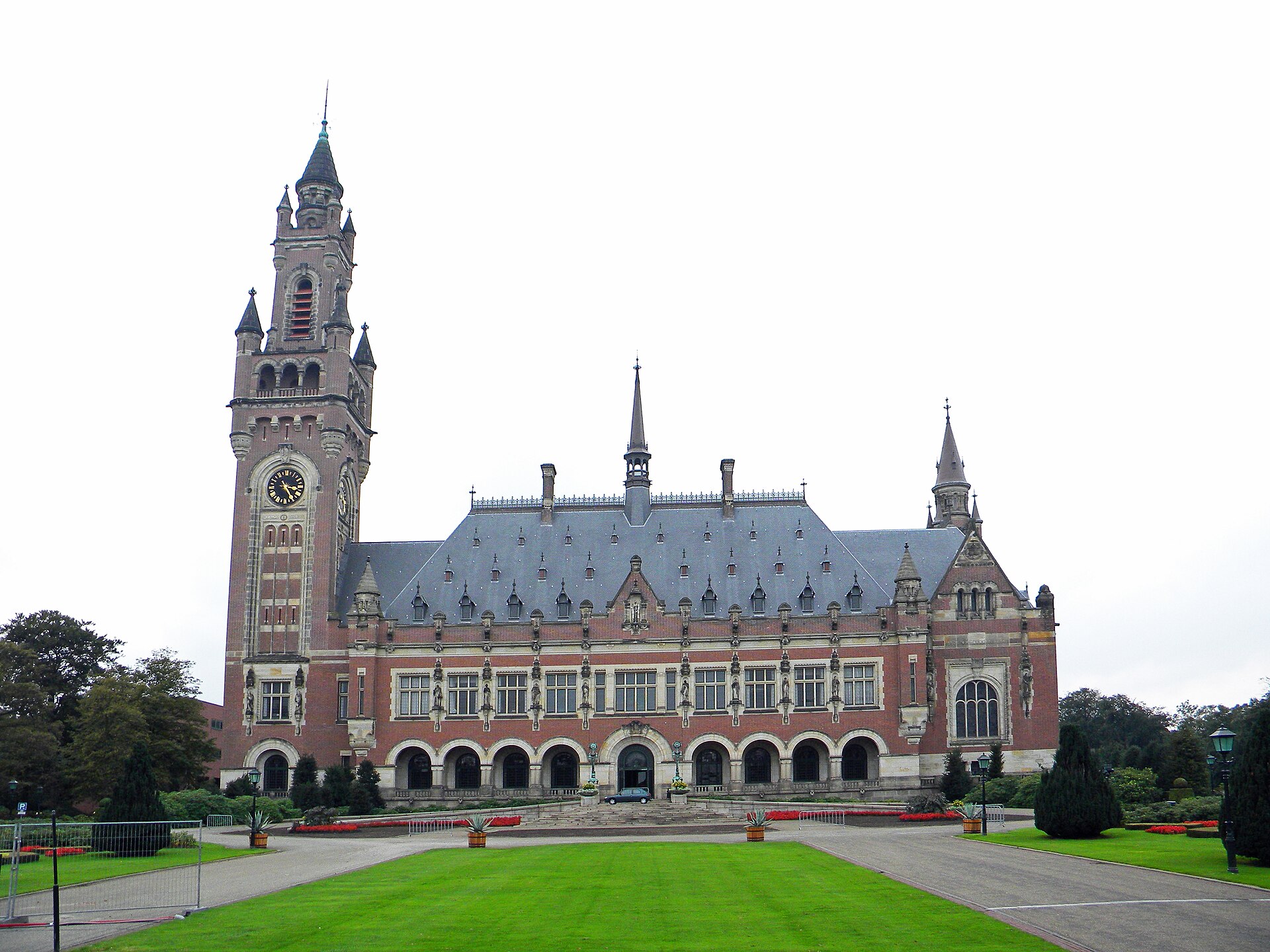
The Jerusalem Post wrote that the ruling had expanded the standards for proving genocide and had “already partially harmed” Israel’s ability to mount a defense. According to the newspaper, the ICJ considered not only the number of people killed, but also physical and mental harm, the widespread destruction of homes and provocative statements as evidence of genocidal intent, applying “more flexible standards.” It also noted that the influence of UN reports on the Myanmar ruling would create difficulties for Israel.
South Africa filed a case at the ICJ in December 2023, accusing Israel of violating the Genocide Convention. The Court issued three separate provisional measures orders in 2024. Türkiye also welcomed the ICJ’s ruling on Myanmar.
Photos: AA, Wikimedia Commons (Dierk Schaefer, CC BY 2.0).
Stay Updated with The Turkiye Times
Subscribe to be informed about special news, developments and announcements. We will keep you informed.
By signing up, you agree to our Privacy Policy














