- BIST10011,131-3.02%
- USD50.47+0.05%
- EUR55.46+0.20%
- GOLD3,525.90-4.33%
- INTEREST36.00%-1.00
- BITCOIN58,969-4.74%
- November 20, 202617°
- BIST10011,131-3.02%
- USD50.47+0.05%
- EUR55.46+0.20%
- GOLD3,525.90-4.33%
- INTEREST36.00%-1.00
- BITCOIN58,969-4.74%
- November 20, 202617°
Israeli tanks cross Gaza's Yellow Line for first time since ceasefire
The Israeli army advanced west of the line set by the October 2025 ceasefire in a ground operation launched northeast of Nuseirat Camp. Salah al-Din Street was closed, and families were displaced again.


On Wednesday, November 18, the Israeli army entered west of the “Yellow Line” established by the ceasefire that took effect in October 2025, using tanks and bulldozers in central Gaza. In the first ground operation since the ceasefire, it re-entered areas evacuated under the agreement.
An AA correspondent observed intense activity in Al-Mughraqa, southwest of Gaza City, around the Wadi Gaza Bridge, in the Al-Dawa neighborhood northeast of Nuseirat Refugee Camp and northwest of Bureij Camp. The area came under heavy fire and artillery shelling, killing at least one Palestinian.
Salah al-Din Street closed
COGAT, which is affiliated with Israel’s Defense Ministry, announced that the operation covered Areas 660, 661 and 666 northeast of Nuseirat. The relevant section of Salah al-Din Street, which connects northern and southern Gaza, was closed to traffic until the operation ends. Palestinians fear the move will divide Gaza in two again.
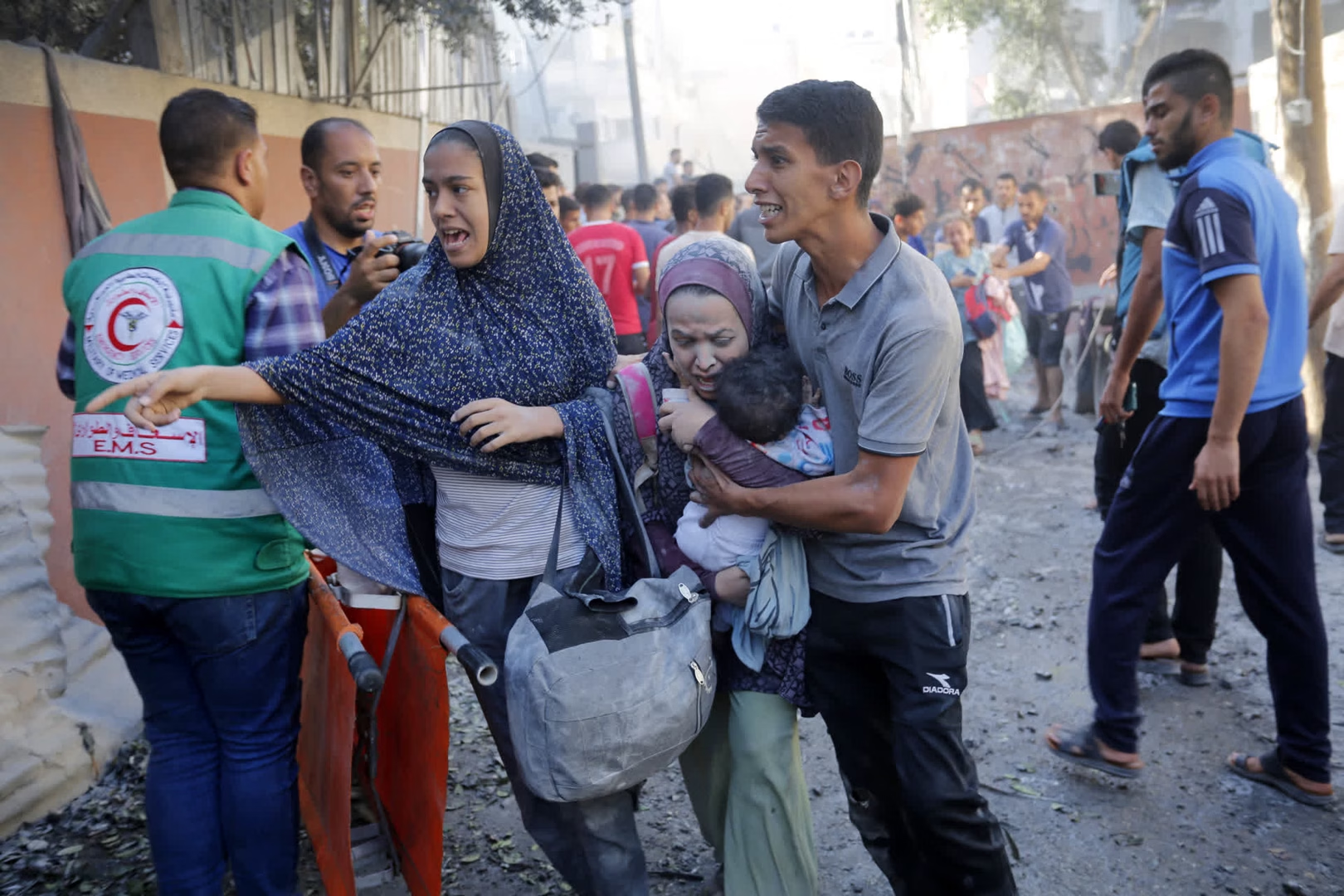
Army spokesperson Ella Waweya said in a statement overnight that the operation, conducted jointly with the Shin Bet internal security agency, aimed to destroy a tunnel that they said posed an “immediate threat” to soldiers, and that operations would continue. Israel Army Radio described the operation as “limited,” extending 300 to 400 meters beyond the Yellow Line, and said it was expected to last several days and had been coordinated in advance with the United States.
UN: More than 18,000 people at risk
Farhan Haq, deputy spokesperson for the UN secretary-general, said more than 18,000 people remained in the approximately 2.5-square-kilometer operation area in Deir al-Balah, including 4,000 people in camps for displaced people. Gaza’s Civil Defense also said the lives of more than 5,260 people in six shelters were in danger. Hamas condemned the attack as a blatant violation of the ceasefire.
When the ceasefire began, Israel controlled approximately 53 percent of Gaza; local estimates indicate that it now holds around 70 percent of the territory.
Stay Updated with The Turkiye Times
Subscribe to be informed about special news, developments and announcements. We will keep you informed.
By signing up, you agree to our Privacy Policy