- BIST10012,151-0.94%
- USD49.220.00%
- EUR55.21+0.28%
- GOLD4,194.50-0.52%
- INTEREST37.00%-1.00
- BITCOIN83,014-0.79%
- October 12, 202619°
- BIST10012,151-0.94%
- USD49.220.00%
- EUR55.21+0.28%
- GOLD4,194.50-0.52%
- INTEREST37.00%-1.00
- BITCOIN83,014-0.79%
- October 12, 202619°
University hospitals are expanding advanced medical care across Türkiye
University hospitals across Türkiye are providing robotic surgery, organ transplantation, fetal surgery, artificial intelligence-supported imaging and personalized cancer treatments. İnönü University performed the world’s first simultaneous eight-way paired liver transplant, while Ege University has completed 308 heart transplants over 28 years.


University hospitals across Türkiye are helping expand highly specialized healthcare services through advanced medical technologies and academic expertise. These centers provide specialized care in a range of fields, from robotic surgery and organ transplantation to fetal surgery and advanced cancer treatments.
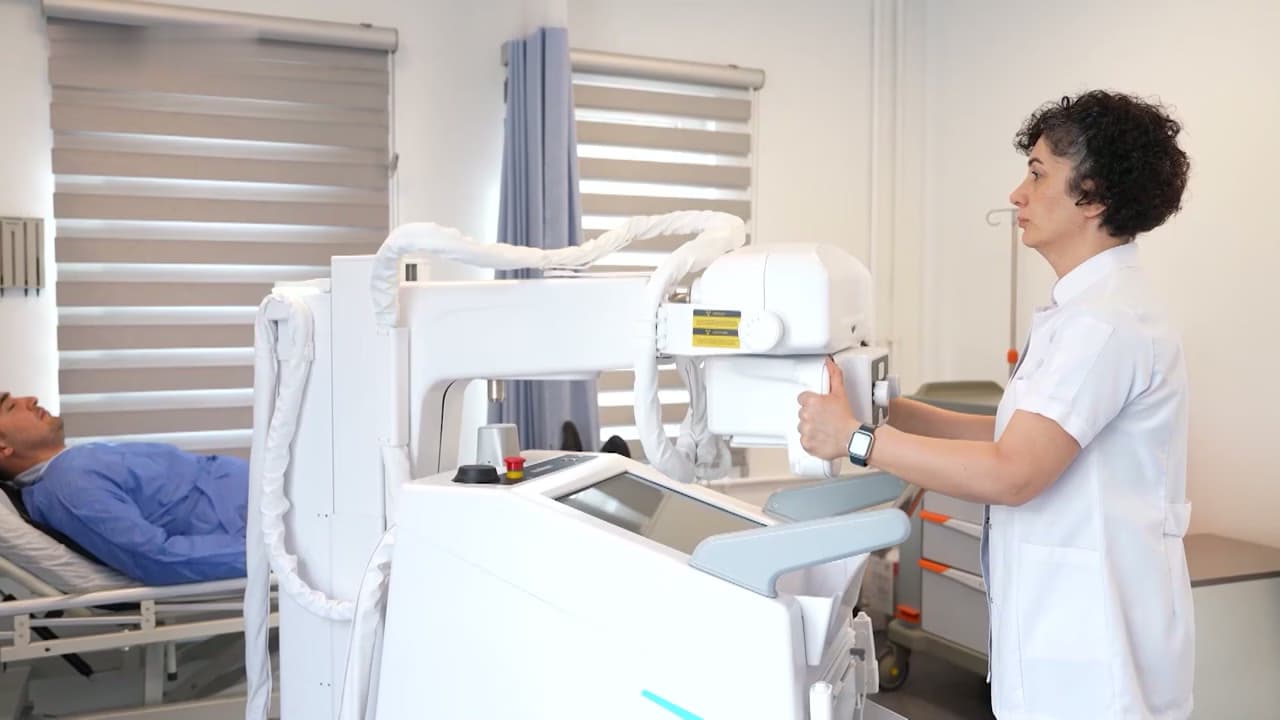
Remote surgery was performed between Istanbul University Faculty of Medicine and Muş State Hospital using 5G infrastructure and a domestically produced surgical robot. The operation was managed from Istanbul University Faculty of Medicine.
Leading practices in organ transplantation
A congenital opening in the spinal cord of a 26-week-old fetus was repaired using a minimally invasive technique in the womb at Hacettepe University. The operation, which involved a multidisciplinary team of approximately 30 people, was Türkiye’s first fetal surgery performed using a closed technique.
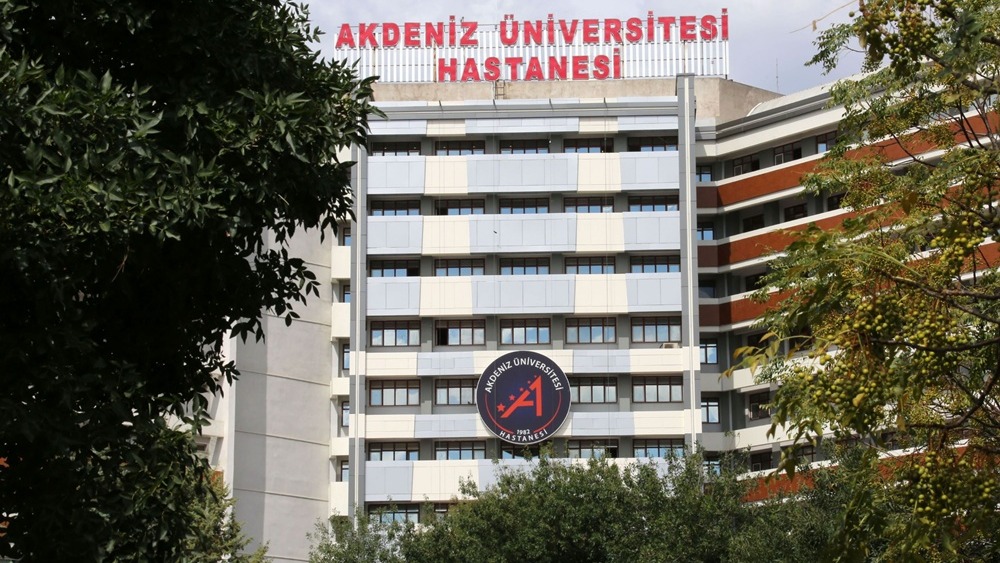
Akdeniz University Hospital continues its work in organ transplantation as the center where the world’s first uterus transplant from a deceased donor, as well as Türkiye’s first double-arm and face transplants, were performed. At İnönü University’s Turgut Özal Medical Center Liver Transplant Institute, the world’s first simultaneous eight-way paired liver transplant was performed.
Artificial intelligence supports cancer treatment
The condition of a 16-year-old patient who developed facial deformity after a traffic accident was analyzed using computed tomography and 3D modeling at Karadeniz Technical University’s Farabi Hospital.
The CAR-T Cellular Therapies Production Center at Akdeniz University Hospital enables the development of personalized treatments for certain types of cancer based on specially preparing patients’ own immune cells in a laboratory setting.
Gallium-68 PET/CT and artificial intelligence-supported MRI at İnönü University, along with artificial intelligence-supported digital PET/CT at Gazi University, assist physicians in detecting cancerous tissue.
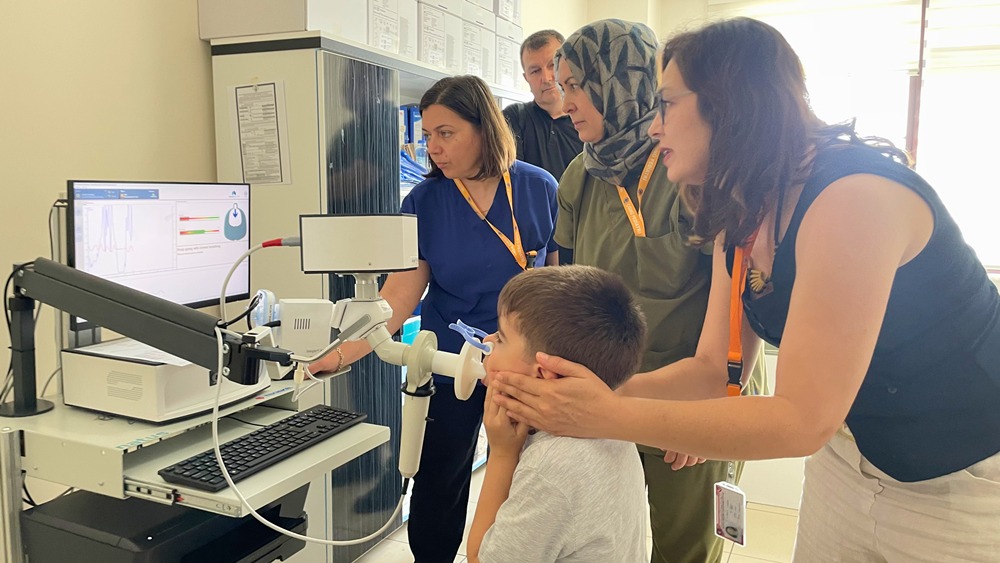
Bed capacity was increased at Kahramanmaraş Sütçü İmam University Hospital following the February 6 earthquakes. The hospital also opened new operating rooms, an artificial intelligence-supported MRI unit, a dialysis unit and a stroke center.
Heart transplantation and domestic healthcare technologies
Following the first heart transplant performed in 1998 at Ege University Faculty of Medicine’s Department of Cardiovascular Surgery, 308 heart transplants have been carried out over 28 years. Four clinical procedures were also performed at Gaziantep University Şahinbey Research and Practice Hospital using the domestically developed LIFELINE HLM heart-lung machine produced by ASELSAN.
At Afyonkarahisar University of Health Sciences, bile ducts can be directly visualized using choledochoscopy, a method being applied in the region for the first time. At Çanakkale Onsekiz Mart University, a patient with severe tracheal stenosis underwent laryngotracheal resection and anastomosis surgery.
Research and education converge with healthcare services
Research and development activities at the Neuroscience and Neurotechnology Center of Excellence, the artificial intelligence and simulation infrastructure of the New Cerrahpaşa Project, virtual reality and surgical simulation applications at Bursa Uludağ University, and early-phase clinical studies at Hacettepe University are among the examples in which scientific research and healthcare services are conducted within the same structure.
YÖK President Prof. Dr. Erol Özvar said university hospitals are important components of Türkiye’s healthcare capacity, with their strong academic staff, expertise and advanced healthcare infrastructure.
Özvar said that directly transferring the knowledge and experience generated by universities through education and research activities into healthcare services contributes to the development and expansion of advanced medical practices. He said university hospitals carry out treatment, research, technology development and training functions together, adding that more effective use of academic expertise and technological capabilities would support the provision of highly specialized services in different regions of Türkiye.
Stay Updated with The Turkiye Times
Subscribe to be informed about special news, developments and announcements. We will keep you informed.
By signing up, you agree to our Privacy Policy