- BIST10012,151-0.94%
- USD49.220.00%
- EUR55.21+0.28%
- GOLD4,194.50-0.52%
- INTEREST37.00%-1.00
- BITCOIN82,961-0.85%
- October 13, 202619°
- BIST10012,151-0.94%
- USD49.220.00%
- EUR55.21+0.28%
- GOLD4,194.50-0.52%
- INTEREST37.00%-1.00
- BITCOIN82,961-0.85%
- October 13, 202619°
Korean minhwa and Turkish miniature art meet in Ankara
An exhibition in Ankara brings together works reflecting different periods and interpretations of Korea’s traditional folk art minhwa and Turkish miniature art. The exhibition features works by 36 Turkish and 36 Korean artists, around 40 paintings, and lighting lamps made from Korea’s traditional hanji paper.


Works reflecting different periods and interpretations of Korea’s traditional folk art minhwa and Turkish miniature art have been brought together at an exhibition in Ankara. The exhibition was curated by Aehee Kang and Meral Öztürk.
Alongside works by Korean and Turkish artists, the selection also includes works by Turkish artists trained through courses held at the Korean Cultural Center. Around 40 paintings and lighting lamps made from Korea’s traditional hanji paper are on display.
Live performances presented at the opening
A live painting performance was held on a large piece of fabric at the exhibition’s opening. A dance performance titled “Harmony,” focusing on the cultural unity of the two countries, was also presented to the audience.
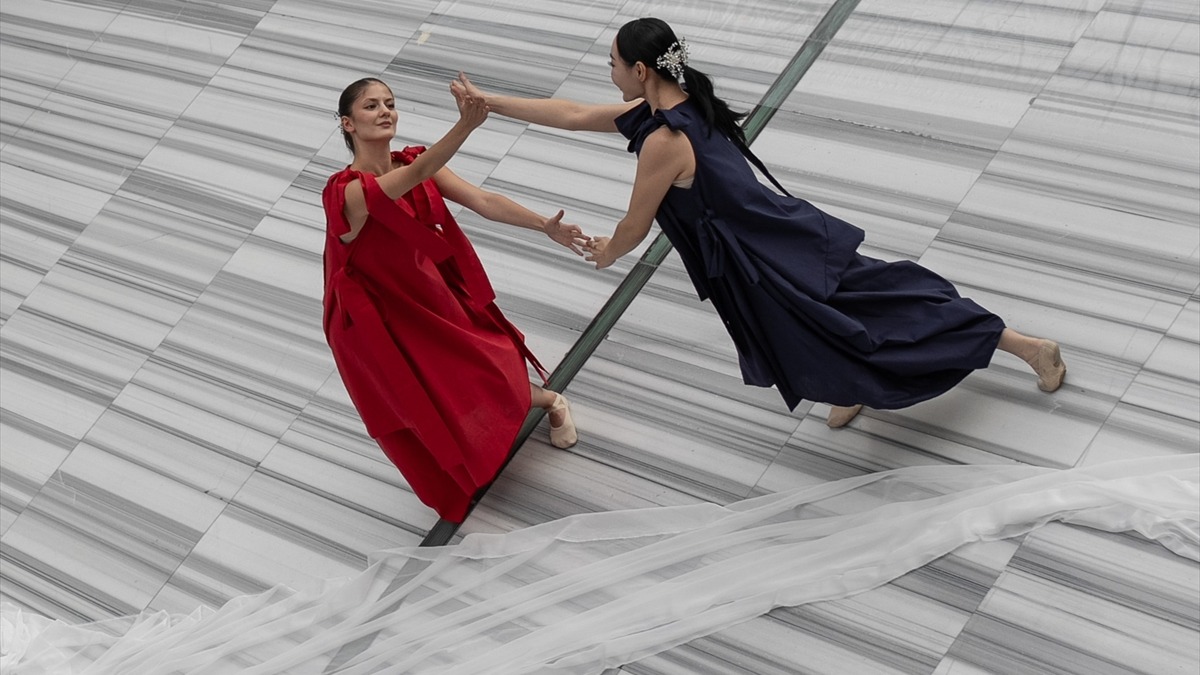
At the end of the performance, which was accompanied by calligraphy created on a three-meter-long sheet of traditional Korean paper, the audience flew colorful paper planes toward the performance area, symbolizing the shared future and hope of the two countries.
Aehee Kang, one of the exhibition’s curators, said minhwa and Turkish miniature art differ in their techniques and materials, but also share common ground. Kang said the theme of the opening performance was “harmony,” adding that it conveyed the idea of bringing different cultures together to move forward as one.
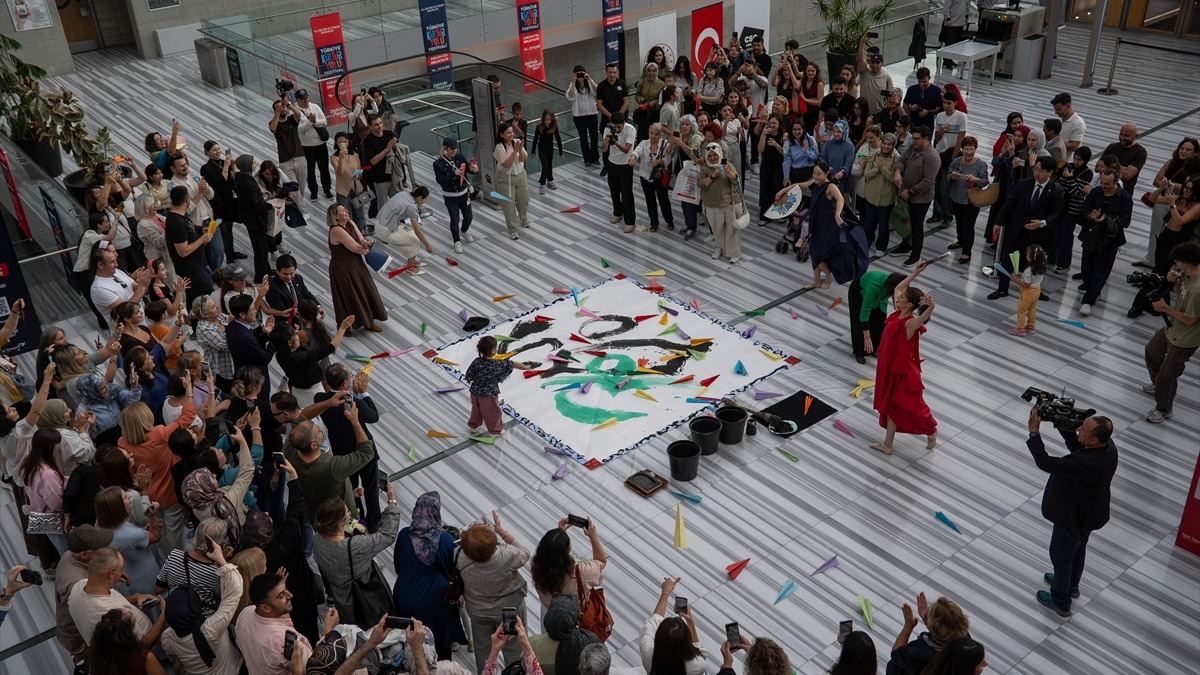
Kang said the performance was inspired by Korea’s traditional bojagi art. She noted that the design, created by bringing different pieces together, evokes the Turkish concept of “patchwork.”
Works by 72 artists featured in the selection
The other curator, Meral Öztürk, said a special selection had been created for the project prepared in cooperation with the Korean Cultural Center. The exhibition features works by young artists trained in traditional miniature art, as well as established artists who teach the discipline at academies.
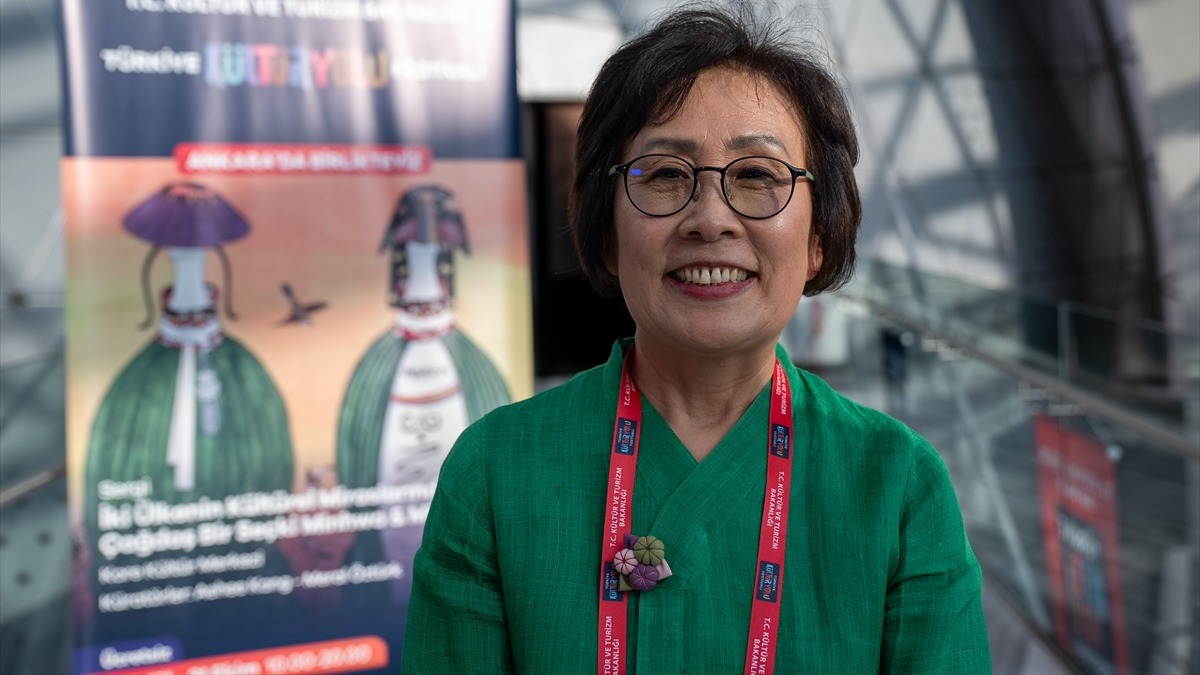
Öztürk said the selection includes works by 36 Turkish and 36 Korean artists. The artists used the paper, paints and drawing techniques employed in minhwa art when creating the works.
The knowledge and skills acquired in calligraphy classes at the Korean Cultural Center were also reflected in the works through traditional themes specific to Turkish and Korean cultures. Öztürk said the exhibition brings together the cultural heritage of the two countries through the unifying power of art.
South Korea’s Ambassador to Ankara, Boo Sukjong, also attended the exhibition. The event welcomed visitors as part of the Culture Route Festival.
Stay Updated with The Turkiye Times
Subscribe to be informed about special news, developments and announcements. We will keep you informed.
By signing up, you agree to our Privacy Policy