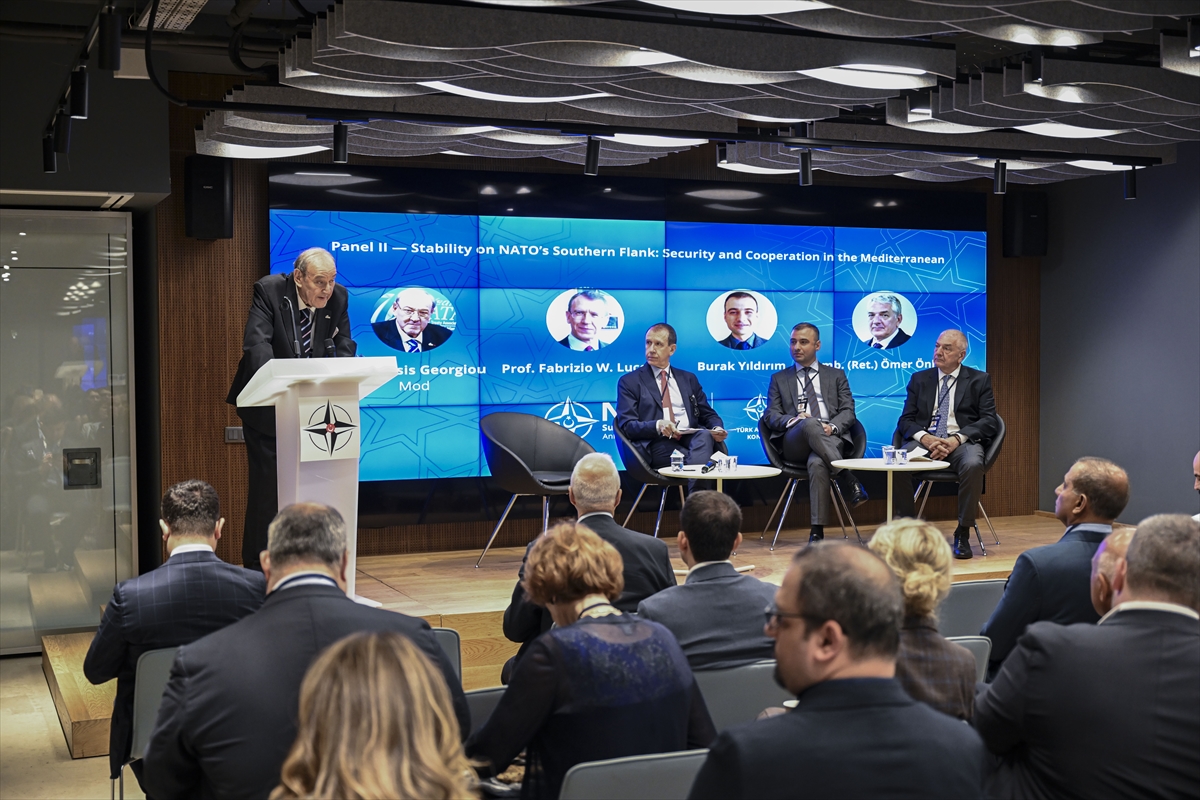
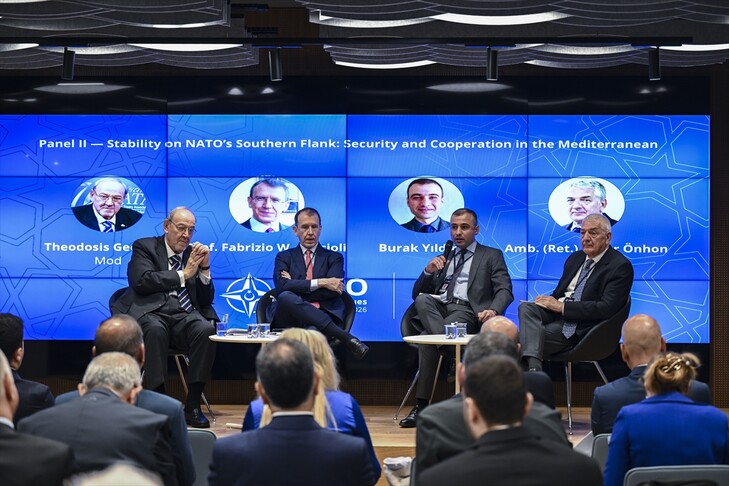
A panel titled 'Stability in NATO's Southern Flank: Security and Cooperation in the Mediterranean' was held as part of the 'NATO Summit Dialogues' organized by the Turkish Atlantic Council (ATA Türkiye) and the Hariciye Center for Foreign Policy and Defense Studies in Ankara.
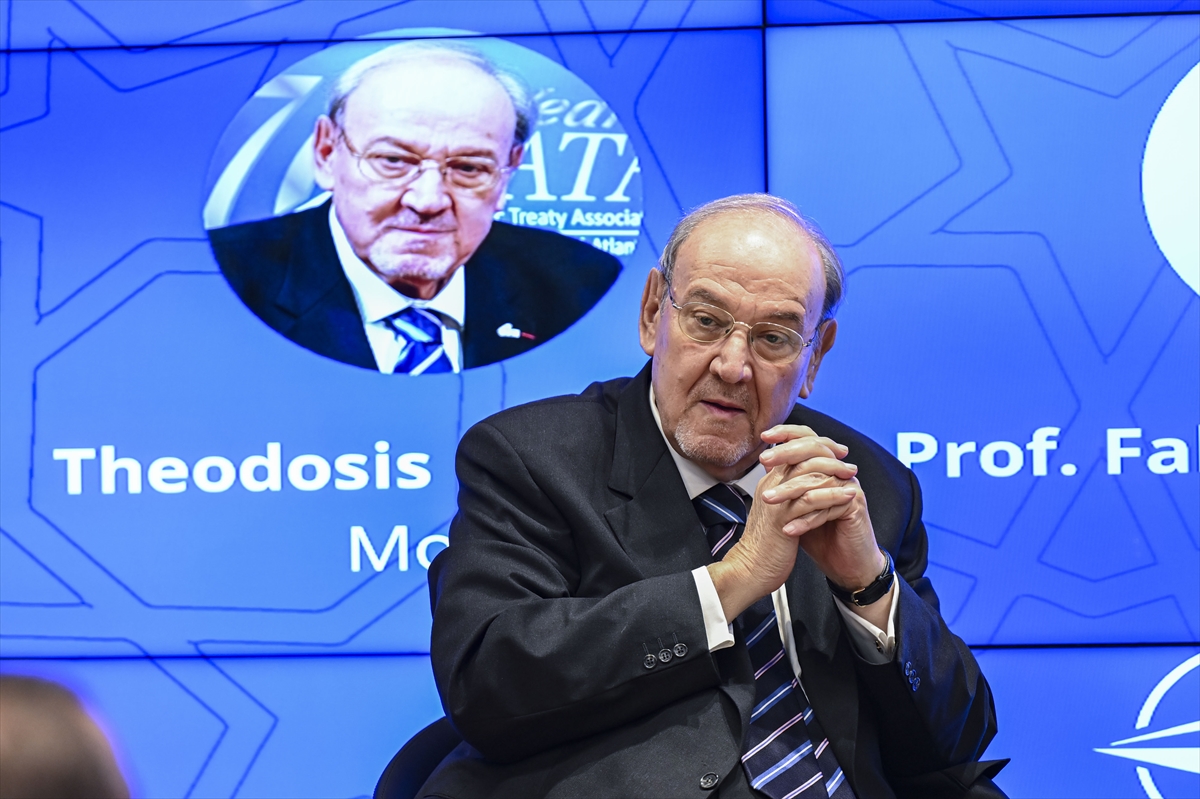
At the panel supported by TÜSİAD, maritime and energy security in the Eastern Mediterranean and instability in North Africa and the Sahel region were discussed.
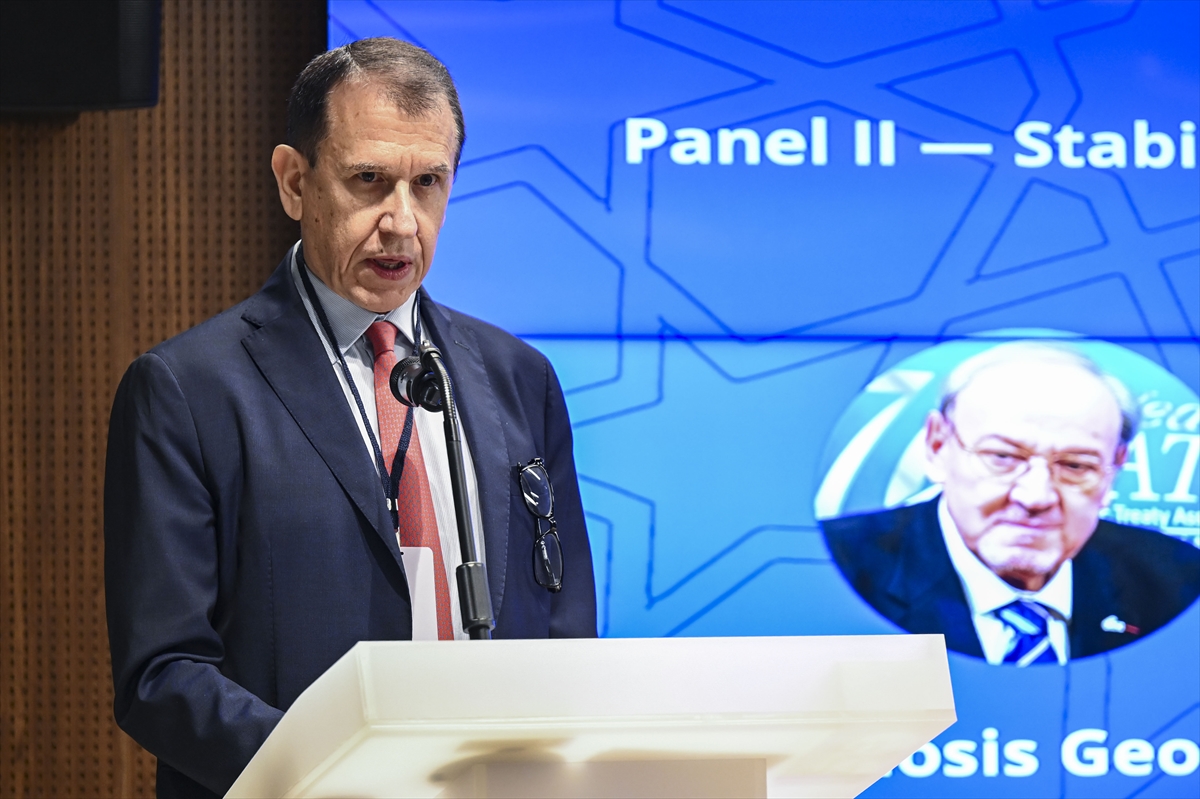
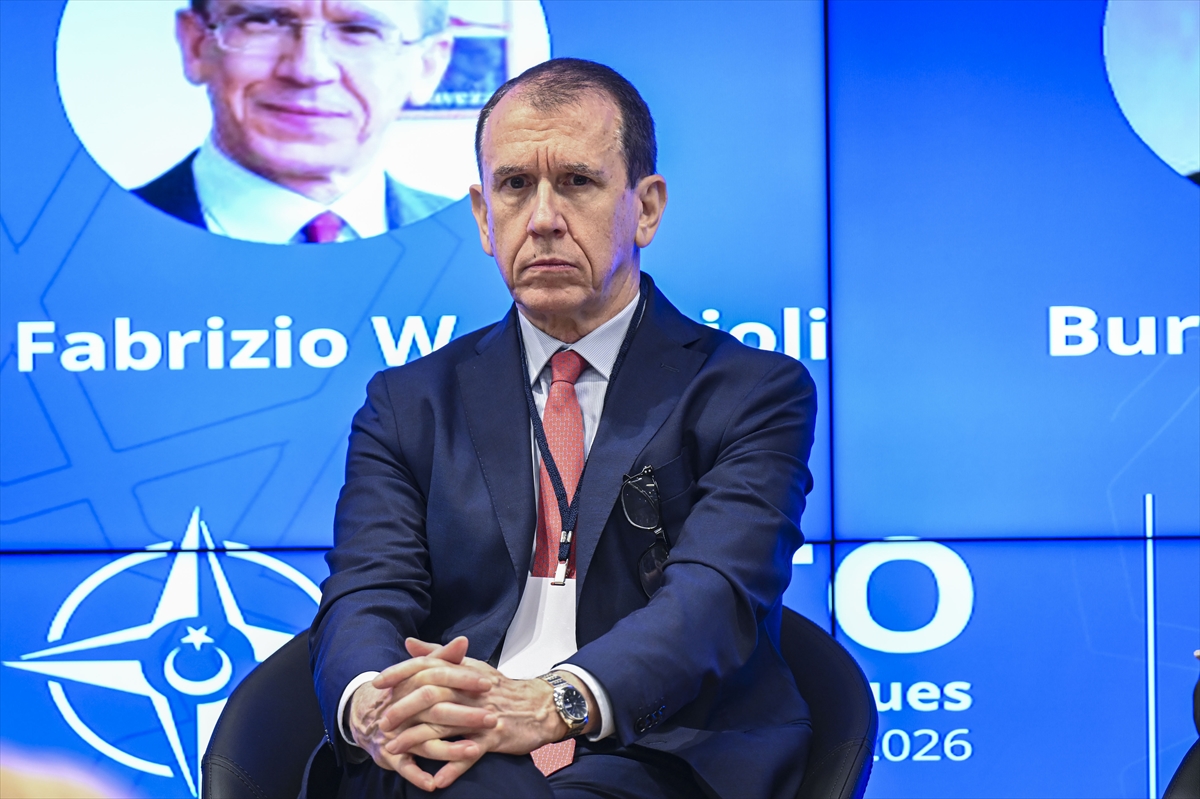
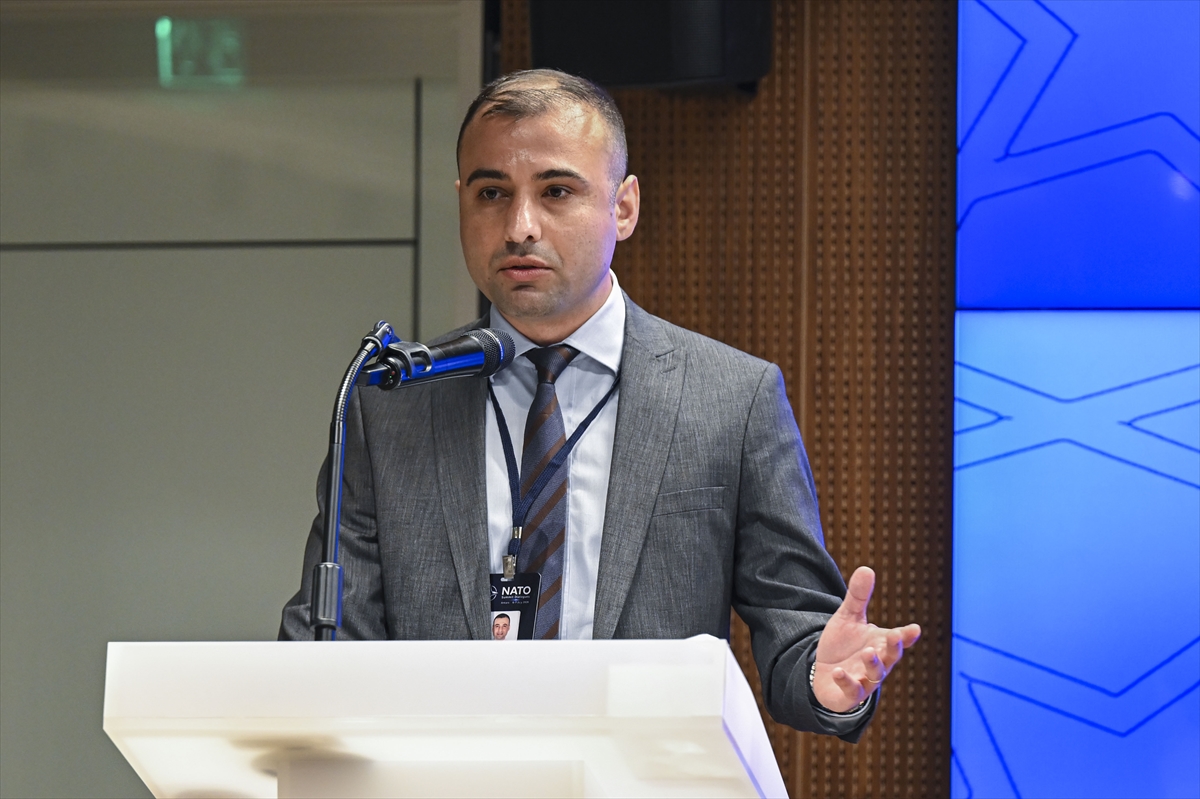
The session, moderated by Theodossios Georgiou, President of the Atlantic Treaty Association, featured former ATA President Prof. Fabrizio W. Luccholi, retired Ambassador Ömer Önhon, and security and defense analyst Burak Yıldırım as speakers.
A strategic crossroads
Prof. Luccholi noted that NATO's southern flank is gaining increasing importance and said that the Mediterranean will be one of the main agenda items at the 36th NATO Summit of Heads of State and Government to be held in Ankara.
Emphasizing that military superiority is still 'indispensable' but does not guarantee strategic success on its own, Luccholi pointed out that submarine cables, critical minerals, and artificial intelligence have become part of geopolitical competition.
The Mediterranean is no longer just a basin or a sea. It has become a crossroads where security, energy, technology, trade, finance, and geopolitics intersect. Its strategic depth is not limited to the Suez Canal; it extends to the Red Sea, the Bab el-Mandeb Strait, and even the Indo-Pacific. No longer can we understand what is happening by looking at these regions—from the Horn of Africa to deep inside Israel—separately; they all affect each other.
Luccholi stated that China's approach to the south, while appearing less confrontational, still maintains its strategic character. He noted that rather than exporting instability, China seeks to expand its influence through infrastructure projects, use economic investments as a means of pressure, and employ technology as a tool to gain strategic superiority. Stating that the Belt and Road Initiative aims to 'shape connectivity,' Luccholi said that the southern flank is not only part of NATO's geography but also a 'roadmap' for the alliance's future.
Reaction to Netanyahu's call: 'Completely absurd'
Retired Ambassador Ömer Önhon noted that in recent years, 'awareness and preparedness' regarding giving more importance to the southern flank within NATO have increased. He stressed that instability and fragility in the Middle East and North Africa affect the alliance's security.
Stating that problems such as terrorism, irregular migration, climate change, and the sharing of water resources persist in the southern periphery, Önhon touched on the long and bloody civil wars in Iraq and Syria. 'We see that a certain system has formed in Iraq. This is a positive development, and we hope the situation improves further in the future,' he said.
Reminding that Türkiye has long borders with both Iraq and Syria, Önhon noted that developments in these two countries are therefore of great importance for Türkiye. Stating that the US and Israeli attacks on Iran have shaken the foundations of the regional order, Önhon said that certain lessons have been learned from what is happening in the region.
Touching on the issue of Israel, Önhon stated that he had read Netanyahu's remarks and said:
Netanyahu says that Türkiye should not be allowed to purchase weapons because it would allegedly upset the balance. Especially after 35 years, it is completely absurd for a prime minister of a foreign government to call on NATO countries and the US not to sell weapons to a NATO ally. When you look at the Israeli government's policy, it is clear that it goes far beyond ensuring Israel's security. Unfortunately, the motivation behind this policy is religious radicals and Zionist expansionists.
'Türkiye is the region's largest military power'
Security and defense analyst Burak Yıldırım said that NATO needs a mechanism to resolve disagreements and problems among allies. He stated that such a mechanism could also contribute to resolving disputes between Türkiye and Greece.
Pointing out that the security problems on the southern flank are not just about relations between NATO members, Yıldırım argued that 'the real problem in the region is Israel.'
Yıldırım added that Türkiye is not a 'rival' to countries like Greece, Israel, Saudi Arabia, Egypt, and Iran, but rather possesses the region's largest military power.














