- BIST10011,843+1.51%
- USD50.28+0.05%
- EUR55.60-0.24%
- GOLD3,894.70+0.22%
- INTEREST36.00%-1.00
- BITCOIN64,954-0.55%
- November 16, 202611°
- BIST10011,843+1.51%
- USD50.28+0.05%
- EUR55.60-0.24%
- GOLD3,894.70+0.22%
- INTEREST36.00%-1.00
- BITCOIN64,954-0.55%
- November 16, 202611°
Mehdi Eker warns at COP31: 645 million worldwide hungry as food is wasted
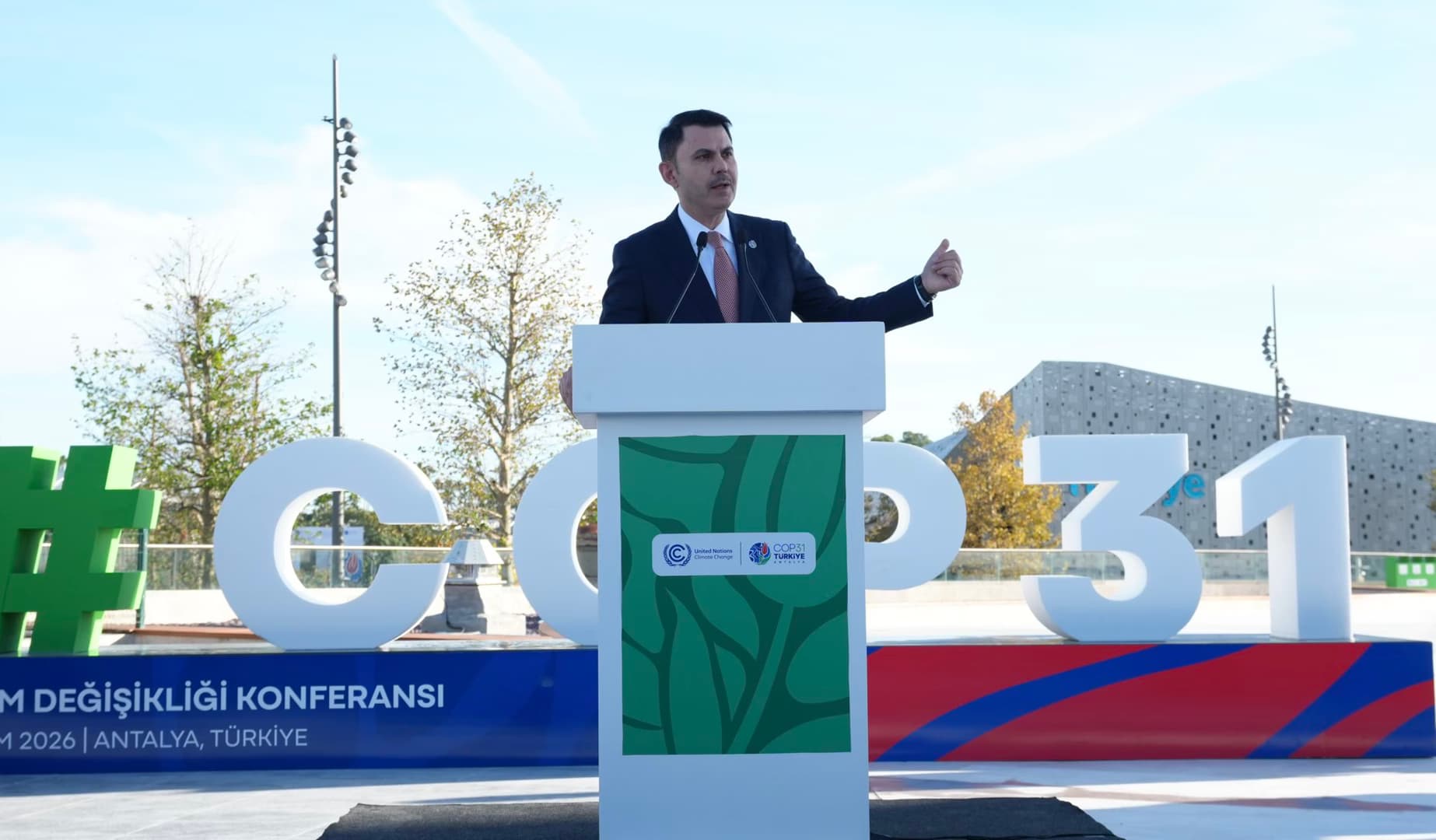
Mehdi Eker, a member of the Presidential Agriculture and Food Policies Board, said COP31’s main agenda is protecting agricultural and food systems from climate change. Eker warned that food security would be affected most if the climate deteriorates.
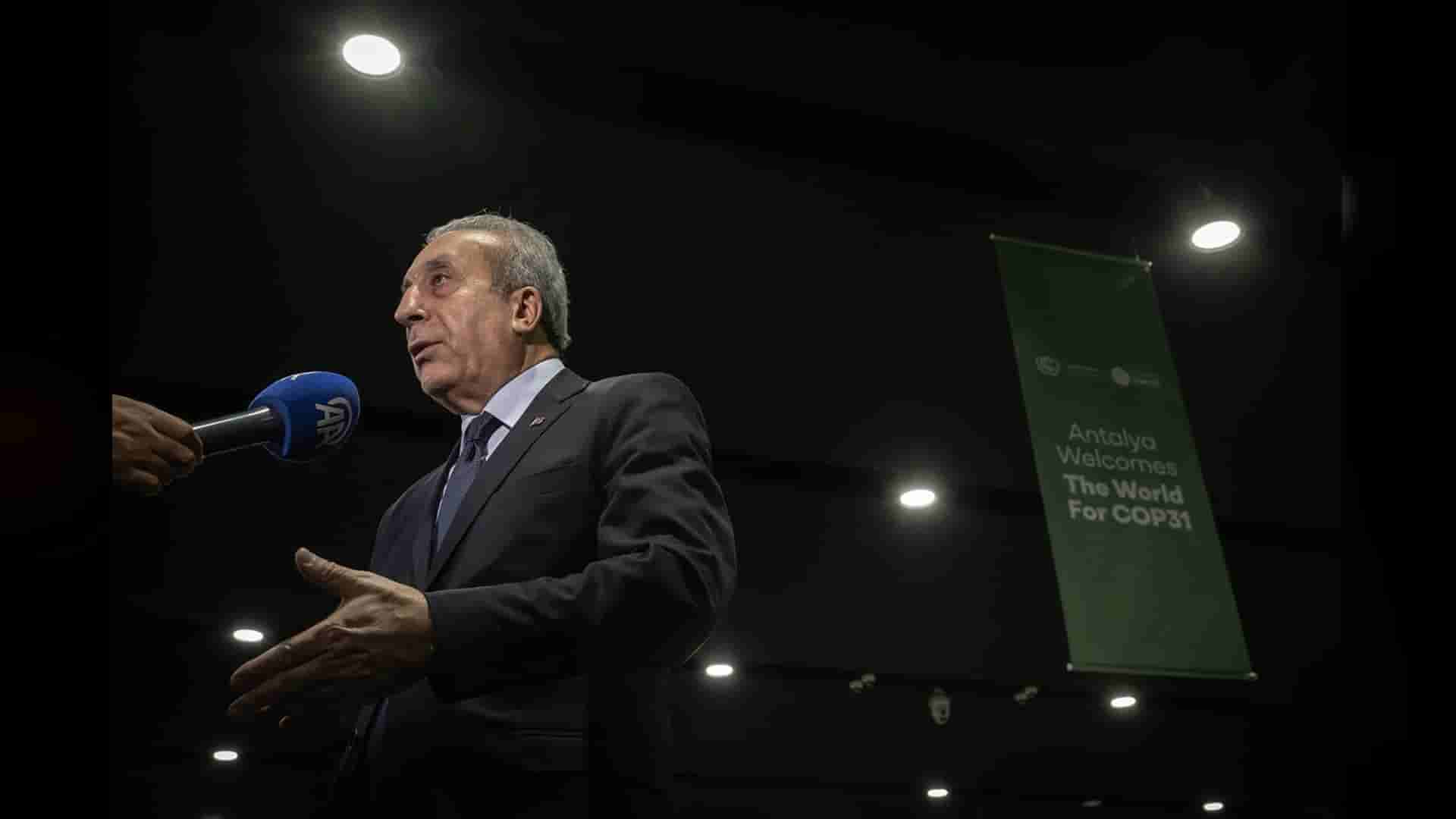
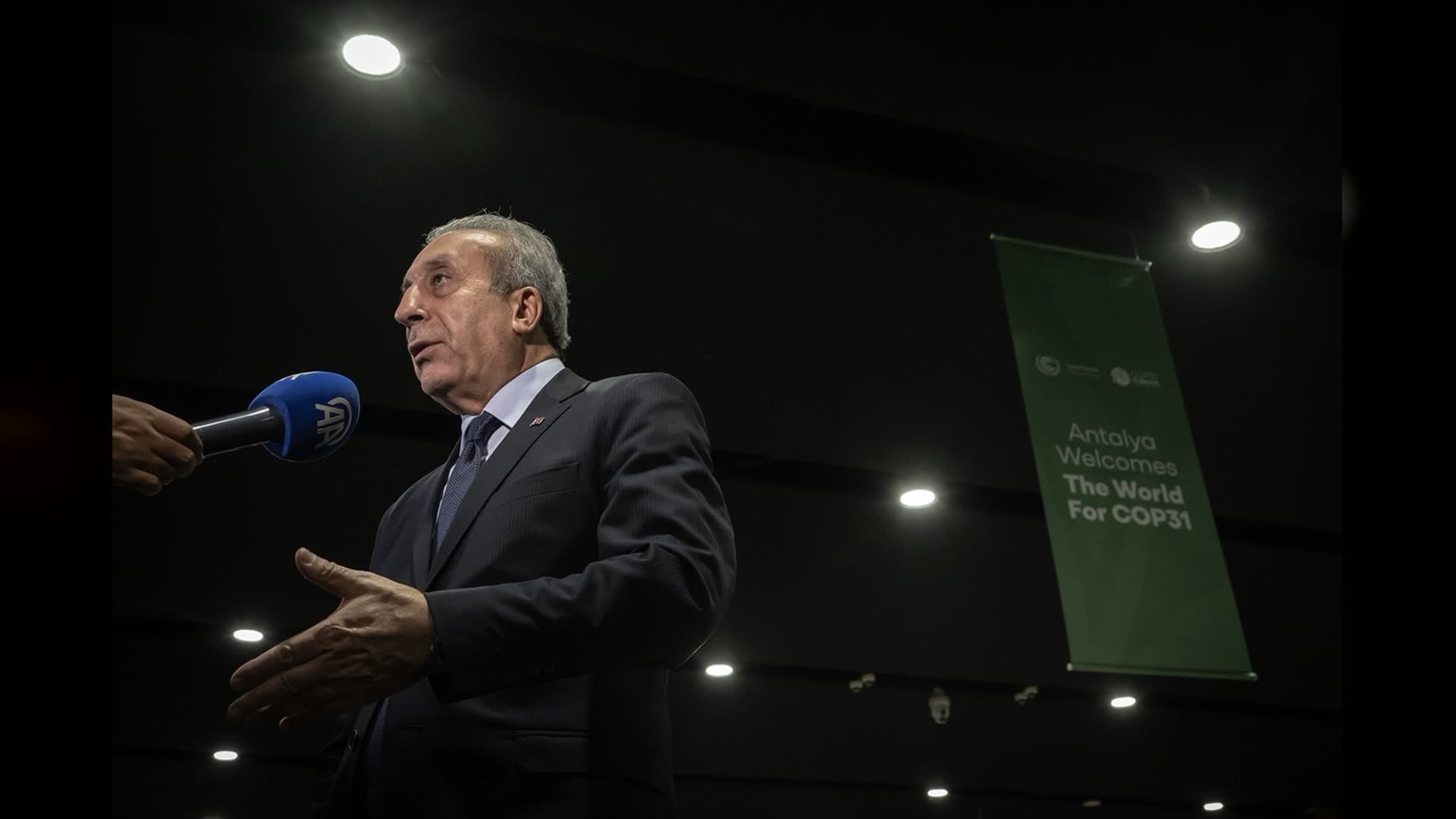
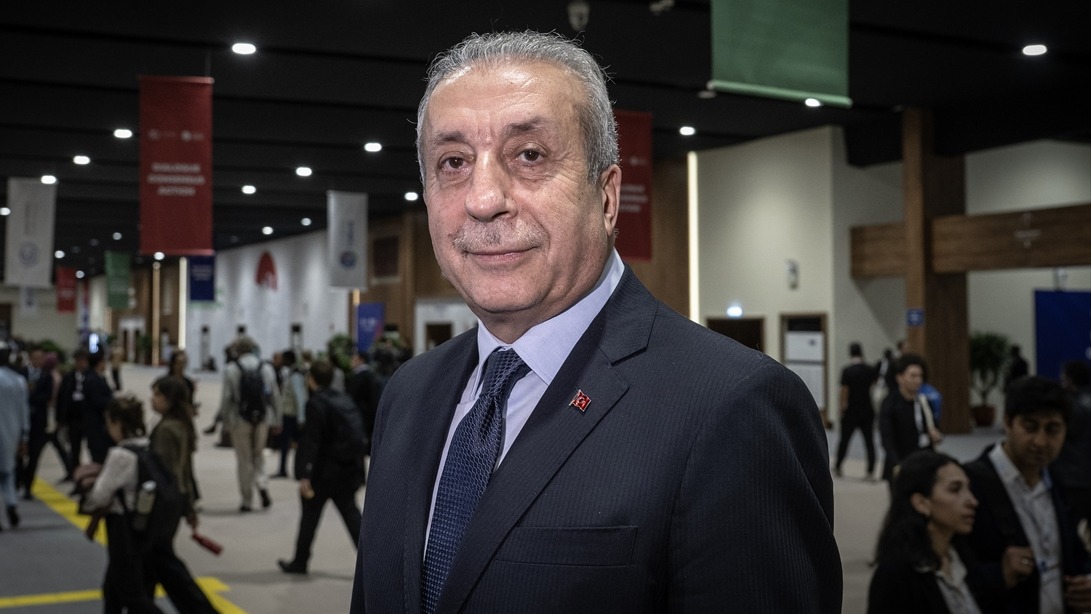
Mehdi Eker, a member of the Presidential Agriculture and Food Policies Board and former Minister of Food, Agriculture and Livestock, said COP31 in Antalya is primarily focused on how agricultural and food systems can be protected from climate change.
Speaking to Anadolu Agency (AA), Eker recalled that agriculture is shaped by climate, soil and topography, and that at least 70 percent of the world’s water is used in agriculture. He said the rise in hurricanes, extreme temperature fluctuations, floods and other natural disasters was negatively affecting production.
"Hunger fuels conflicts"
Eker said, "Hunger likewise fuels social problems and conflicts. That is why it is one of the world’s most important agenda items. Some 645 million people worldwide are hungry. Another 2.7 billion people are inadequately and unhealthily nourished."
Eker said there is enough food in the world, but some of it is wasted or lost because of inadequate storage and a lack of cold chains. He added, "The words spoken in conference halls, the ideas written in reports and the recommendations have no value unless they are put into practice in the field."
Farmers’ access to finance
Eker said farmers everywhere in the world want practical solutions for their own fields and need knowledge, technology, capital and financing to achieve them. He noted that not every country has sufficient means to access financing and stressed that financial institutions, decision-makers, banks and lending institutions must act together.
"If the climate deteriorates or the necessary measures are not taken, food security will be affected the most," Eker said, drawing attention to Anatolia’s approximately 12,500 years of agricultural and livestock-raising experience. Eker said that while the European continent has approximately 2,400 endemic plant species, Anatolia has around 4,200, adding that this wealth is a diplomatic asset for Türkiye.
Photos: AA
Stay Updated with The Turkiye Times
Subscribe to be informed about special news, developments and announcements. We will keep you informed.
By signing up, you agree to our Privacy Policy