- BIST10012,151-0.94%
- USD49.220.00%
- EUR55.21+0.28%
- GOLD4,194.30-0.52%
- INTEREST37.00%-1.00
- BITCOIN82,977-0.83%
- October 12, 202619°
- BIST10012,151-0.94%
- USD49.220.00%
- EUR55.21+0.28%
- GOLD4,194.30-0.52%
- INTEREST37.00%-1.00
- BITCOIN82,977-0.83%
- October 12, 202619°
MGÜ to bring Turkish and Western instruments together in a 70-member orchestra
A 70-member orchestra composed mainly of MGÜ academics and students will give its first concert on October 8 at the university’s Yunus Emre Sevgi Square. The repertoire will include folk songs, nefes pieces, Balkan and Crimean melodies, and instrumental works.


A 70-member orchestra established within the National Security University (MGÜ) will bring classical Turkish music and Turkish folk music instruments together on the same stage with strings, double bass, accordion and other Western music instruments.
The orchestra is composed mainly of academics and students. In addition to MGÜ faculty members, lecturers, research assistants and students, academics and students from different universities in Ankara are also taking part. The works are intended to be performed with new arrangements while preserving the traditional modal approach.
First concert on October 8
The orchestra will give its first concert on October 8 at MGÜ’s Yunus Emre Sevgi Square. Eight works will be performed during the concert, which will last approximately half an hour.
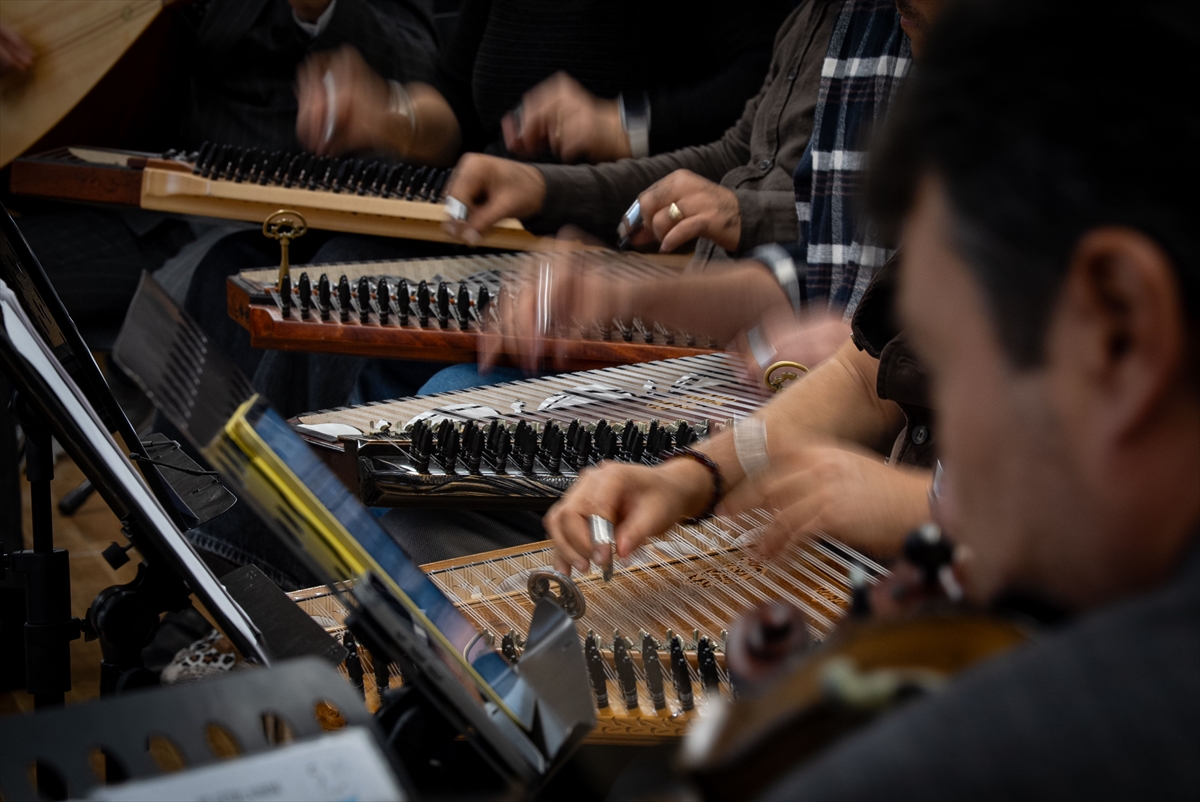
Students from Palet Turkish Music Primary School will also take the stage before the concert. The orchestra’s performance will follow the young artists’ appearance.
Repertoire includes folk songs and Balkan melodies
The orchestra’s repertoire includes folk songs, nefes pieces, Balkan and Crimean melodies, and instrumental works. The selection includes “Ben Melamet Hırkasını Kendim Giydim Eğnime,” “Estergon Kalası” and “Ey Güzel Kırım,” as well as “Perde Kaldırma,” a composition by MGÜ Rector and the orchestra’s General Artistic Director, Prof. Dr. Gülçin Yahya Kaçar.
In addition to Kaçar’s “Perde Kaldırma,” composed in the Hicaz makam, a Hüseyni oyun havası will also be performed at the first concert. The oyun havası was rearranged and enriched through orchestration.
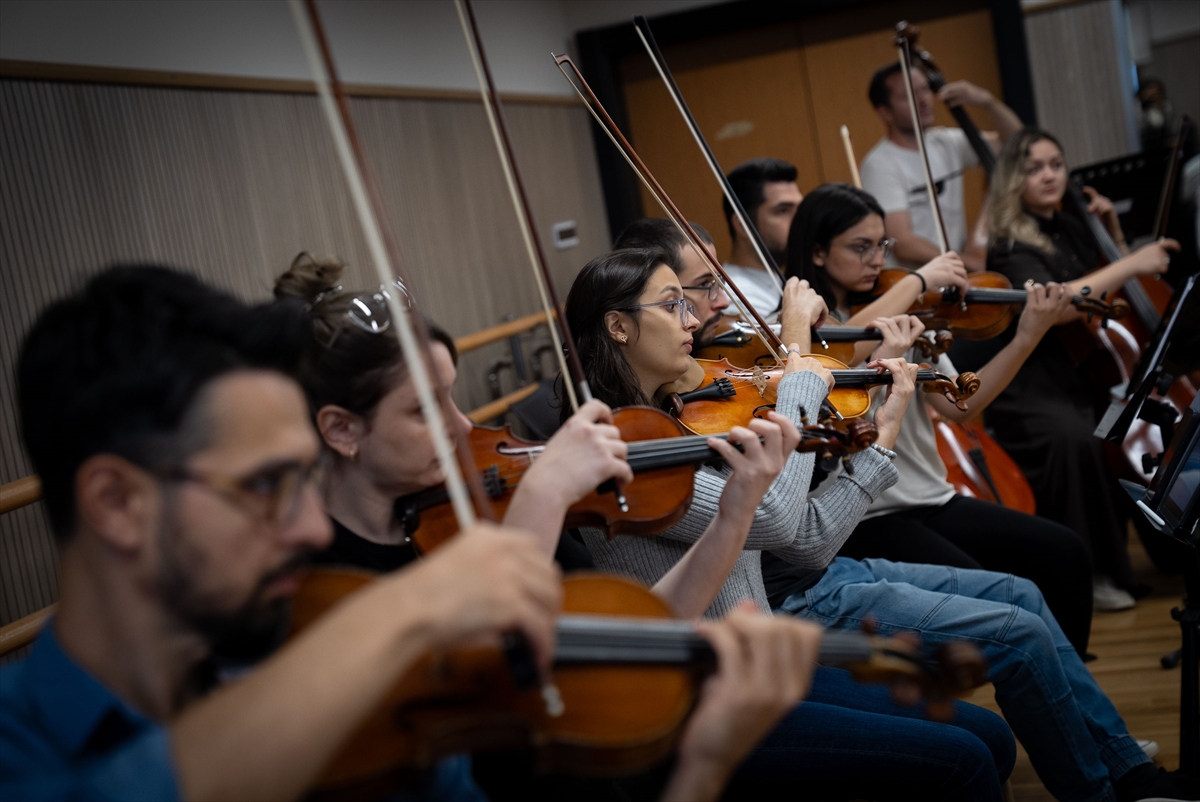
Turkish music’s modal structure will be preserved
Kaçar said the orchestra was established to bring the university’s academic staff together in a shared artistic production. Kaçar said the arrangements were prepared by the university’s academics and that they had brought Turkish folk music instruments and classical Turkish music instruments together with Western music instruments.
Kaçar said Western music instruments would be used particularly in the accompaniment and bass parts, emphasizing that there would be no compromise on makam performance, the pitch structure or the timbre of traditional music. In the arrangements, where the melody will remain at the forefront, instruments such as strings, double bass and accordion will provide supportive accompaniment.
Kaçar announced that they aim for the orchestra to give concerts and participate in festivals in Europe, the Turkic world, the Balkans, the Middle East and brotherly countries in the future.

Artists from different universities come together in one ensemble
Prof. Dr. Selçuk Öztürk, a faculty member at MGÜ’s Faculty of Music and Performing Arts, clarinetist and conductor of the orchestra, said different music ensembles had previously worked at the university, but an orchestra of this scope had been established for the first time.
Öztürk said academics and artists with strong individual output had come together in the same orchestra through the project. Öztürk said the repertoire was prepared under Kaçar’s general artistic direction and that they had created a selection of works drawing on the musical heritage of the people of Anatolia.
Öztürk said the rehearsal process had continued with intensive work and that the orchestra was ready for the concert on October 8.
Stay Updated with The Turkiye Times
Subscribe to be informed about special news, developments and announcements. We will keep you informed.
By signing up, you agree to our Privacy Policy