- BIST10012,151-0.94%
- USD49.220.00%
- EUR55.21+0.28%
- GOLD4,197.00+0.15%
- INTEREST37.00%-1.00
- BITCOIN81,768-2.28%
- October 13, 202617°
- BIST10012,151-0.94%
- USD49.220.00%
- EUR55.21+0.28%
- GOLD4,197.00+0.15%
- INTEREST37.00%-1.00
- BITCOIN81,768-2.28%
- October 13, 202617°
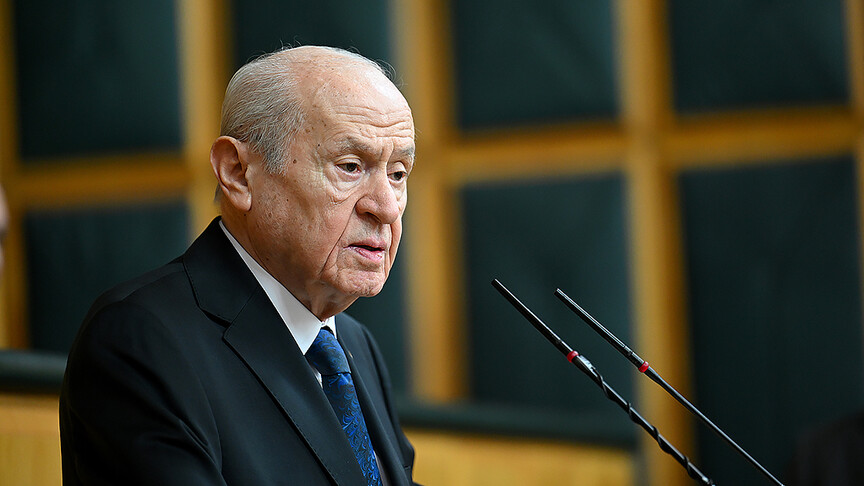
MHP leader Bahçeli: Ahilik is a holistic worldview centered on people and ethics
In a written statement marking Ahilik Week, MHP leader Devlet Bahçeli said the Ahilik system, which developed in Anatolia from the 13th century onward, combined professional principles with ethics and education.


MHP leader Devlet Bahçeli described the Ahilik system in a written statement marking Ahilik Week as a civilization project that shaped Anatolia’s social and economic structure from the 13th century onward.
Bahçeli said Ahilik helped people who came from Asia to Anatolia put down roots in these lands and created a distinctive structure that brought urbanization and professional specialization together with the principles of conscience and ethics. He argued that this structure, institutionalized under the leadership of Ahi Evran, constituted a historical counterpart to the hierarchical approach of Byzantine guilds.
Education and professional advancement in Ahilik
Bahçeli said education in the Ahilik system was not limited to practical training in the workplace, but was a lifelong process of maturation. He said that, along the path from apprentice to master, character and ethics were tested alongside professional competence, and those who proved their abilities attained the rank of master through ceremonies in which they were presented with a sash.
Bahçeli said members of the Ahi tradition were trained during the day through hands-on learning in workplaces, while in the evenings they engaged with scholarship, literature and the arts in lodges and yaren rooms. He said tradespeople who reached the level of master received capital from the communal fund, known as the orta sandığı, and were given the opportunity to open a shop.
Quality and the customer approach
Bahçeli said the legacy of Ahilik should not be viewed merely as a historical memory. He drew attention to Ahilik’s counterparts in practices now associated with quality management, customer satisfaction, mentoring, clustering and fair pricing.
Bahçeli argued that the ihtisab regulations applied in Bursa, İzmir and Edirne in the early 16th century could be considered among the first written examples of quality management. He said that penalties for defective production, treating the customer as a benefactor, masters and journeymen guiding apprentices, and tradespeople in the same craft gathering in the same market were all components of this approach.
Carrying Ahilik values into the future
Bahçeli said the Ahilik structure weakened in the face of the cheap mass production of the Industrial Revolution, the 1838 Treaty of Baltalimanı and internal problems that emerged over time, adding that this legacy should not be left only in the pages of history.
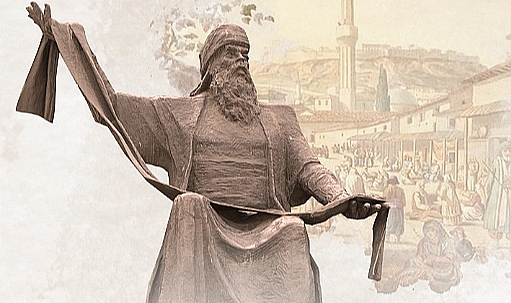
Bahçeli said Ahilik produced more than material value or capital and offered a holistic worldview centered on people and ethics. He said Ahilik principles could provide guidance in the face of ethical crises, quality problems and consumer rights violations in today’s business world. Bahçeli called for these human-centered values to be brought together again with modern management principles and carried into the working life of the future, and congratulated tradespeople and artisans on Ahilik Week.
Stay Updated with The Turkiye Times
Subscribe to be informed about special news, developments and announcements. We will keep you informed.
By signing up, you agree to our Privacy Policy














