- BIST10012,151-0.94%
- USD49.220.00%
- EUR55.21+0.28%
- GOLD4,194.50-0.52%
- INTEREST37.00%-1.00
- BITCOIN83,014-0.79%
- October 12, 202619°
- BIST10012,151-0.94%
- USD49.220.00%
- EUR55.21+0.28%
- GOLD4,194.50-0.52%
- INTEREST37.00%-1.00
- BITCOIN83,014-0.79%
- October 12, 202619°
MÜSİAD President Özdemir says medium-term program balances inflation and growth
MÜSİAD President Burhan Özdemir said they consider the Medium-Term Program more realistic and predictable than previous programs. Özdemir said a sharp decline should not be expected in the policy rate projected at 37 percent, and noted that new investments and markets are needed to achieve the $450 billion export target.


MÜSİAD President Burhan Özdemir discussed the economic agenda at the Finance Desk event organized with the contribution of the Istanbul Finance Center. Özdemir said they view the recently announced Medium-Term Program as more realistic, grounded and rationally planned than previous programs.
Özdemir said predictability comes before figures for the business world and noted that they welcomed the program's goal of reducing inflation within a specific timetable. He said maintaining the growth target during the same period requires careful planning of its effects on production, industry and supply.
Emphasis on production in the fight against inflation
Özdemir said production and industry should not be cooled while reducing inflation, adding that the disinflation process should not turn into a policy that weakens production capacity. He said sustainable economic conditions are important for achieving a lasting reduction in inflation and noted that price stability can become more sustainable as long as production continues.
Özdemir said the program envisages reaching a 5 percent growth target in several years and noted that the relationship between growth and inflation must be addressed carefully. According to Özdemir, the main goal is to create mechanisms that will protect production and growth while reducing inflation.
Cautious approach to interest-rate cuts
Özdemir said sharp and dramatic cuts in the policy rate should not be expected. He said lending rates are directly linked to inflation and described the difficulties faced by industrialists and the business community in accessing finance as a legitimate problem.
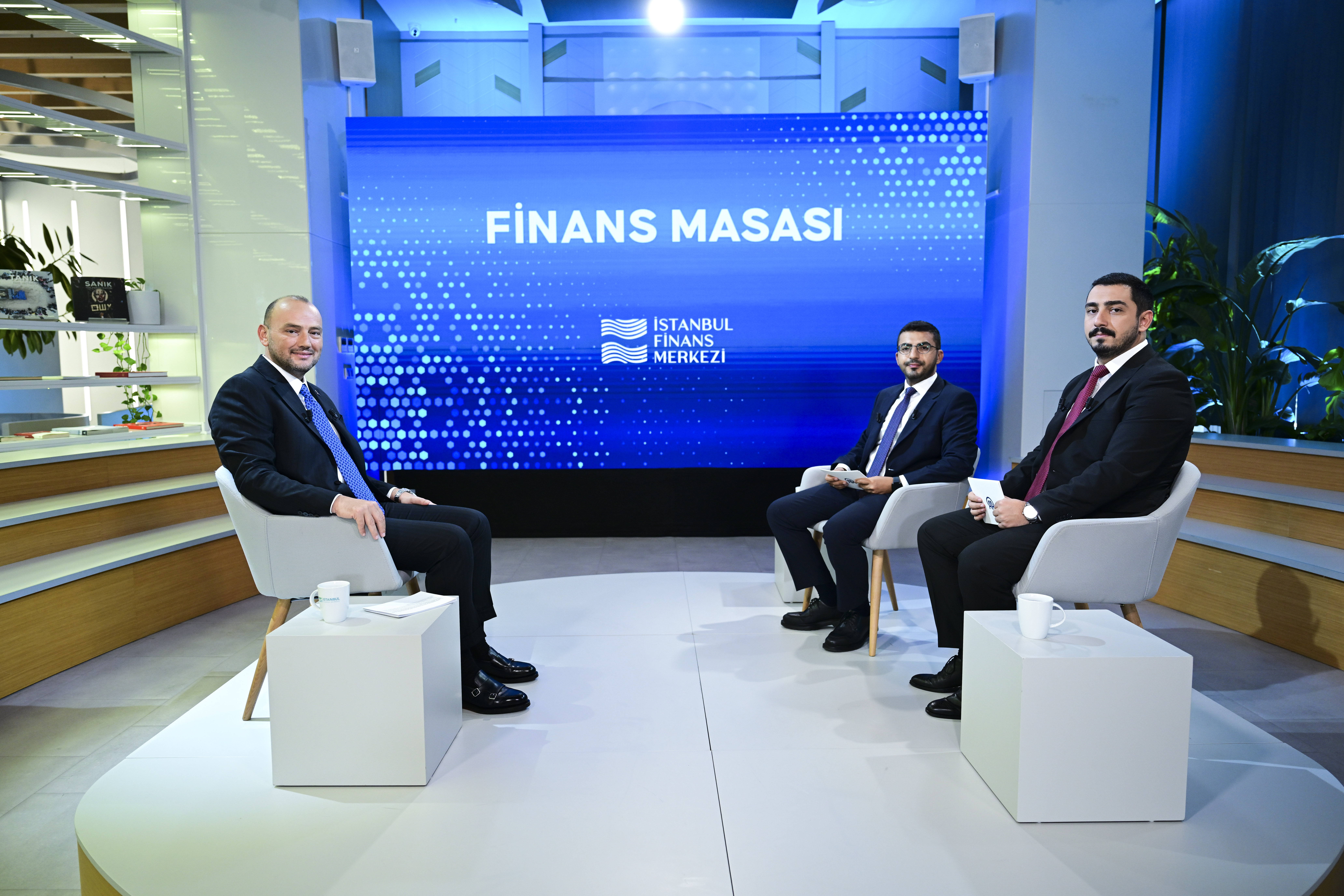
Özdemir said the policy rate projected at 37 percent can push borrowing costs close to 50 percent and noted that these costs are also reflected in the prices of products purchased by households. He added that lowering interest rates in an unplanned manner had not always increased production in the past, and said a cautious approach was needed to prevent cheap funding from flowing into idle areas instead of production.
Özdemir said Brent crude, projected at $88 in the program, had risen to $105-$107 within 10 days. He said a cautious approach to monetary policy and financing costs should continue because of geopolitical conditions. Özdemir said he believed the policy rate could decline to 33.5-34 percent by the end of the year if oil prices followed a more favorable course, but added that he did not expect a sharp decline of this scale.
Proposal to transform idle capacity
Özdemir said idle capacity in Türkiye has been one of the issues they have worked on for several years. He said changes in global supply chains and unplanned investments made in the past had contributed to the capacity problem. Özdemir noted that some large factories established 10-20 years ago had been unable to preserve their former competitiveness amid changing supply chains.
Özdemir said idle capacity can increase operating costs, causing productivity losses in products and putting pressure on prices, and described this as one of the causes of inflation. He noted that transforming capacity toward technology, artificial intelligence and different areas of production could create an opportunity for Türkiye.
Özdemir proposed establishing industry presidencies in areas directly affecting households, such as food and healthcare, similar to the model of the Presidency of Defense Industries. He said structures such as a Food Industry Presidency and a Health Industry Presidency could support sectoral clusters and allow public regulation in these areas to be carried out in a more focused manner.
Özdemir said idle capacity in strategic areas, including pharmaceuticals and pharmaceutical technologies, should be directed toward new clusters. He argued that the Ministry of Industry could be given stronger powers to prevent unplanned increases in facilities and capacity in certain sectors.
Search for new markets to meet the export target
Assessing the $450 billion export target in the Medium-Term Program, Özdemir said competitive pressure from China and contraction in the European market had created challenging conditions for exporters. He said geopolitical crises in Iraq, the Gulf countries, Russia and around Ukraine had also affected Türkiye's traditional trading areas, but described the increase in export volume as a significant achievement despite these challenges.
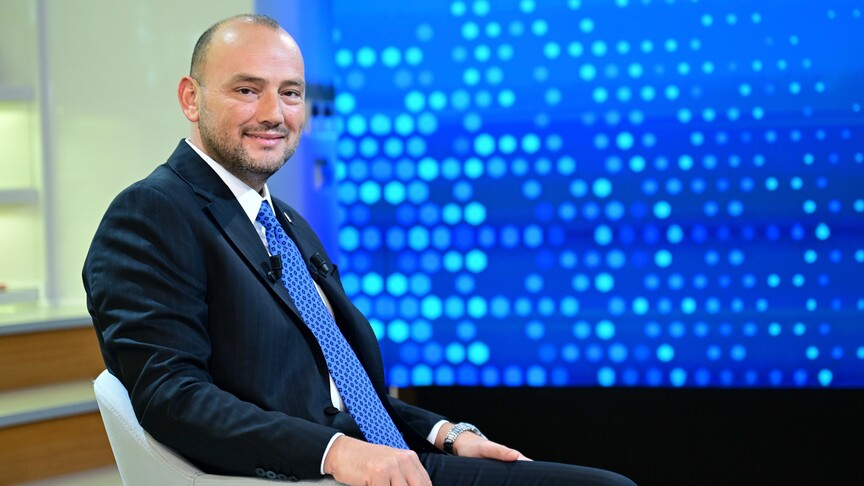
Özdemir said they are focusing on new market opportunities in Africa, the Middle East and the Turkic republics, in addition to new investments, to achieve the target. He said they plan to establish trade centers in Tanzania, Senegal and Ghana, and noted that they want to display members' products in free zones and planned centers in those countries to test their competitiveness.
Özdemir said they had encountered some agreement-related problems in trade plans extending through Djibouti to Ethiopia and Sudan, which was why they were focusing more on Tanzania. He said the same model was also being considered for the Turkic republics following their work in West Africa.
Özdemir said the Saudi Arabian market should regain importance and noted that the contracting and construction materials sectors could be more active in the country. He said they want to organize a program hosted by Saudi Arabia's Ministry of Housing and Ministry of Investment in December and take MÜSİAD-member businesspeople to the country.
Global uncertainty and energy costs
Özdemir said the European market remains important for Türkiye, adding that Europe's economic strength has declined and that it is necessary to monitor whether the recent positive purchasing managers' index data will prove lasting. He said geopolitical tensions can create new trade opportunities for Türkiye as well as risks.
Özdemir said Türkiye's energy deficit was $19 billion during the first three months of the Russia-Ukraine War, while it stood at $14 billion during the three-month period after tensions began in the Strait of Hormuz. He said the impact of energy prices and regional crises on the global economy was too heavy to be sustained for a long time.
Stay Updated with The Turkiye Times
Subscribe to be informed about special news, developments and announcements. We will keep you informed.
By signing up, you agree to our Privacy Policy

















