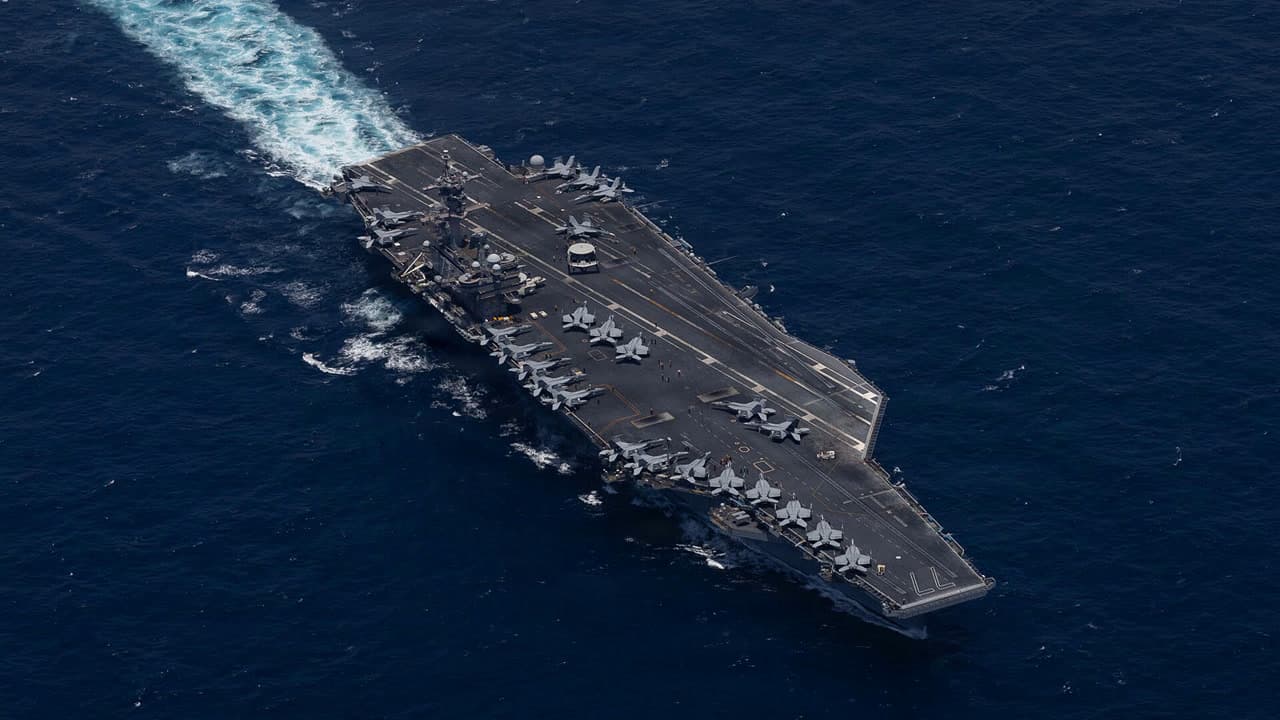
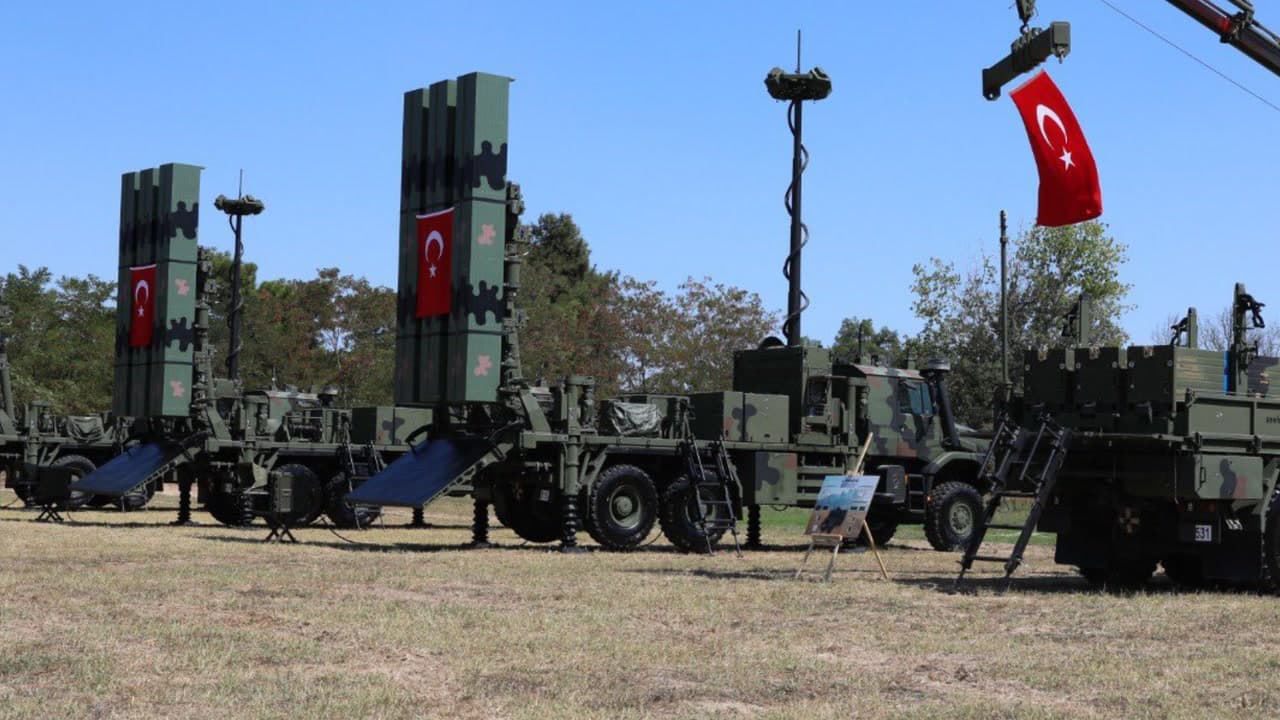
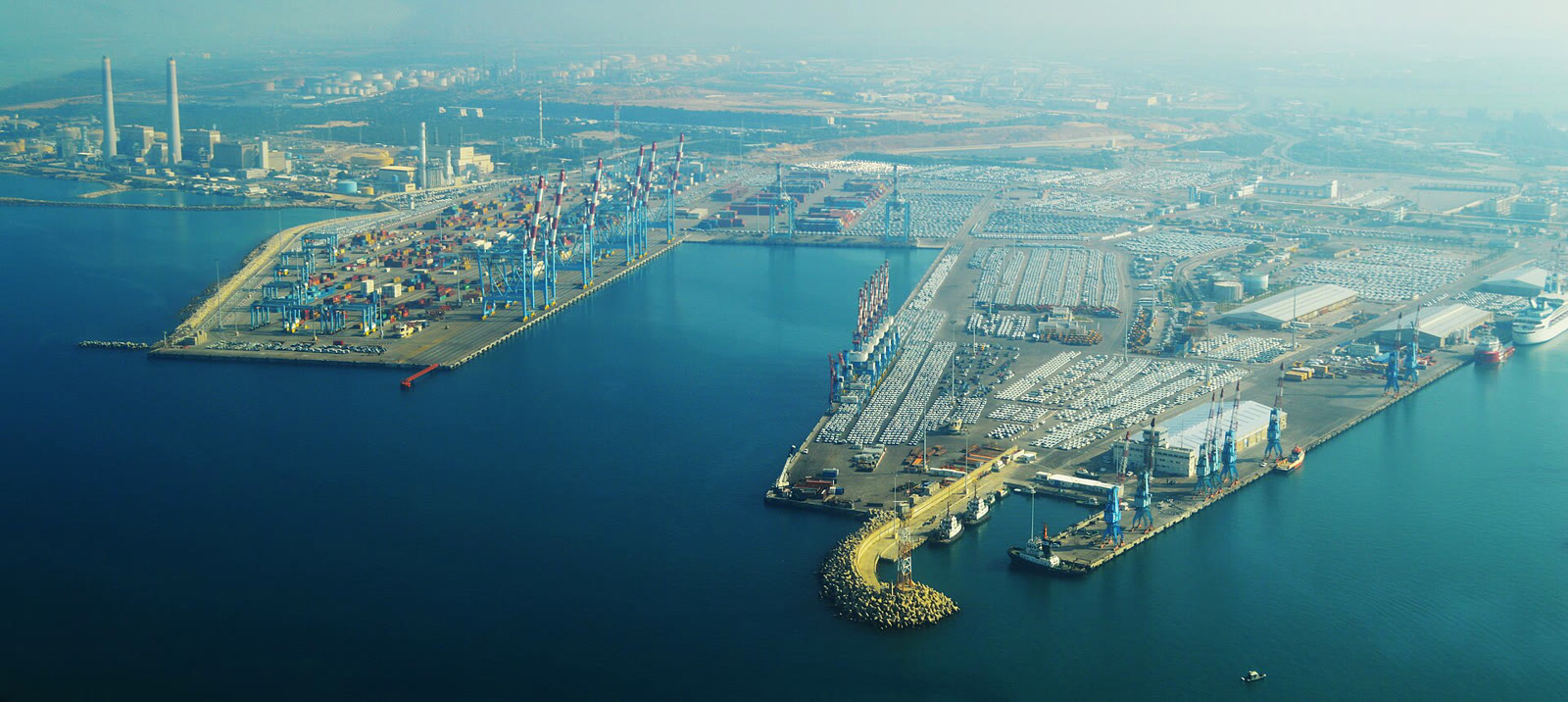
Israeli Prime Minister Benjamin Netanyahu met with Defense Minister Yisrael Katz and navy commanders at the Ashdod Naval Base, where he received a briefing.
Speaking after the meeting, Netanyahu cited the Strait of Hormuz and the Bab al-Mandab Strait as examples and argued that the maritime domain had effectively become an international war zone.
Calls for stronger naval capabilities
Netanyahu claimed that Israel's maritime areas in the Mediterranean, its ports and its sea traffic were under threat, and said security officials had told him that more equipment was needed.
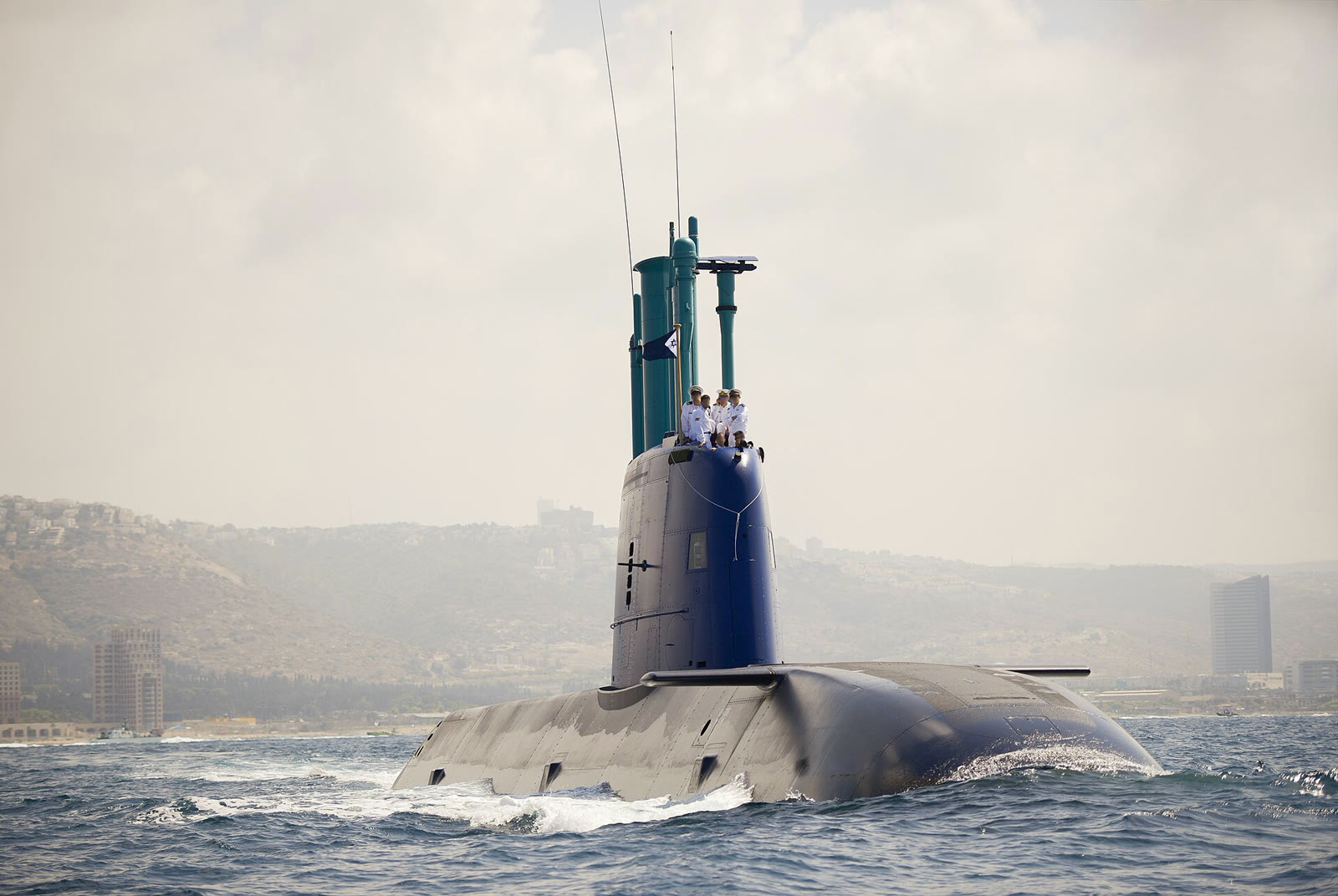
Netanyahu said the sixth submarine had arrived in Israel, adding that more submarines were wanted, along with more ships and other naval craft whose details he did not wish to disclose.
The Israeli prime minister argued that Israel would be protected from the sea both underwater and on the surface.
Claims about the submarine fleet
It was alleged that Israel was closely monitoring the Turkish Naval Forces' growing strength in the submarine domain and was preparing to expand its submarine fleet with new German-built, technologically advanced vessels.
In this context, it was alleged that Türkiye had 14 operational submarines and planned to increase that number to 18, while Israel had six submarines. It was also alleged that Israeli defense officials had recommended increasing the fleet to eight submarines.
U.S. military presence in the region
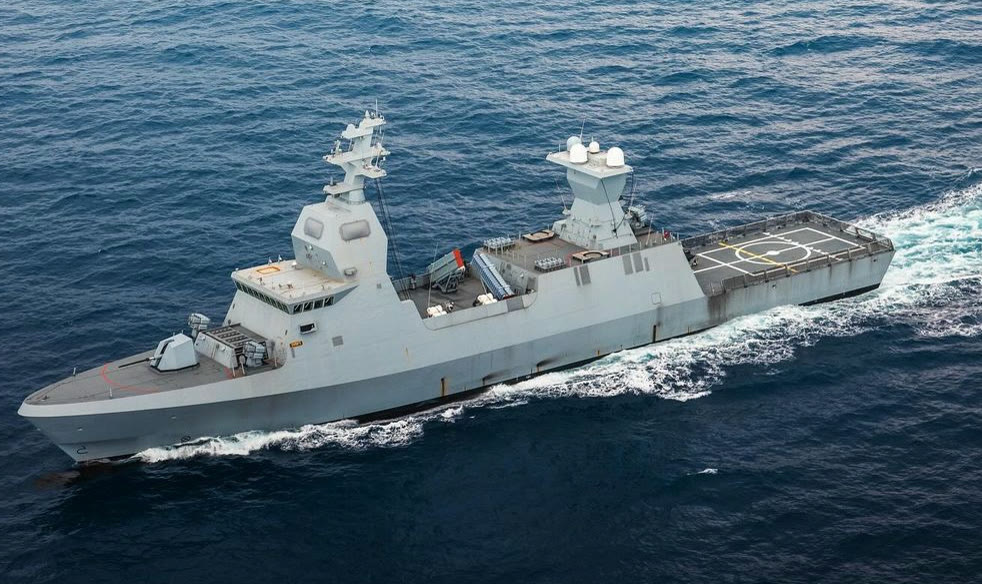
The U.S. military was alleged to have approximately 3,000 troops stationed in various parts of Israel, serving in air defense, piloting, support, logistics and military headquarters roles.
Routine personnel rotations were being carried out as the deployment periods of some units in the region came to an end, while additional troops and aircraft were expected to be sent to Israel in the coming weeks in preparation for possible tensions in the Middle East.
The Israeli military has continued preparations for a possible new conflict with Iran or a rapid escalation in the region, including work on potential targets in Iran in the event of a possible large-scale conflict.
Military coordination between Israel and U.S. Central Command has continued under various scenarios, including possible missile attacks from Iran. Claims have also emerged that the United States was strengthening its military presence in the Middle East amid rising tensions and deploying additional troops and naval assets to the region.
Netanyahu's statement on preparations for an attack
Netanyahu had previously claimed, ahead of the general election scheduled for October 27, that preparations were underway for an external attack against Israel and that he had received indications to that effect.
Netanyahu did not provide details about who might launch the attack, while the opposition described the statement as a political maneuver. Israeli Chief of Staff Eyal Zamir also canceled a planned visit to the United States because of the security situation in the country and the army's placement on high alert across all fronts.