This year's Pre-COP meeting, held ahead of the United Nations climate summits, took place in Fiji and Tuvalu. Ministers and negotiators from more than 50 countries attended the talks, held from Oct. 5 to 8 under the joint hosting of Fiji, Tuvalu and Australia.
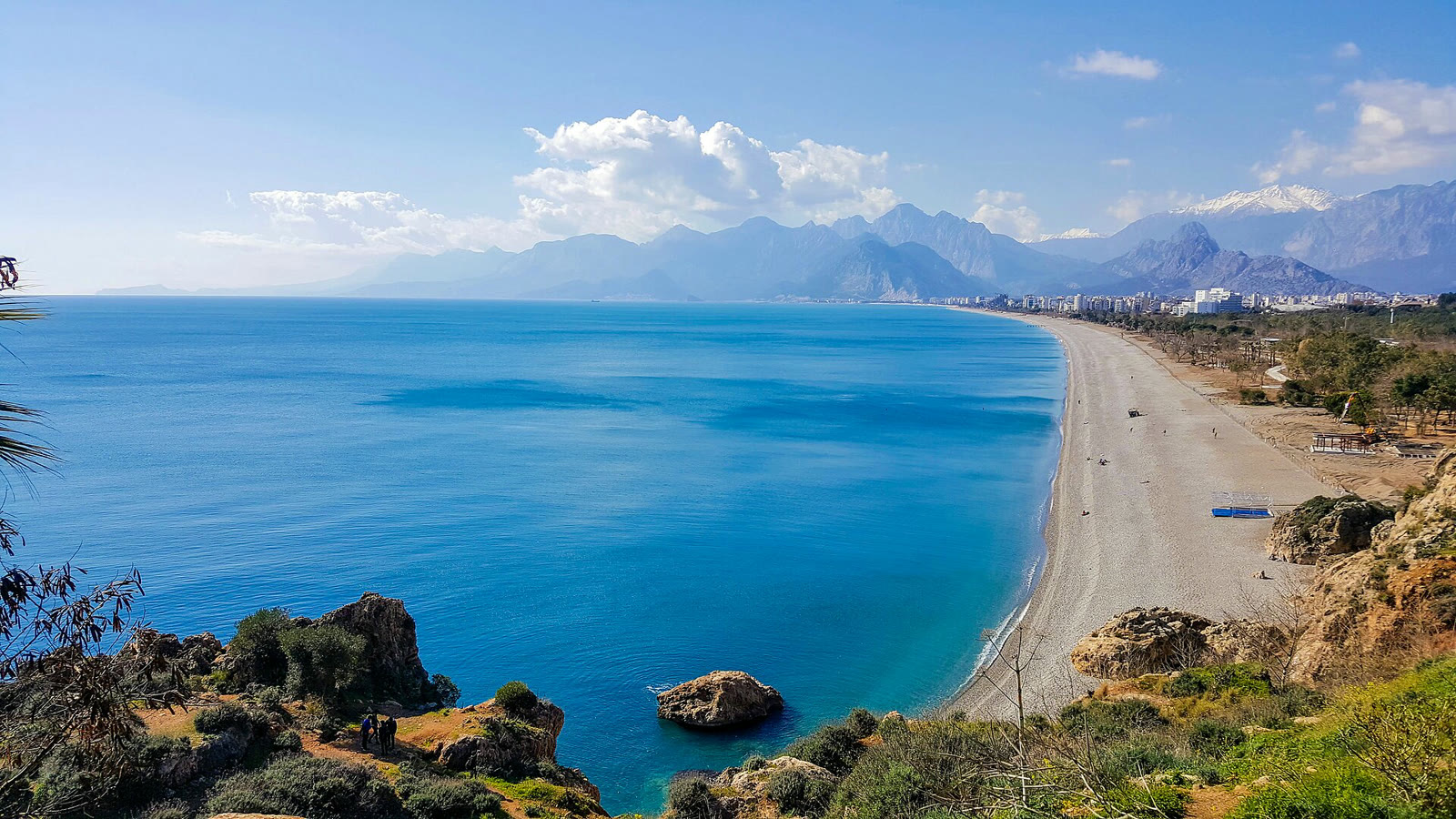
The main agenda was shaping draft decisions and diplomatic priorities ahead of COP31 in Antalya. The discussions focused on the electrification target, a just transition mechanism, adaptation finance and Pacific countries' demand for access to financing.
The talks in Fiji did not produce a binding text that would predetermine the agreements in Antalya. However, the meeting highlighted the issues expected to come before COP31 and the expectations of Pacific countries from the summit.
Consensus on an umbrella decision
Chris Bowen, Australia's Minister for Climate Change and Energy and President of the COP31 negotiations, announced on Oct. 7 that Australia and Türkiye had agreed to prepare an umbrella decision under the leadership of the presidencies. The umbrella decision will carry the summit's political message and be submitted to the parties for approval.
Although the method for preparing the text has been clarified, its content remains largely open. The COP31 presidency has positioned the summit as an "implementation COP" and listed increasing electricity's share of final energy consumption to 35 percent by 2035 among its targets.
Mobilizing countries that have not yet submitted their 2035 nationally determined contributions, as well as increasing the just transition mechanism and adaptation finance mentioned in the letter sent to the parties by the co-presidencies, are also among the priorities.
Which sources will provide the electricity for the electrification target will be one of the key issues in the negotiations. The pledge draft announced in September does not require electricity to be generated from clean sources, while some countries are calling for the target to be defined in terms of clean electricity.
On financing, a new commitment of approximately $15 million to the Pacific Resilience Facility was announced at the meeting in Fiji. However, the fund's total resources have not reached half of the $500 million target set for COP31.
Pacific countries set out their expectations in a declaration
Holding the meetings in Fiji and Tuvalu placed the effects of the climate crisis in the Pacific at the center of the negotiating agenda. Tuvalu's average elevation is estimated at approximately two meters above sea level, leaving the country exposed to coastal flooding and climate-related risks.
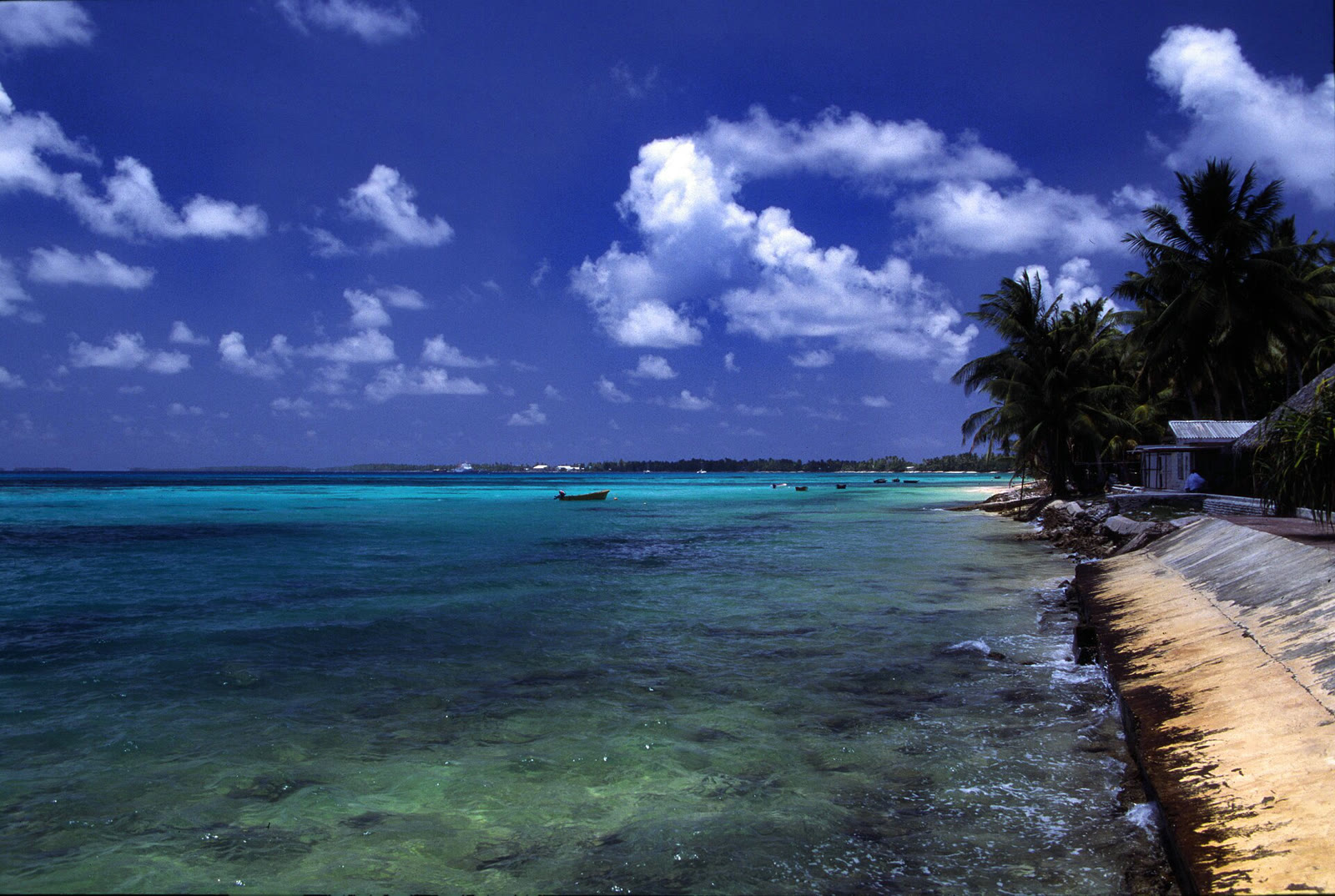
It took eight years to implement a coastal adaptation project supported by the Green Climate Fund and visited by the leaders. The example demonstrated that Pacific countries expect financing not only in terms of volume but also in terms of how quickly projects can be implemented.
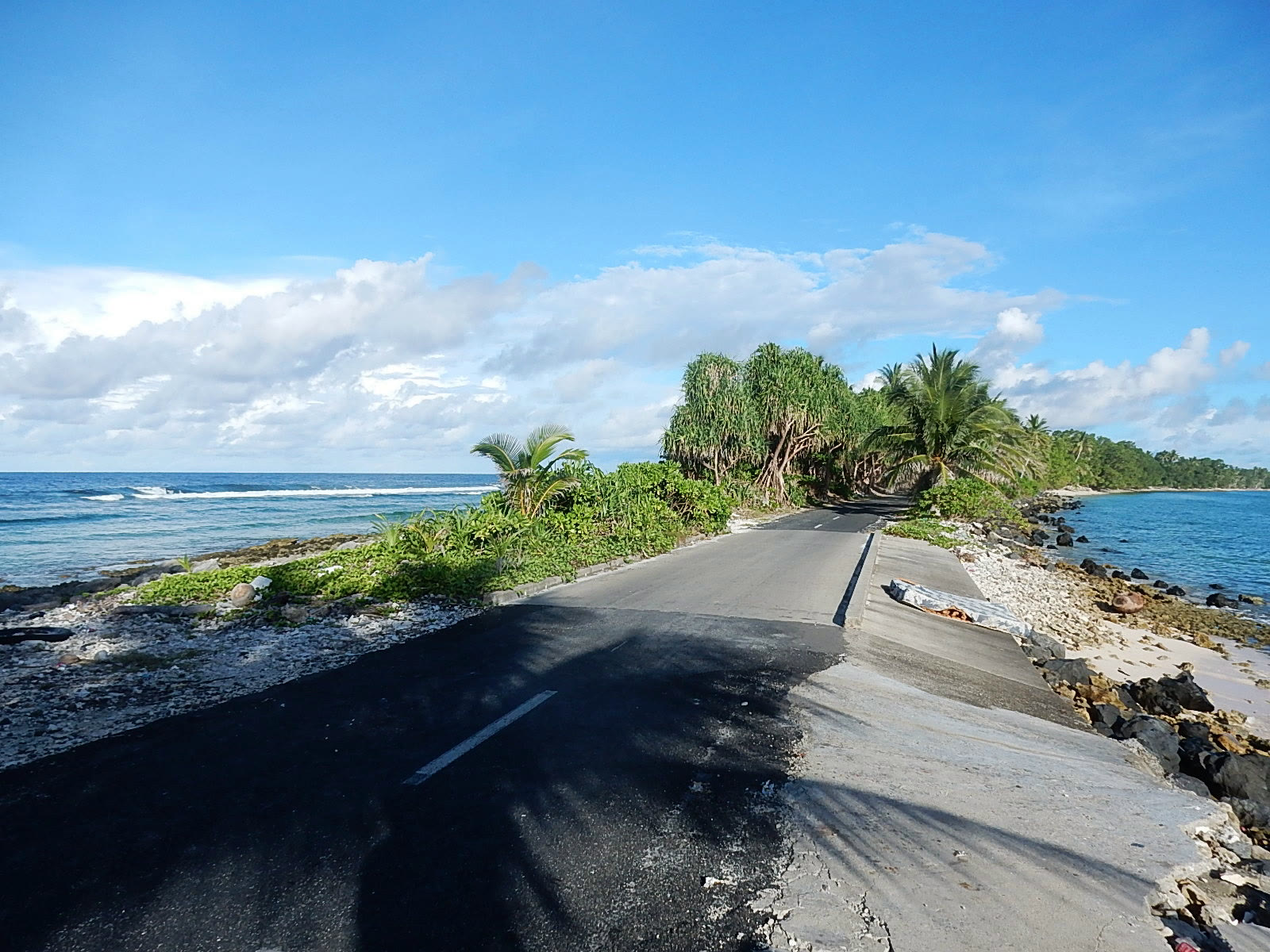
Fiji Prime Minister Sitiveni Rabuka called for the success of climate policies to be assessed through Tuvalu's future. Rabuka said that within five years, the focus should be on support to expand Tuvalu's coastal protection, while within 10 to 20 years, it should be on whether roads have been built and the land has remained dry.
The Taku Pakasoa Declaration, supported by 26 countries and regions, including Türkiye and Australia, calls for accelerating action to preserve the 1.5-degree target, for countries that have not submitted their 2035 nationally determined contributions to take that step, and for a just, orderly and equitable transition away from fossil fuels.
The non-binding declaration serves as a call to action rather than a negotiating text. Pacific countries are defining their expectations from COP31 through concrete outcomes such as coastal protection, transport and land usability, rather than abstract targets.
Türkiye's financing initiative
The Climate Implementation Bridge initiative announced by the COP31 presidency on Sept. 24 aims to help countries turn their climate and development goals into projects capable of attracting financing. The initiative's first five pilot countries were announced as Ethiopia, Fiji, Indonesia, Pakistan and Uzbekistan, with the United Nations Development Programme serving as its implementation partner.
Fiji's inclusion among the pilot countries is significant in terms of Pacific countries' demands regarding access to financing and the slowness of bureaucratic processes. Palau President Surangel Whipps compared the slow bureaucratic process required for aid to the way a hole in a sinking canoe grows while people wait.
The initiative's success will be assessed by whether it can shorten the process between climate plans and projects ready for financing. If the umbrella decision at COP31 uses language aligned with the Taku Pakasoa Declaration on electrification and financing, the support given to Pacific countries could produce a concrete result.
More than 50 world leaders were invited to the Pre-COP meeting, but only two leaders from outside the Pacific attended. Despite this, the demands of Pacific countries were placed on record, and Türkiye supported those demands.
At COP31 in Antalya, the central question will be how much the gap between climate targets and implementation can be closed. For Pacific countries, the ultimate measure will be whether the decisions taken translate over the years into the protection of coasts, roads and agricultural land in countries such as Tuvalu.
















