The fourth main runway, designed to increase Istanbul Airport’s capacity and operational flexibility, was opened at a ceremony attended by President Recep Tayyip Erdoğan.
The first flight from the new runway took place after the opening ceremony. President Erdoğan spoke with the aircraft’s pilots by radio and authorized the takeoff.
The first aircraft took off from the new runway
The first flight from Istanbul Airport’s fourth main runway took place after the opening ceremony.
President Erdoğan established a radio connection with the pilots of the aircraft waiting to take off on the runway. The aircraft departed from the new runway after the conversation.
Total number of runways rises to six
With the new runway entering service, another runway was added to Istanbul Airport’s three main and two backup runways, bringing the total to six.
The new runway was built as a concrete runway measuring 2,820 meters in length and 45 meters in width.
The new infrastructure, which is Istanbul Airport’s first east-west runway, is intended to provide the airport with greater flexibility under different weather and operational conditions.
Taxiing and waiting times expected to decrease
The new runway is expected to shorten aircraft taxiing times, particularly for domestic and eastbound flights.
This is intended to reduce the time aircraft spend on the ground, generate fuel savings and make flight operations more efficient.
The runway is also intended to expand operational options in adverse weather conditions and contribute to on-time departure performance.
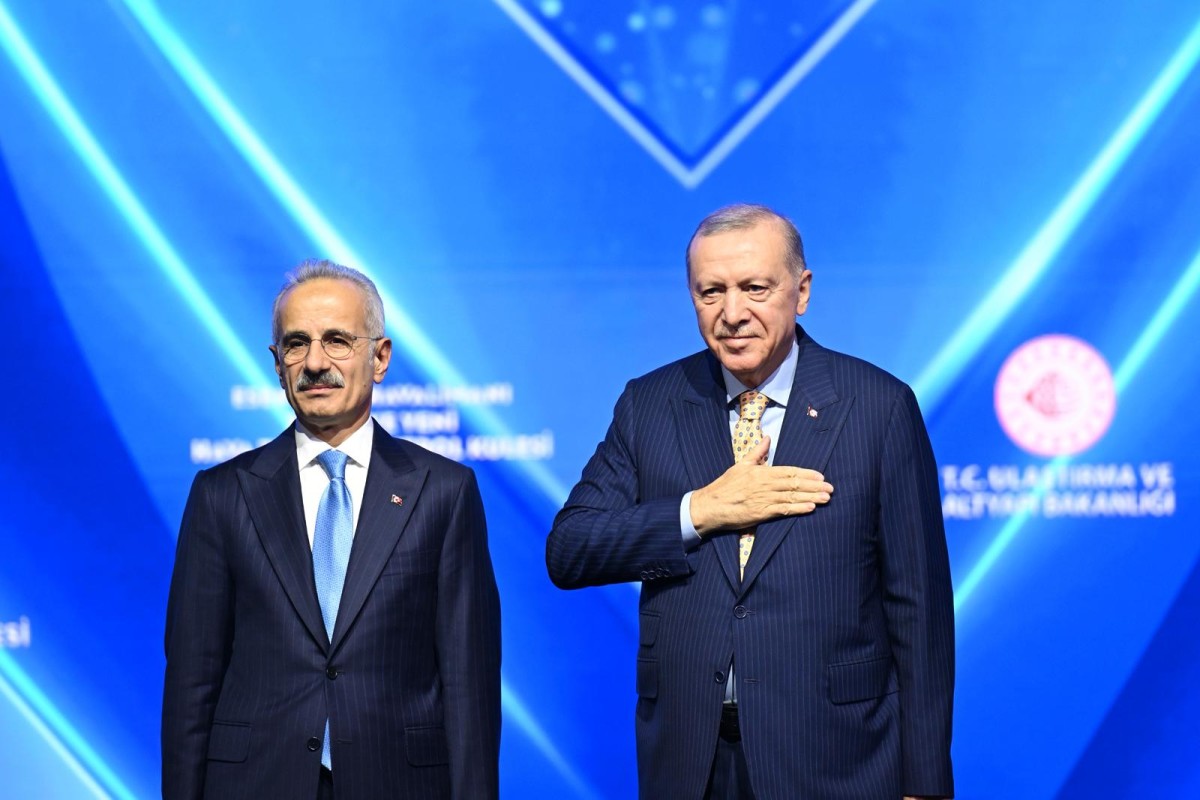
Erdoğan: The runway will make an important contribution to Istanbul Airport
Speaking at the opening ceremony, President Erdoğan said the fourth main runway and additional investments would contribute to Istanbul Airport’s global connectivity capacity.
Erdoğan said the new investments would reduce taxiing and waiting times and provide fuel and time savings during landing and takeoff operations.
A new era at Istanbul Airport
With the new runway entering service, Istanbul Airport’s infrastructure capacity available for flight operations has expanded.
Officials aim for the investment to strengthen the airport’s position as a hub in international air transport and enable it to serve increasing passenger and flight traffic more efficiently.