- BIST10012,151-0.94%
- USD49.220.00%
- EUR55.21+0.28%
- GOLD4,190.90-0.60%
- INTEREST37.00%-1.00
- BITCOIN82,317-1.62%
- October 12, 202619°
- BIST10012,151-0.94%
- USD49.220.00%
- EUR55.21+0.28%
- GOLD4,190.90-0.60%
- INTEREST37.00%-1.00
- BITCOIN82,317-1.62%
- October 12, 202619°
Radio burst from when the universe was 3 billion years old reaches Earth
Astronomers have used the James Webb Space Telescope to trace FRB 20240304B, the most distant fast radio burst yet seen, to a small, rapidly star-forming dwarf galaxy, after its signal traveled more than 10 billion years to Earth.


Astronomers have detected a fast radio burst (FRB) that left its source when the universe was just 3 billion years old and traveled more than 10 billion years to reach Earth. Designated FRB 20240304B, it is the most distant and earliest FRB seen to date.
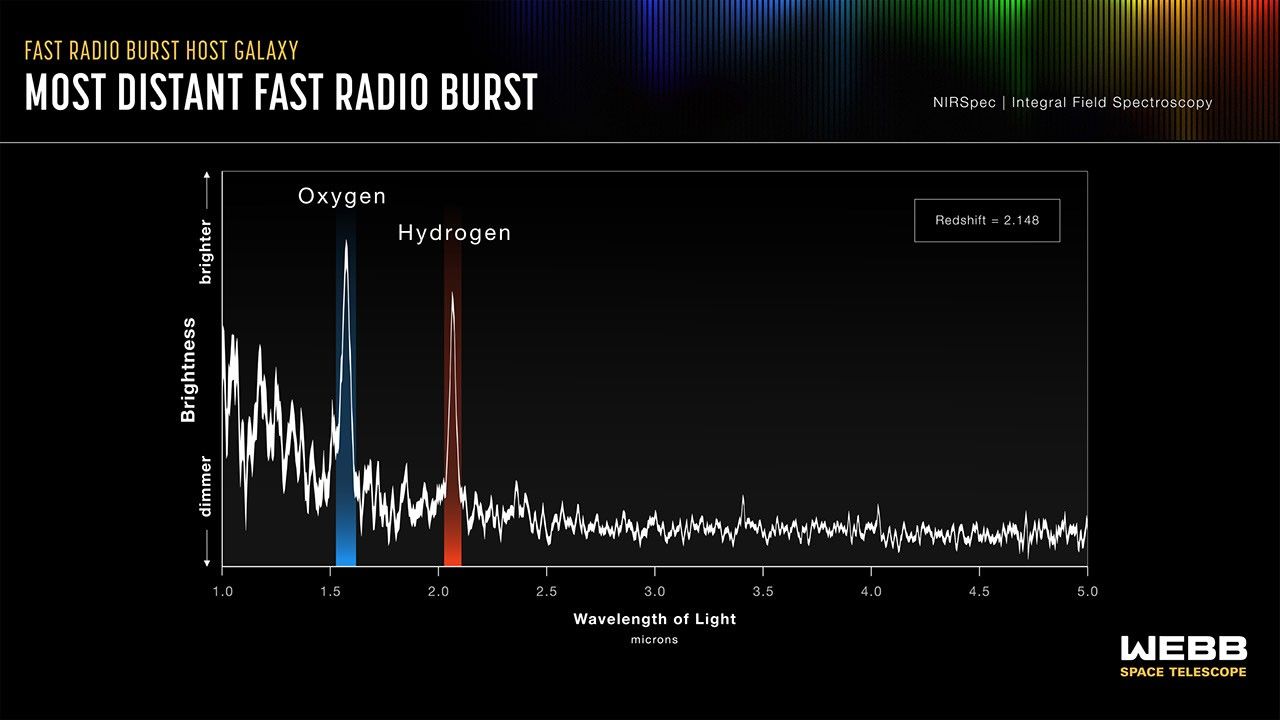
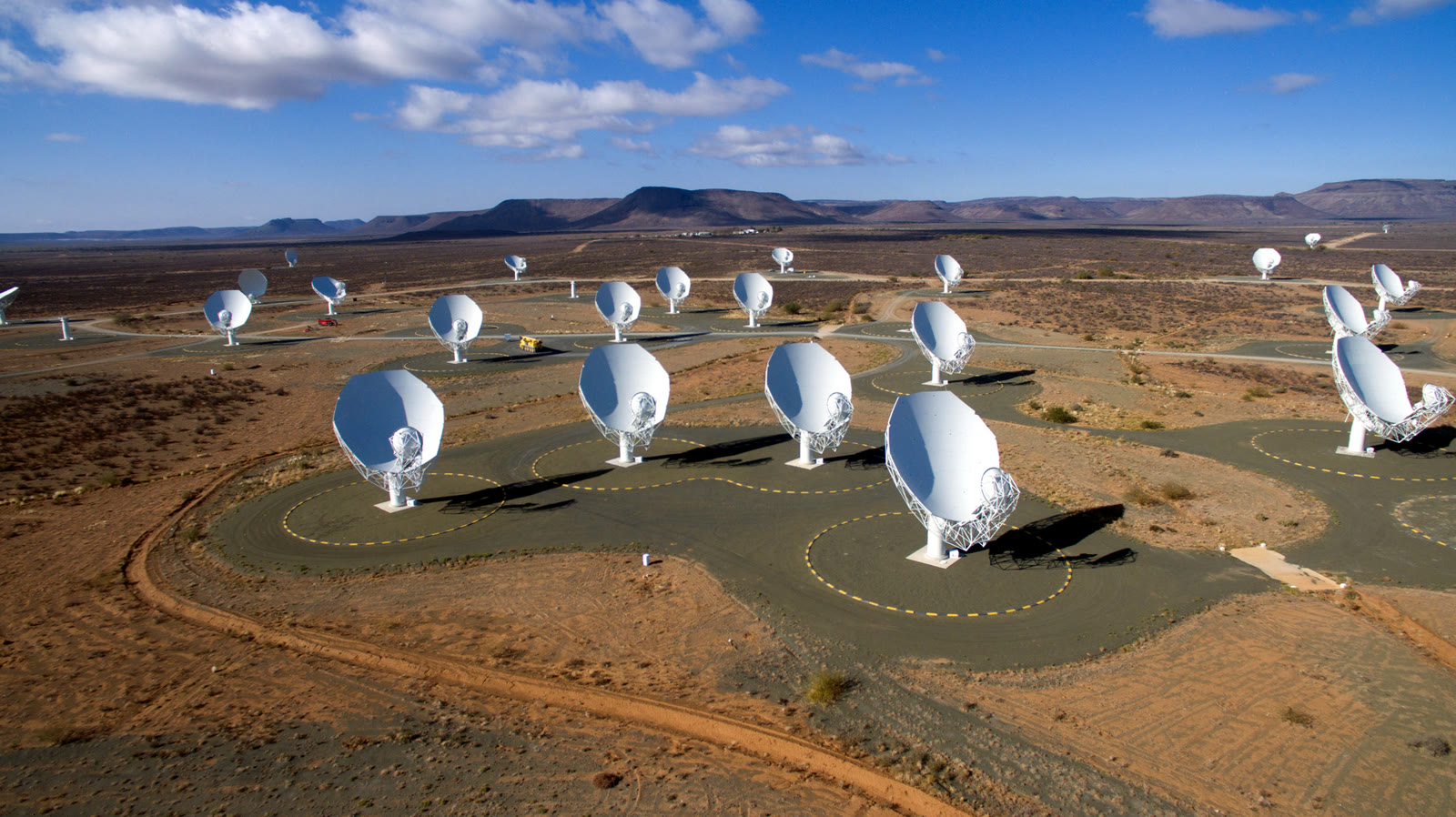
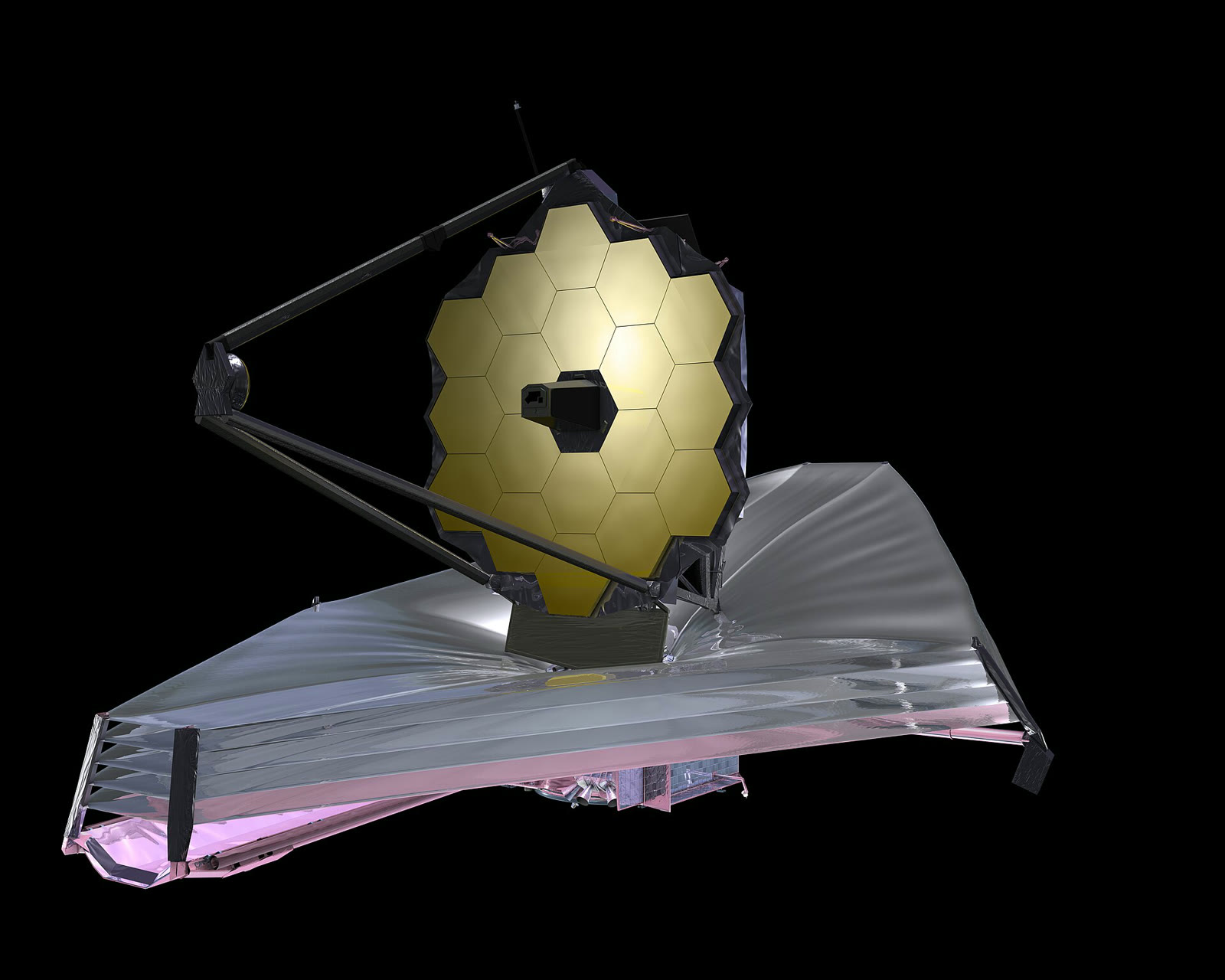
The MeerTRAP team caught the burst on March 4, 2024, with the MeerKAT radio telescope in South Africa. Although its position was pinned down precisely, the largest ground-based telescopes saw no galaxy there, so the team turned to NASA’s James Webb Space Telescope. Webb’s NIRCam found a galaxy at the spot, and NIRSpec measured its redshift at 2.148.
"A little dwarf galaxy"
"We thought it would be a big, nicely formed galaxy with lots of stars, and instead it was a little dwarf galaxy, although it was actively forming stars," said lead author Manisha Caleb of the University of Sydney, whose study was published in Science. The galaxy is about 1,000 times less massive than expected, and most of its stars may have formed within just 30 million years.
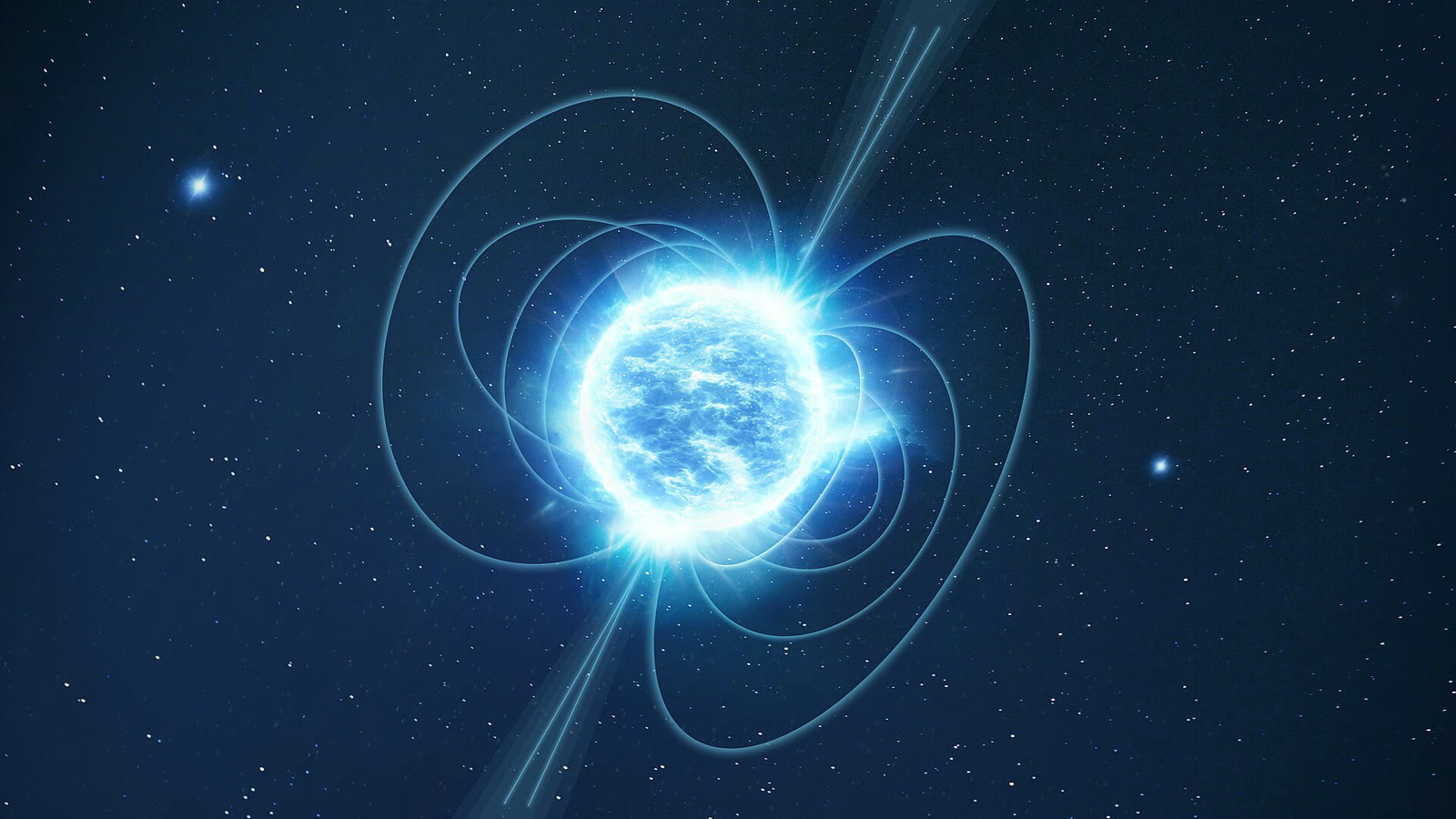
That matters for the origin of FRBs. If they came from merging neutron stars, a process that takes billions of years, they would turn up in older galaxies. A young host instead favors magnetars, highly magnetic young neutron stars left behind by supernovas. "Our work suggests that it’s very unlikely that this FRB was produced by a merger," Caleb said.
A cosmic flashlight
"A fast radio burst is almost like a cosmic flashlight. It lights up everything along the path," said co-author J. Xavier Prochaska of UC Santa Cruz. The team found imprints of a previously unknown galaxy cluster about 3.5 billion light-years away and of the Virgo Cluster, 54 million light-years from Earth.
First discovered in 2007, fast radio bursts can release in milliseconds as much energy as the Sun emits over months or years, and most are seen only once. The team expects MeerKAT to localize several FRBs a year at redshifts above 1, with Webb key to studying their host galaxies.
Stay Updated with The Turkiye Times
Subscribe to be informed about special news, developments and announcements. We will keep you informed.
By signing up, you agree to our Privacy Policy