- BIST10012,151-0.94%
- USD49.220.00%
- EUR55.21+0.28%
- GOLD4,190.90-0.60%
- INTEREST37.00%-1.00
- BITCOIN82,317-1.62%
- October 12, 202619°
- BIST10012,151-0.94%
- USD49.220.00%
- EUR55.21+0.28%
- GOLD4,190.90-0.60%
- INTEREST37.00%-1.00
- BITCOIN82,317-1.62%
- October 12, 202619°
Saturn at opposition: How to see the ringed planet at its brightest
Saturn reached opposition on Oct. 4, rising in the east at sunset and remaining visible all night.
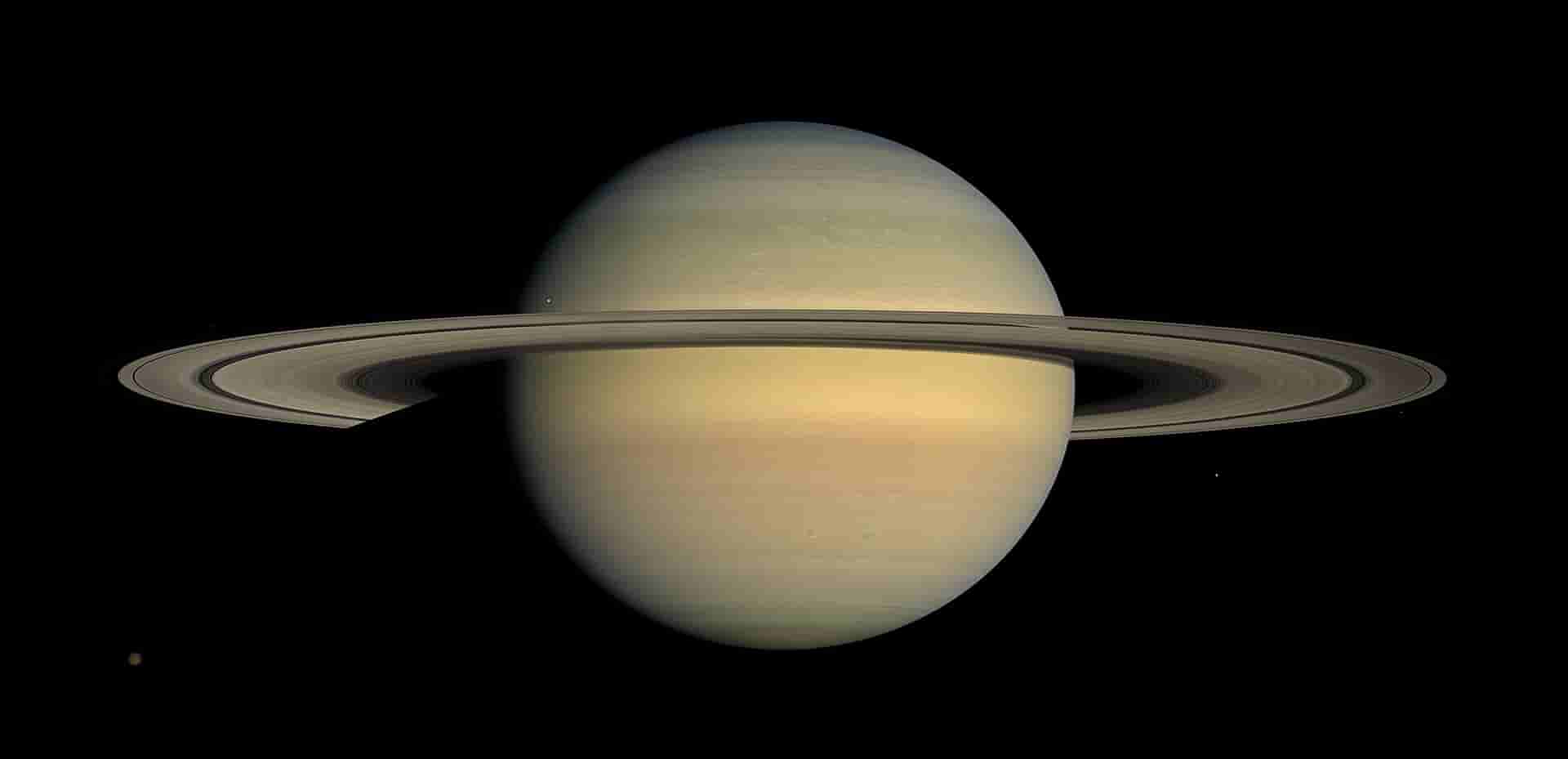
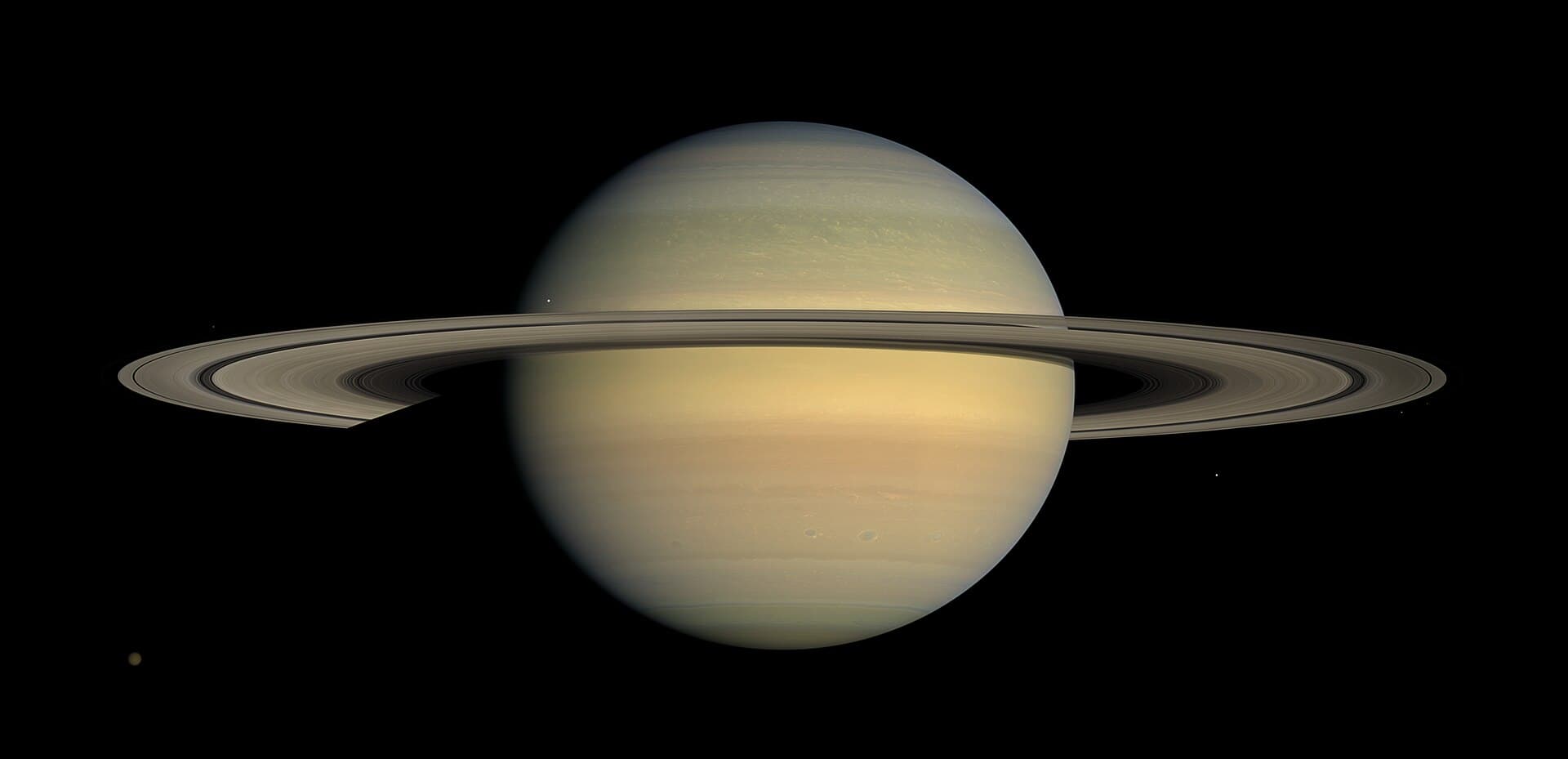
Saturn reached opposition on Oct. 4 at 8:29 a.m. EDT (12:29 GMT), when Earth passes directly between the Sun and the ringed planet. At about 784 million miles (1.26 billion kilometers) away, Saturn is relatively close to Earth by cosmic standards and appears at its brightest for the year.
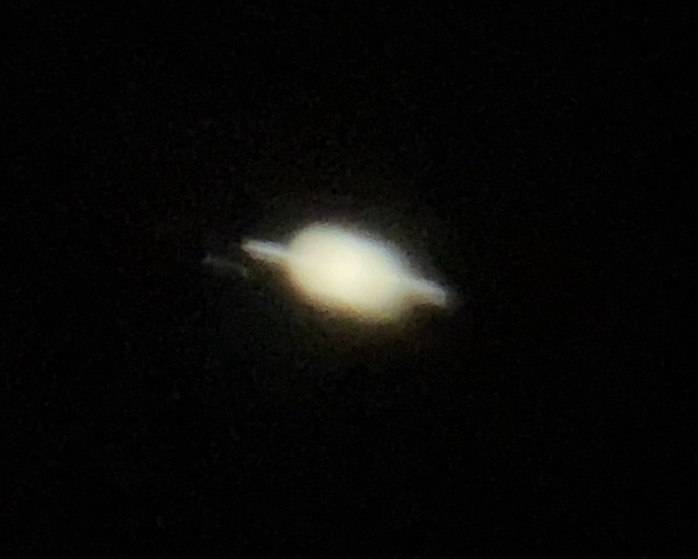
Around opposition, Saturn rises in the east at sunset and stays visible for much of the night, shining at a magnitude of about 0.3 — comparable to some of the brightest stars. It currently lies in the constellation Cetus.
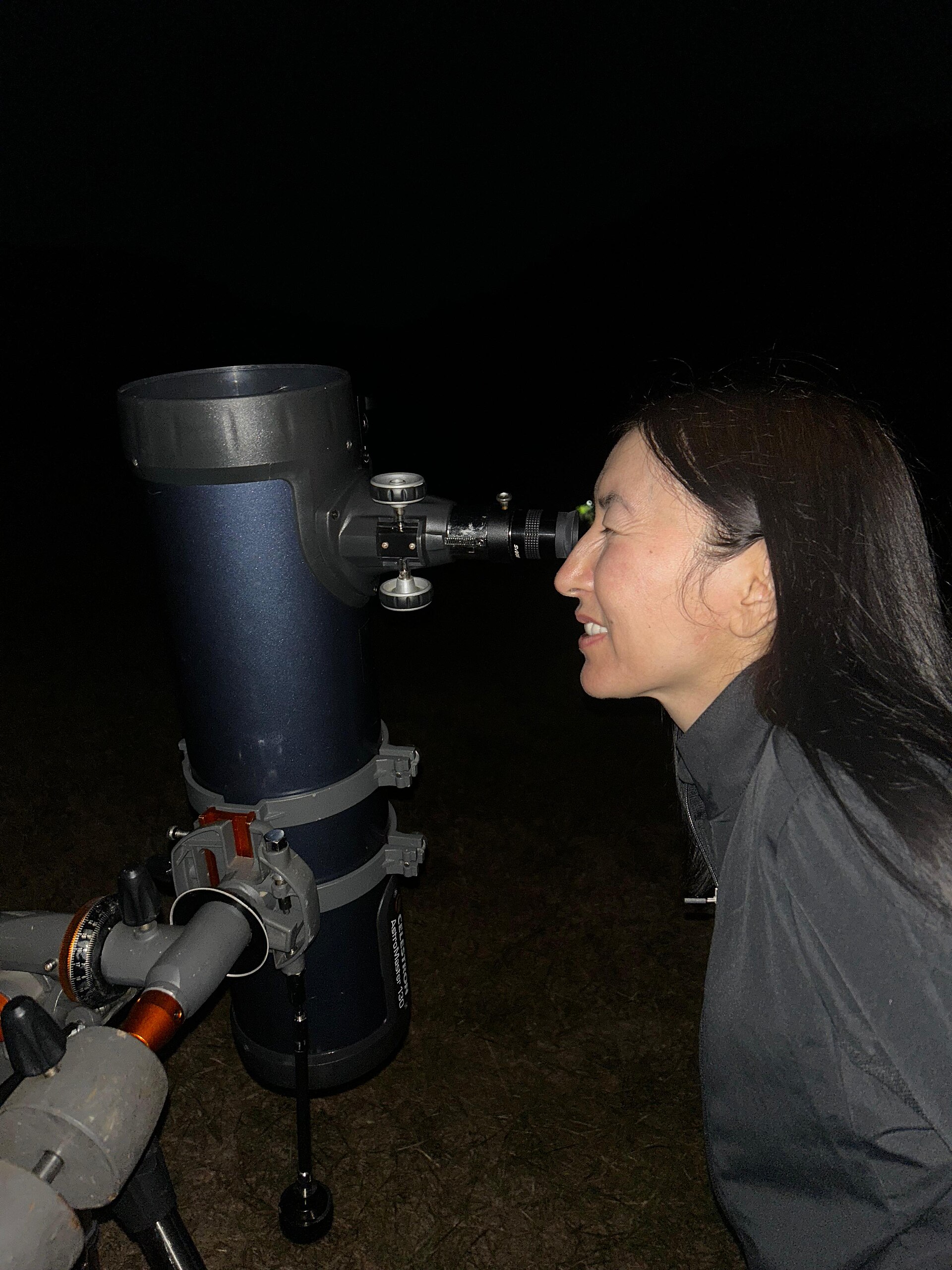
No telescope needed to spot it
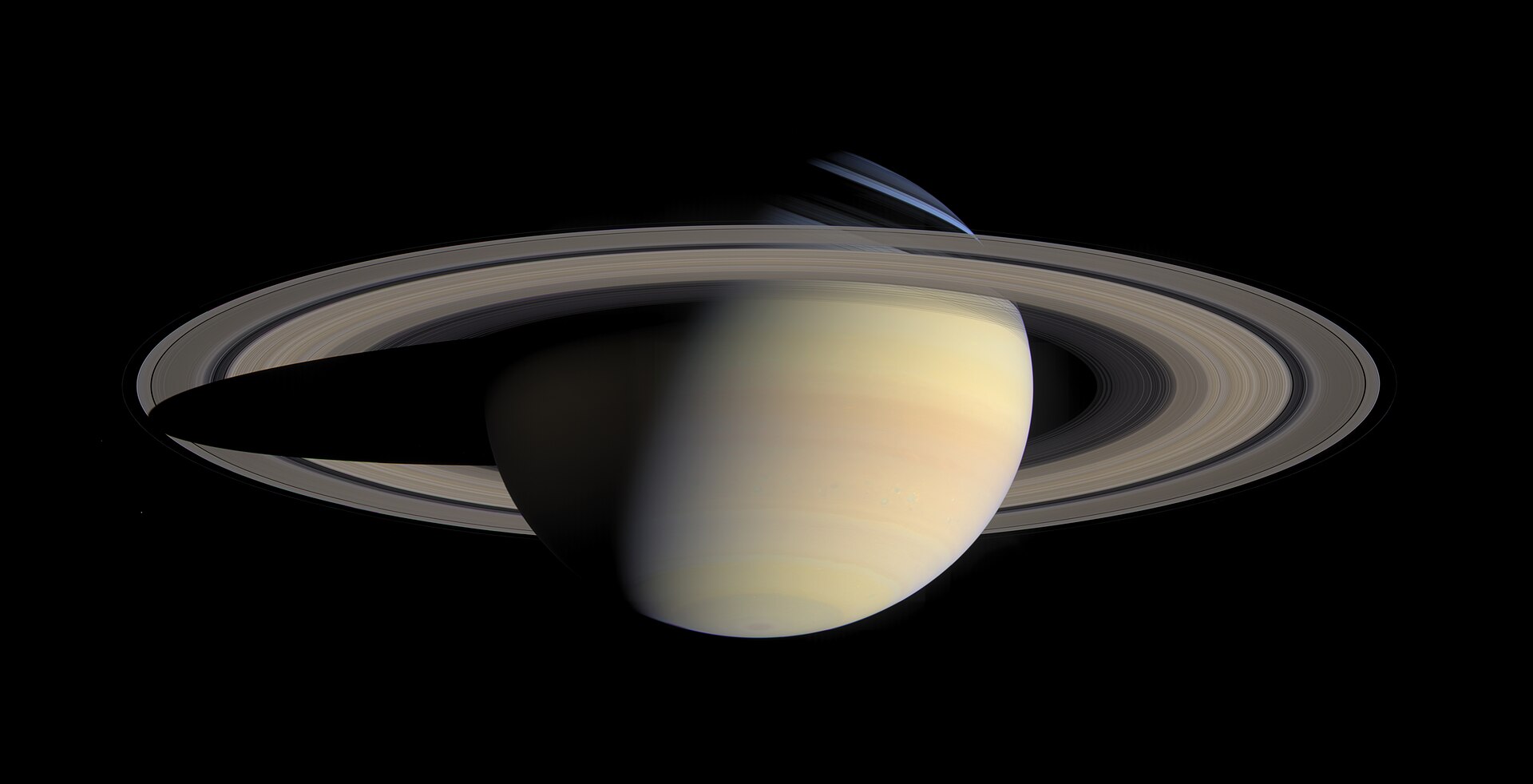
No telescope or binoculars are needed to find Saturn: to the naked eye it looks like a bright, steady point of pale yellow light that does not twinkle like a star. To see its rings, however, even a small telescope is required. The days following opposition also offer good viewing; observers are advised to look from dark sites away from city lights.
Stay Updated with The Turkiye Times
Subscribe to be informed about special news, developments and announcements. We will keep you informed.
By signing up, you agree to our Privacy Policy