Silivrikapı, located on Istanbul’s historic land walls stretching from Sarayburnu toward Edirne, played an important role in the city’s defense, trade and daily life from the Byzantine period through the Ottoman era. The Bozdoğan mace displayed on the gate’s walls also preserves traces of an Ottoman tradition and the memory of a soldier.
It took its name from the route to Silivri
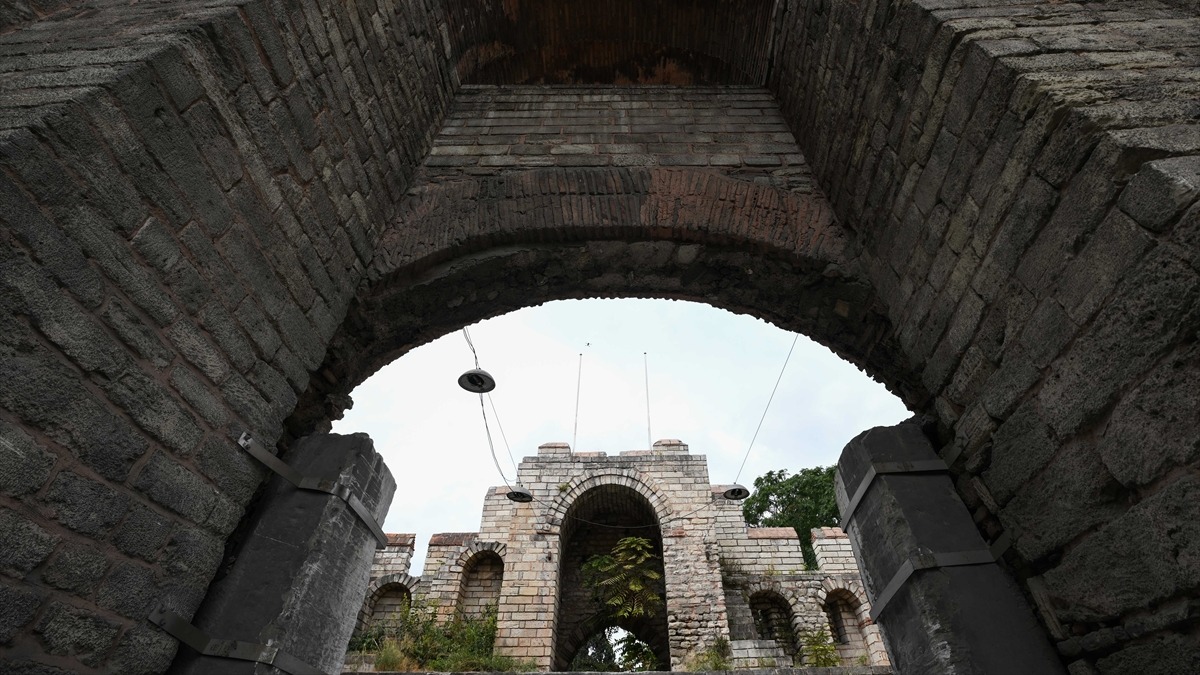
Silivrikapı stands on the Theodosian Walls, built in 413 during the reign of Emperor Theodosius. One of Istanbul’s important western gateways, the gate took its name from its location along the route leading to Selymbria, known today as Silivri.
The gate was known as the Pege Gate during the Byzantine period. The name is said to have been linked to the nearby Balıklı Spring, while the name Silivri Gate began to be used as the route toward Silivri gained importance in the late Byzantine period.
It was important to Byzantine defense and the city’s trade
Silivrikapı was part of a double-wall system consisting of a lower outer wall facing the outside and a higher inner wall surrounding the city. The gate was not only a passage for entry and exit but also an important element of the city’s defensive system.
Art historian Prof. Dr. Kadir Pektaş noted that the gate also witnessed an important event during the restoration of Byzantine rule over Istanbul. After the Latins seized Istanbul in 1204, Byzantine forces recaptured the city in 1261, and their commander, Alexios Strategopoulos, entered Istanbul through Silivrikapı.
The gate continued to be used during the Ottoman period, when the entry and exit of people and commercial goods were controlled there. Located along the route used by products arriving in Istanbul from Rumelia, Silivrikapı became a center of commercial activity as well as serving a military function. The hours when the gates were open and closed also helped regulate the city’s daily life.
The mace preserves the memory of Pehlivan İdris
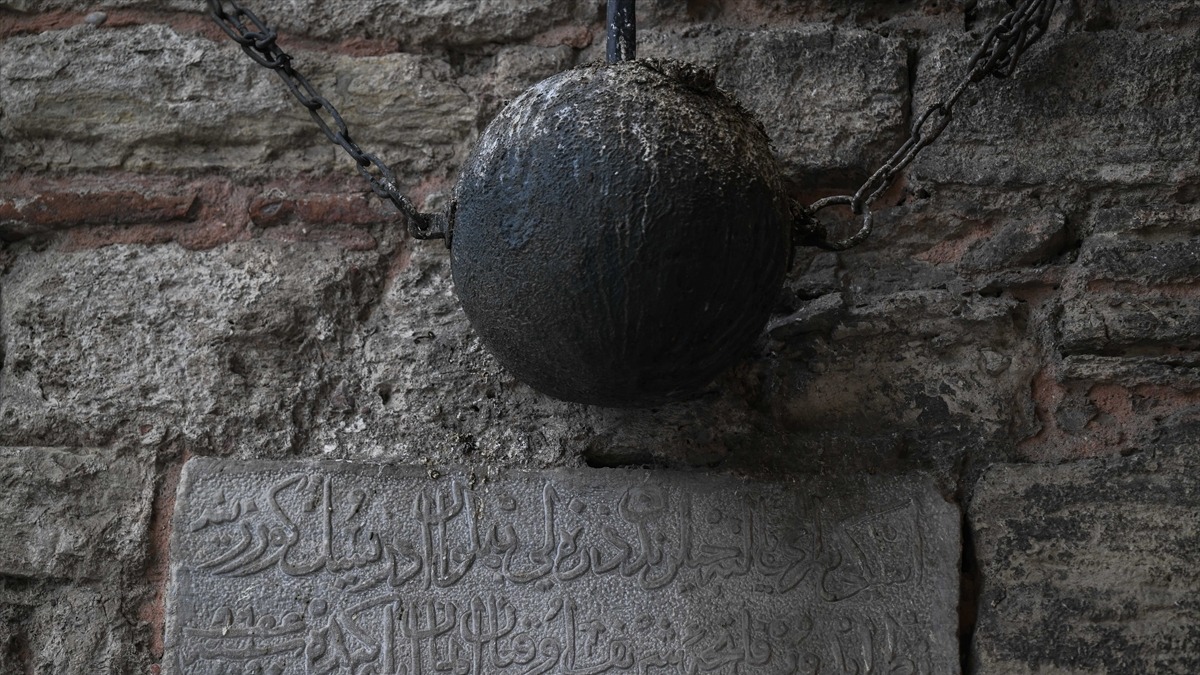
During the Ottoman period, the maces of successful soldiers were hung on city gates both to recognize their military achievements and to preserve their memory. The mace at Silivrikapı, one of these weapons used in close combat, became known by the name of Pehlivan İdris Ağa.
The inscription beneath the mace states that the weapon belonged to Pehlivan İdris Ağa and asks those who look at it and recite Al-Fatiha to remember him with benevolence. A weapon used in war thus became a symbol preserving its owner’s memory.
The original mace at Silivrikapı was moved to the Military Museum because of the risk of falling and theft. The piece visible above the gate today is a realistic replica installed in place of the original.
Earthquakes and historic structures nearby
Silivrikapı, like Istanbul’s other historic structures, was affected by major earthquakes. Damaged in the 1509 earthquake known as the “Little Apocalypse,” the gate was repaired during the reign of Sultan Bayezid II.
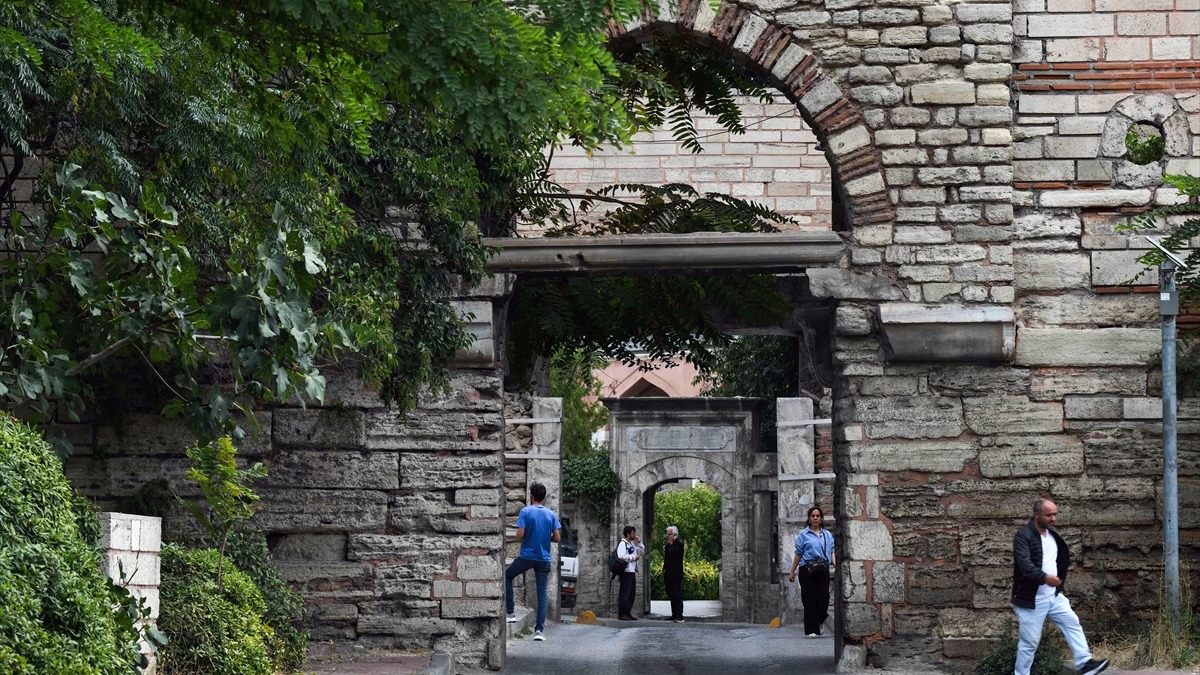
The nearby Hadım İbrahim Paşa Mosque is also among the structures in the area dating from the Ottoman period. Built in 1551 and counted among Mimar Sinan’s works, the mosque was seriously damaged in the 1894 earthquake.
A Byzantine hypogeum uncovered around Silivrikapı in the 1980s revealed another trace of the area’s history, which predates the walls. The marble reliefs found on the four walls of the underground tomb structure, dating to the early fifth century, are preserved and displayed today at the Istanbul Archaeological Museums.
Silivrikapı brings together traces of the defensive system, commercial life, daily life and military traditions that extend from the Byzantine period to the Ottoman era. The gate and the structures around it stand among the historic witnesses to the changes Istanbul has undergone over the centuries.
















