- BIST10011,411+3.52%
- USD50.03+0.05%
- EUR56.26+0.56%
- GOLD4,133.10+1.48%
- INTEREST36.00%-1.00
- BITCOIN80,244-0.23%
- November 5, 202612°
- BIST10011,411+3.52%
- USD50.03+0.05%
- EUR56.26+0.56%
- GOLD4,133.10+1.48%
- INTEREST36.00%-1.00
- BITCOIN80,244-0.23%
- November 5, 202612°
Şimşek says 130.2 billion liras paid to 614,000 accounts in liquidated funds
Treasury and Finance Minister Mehmet Şimşek announced at the Grand National Assembly of Türkiye Planning and Budget Commission that a total of 130.2 billion liras had been paid to 420,000 people in funds ordered to be liquidated, while 179,449 people had received their full net investment amounts. Şimşek stressed that no public budget funds were used for the payments.
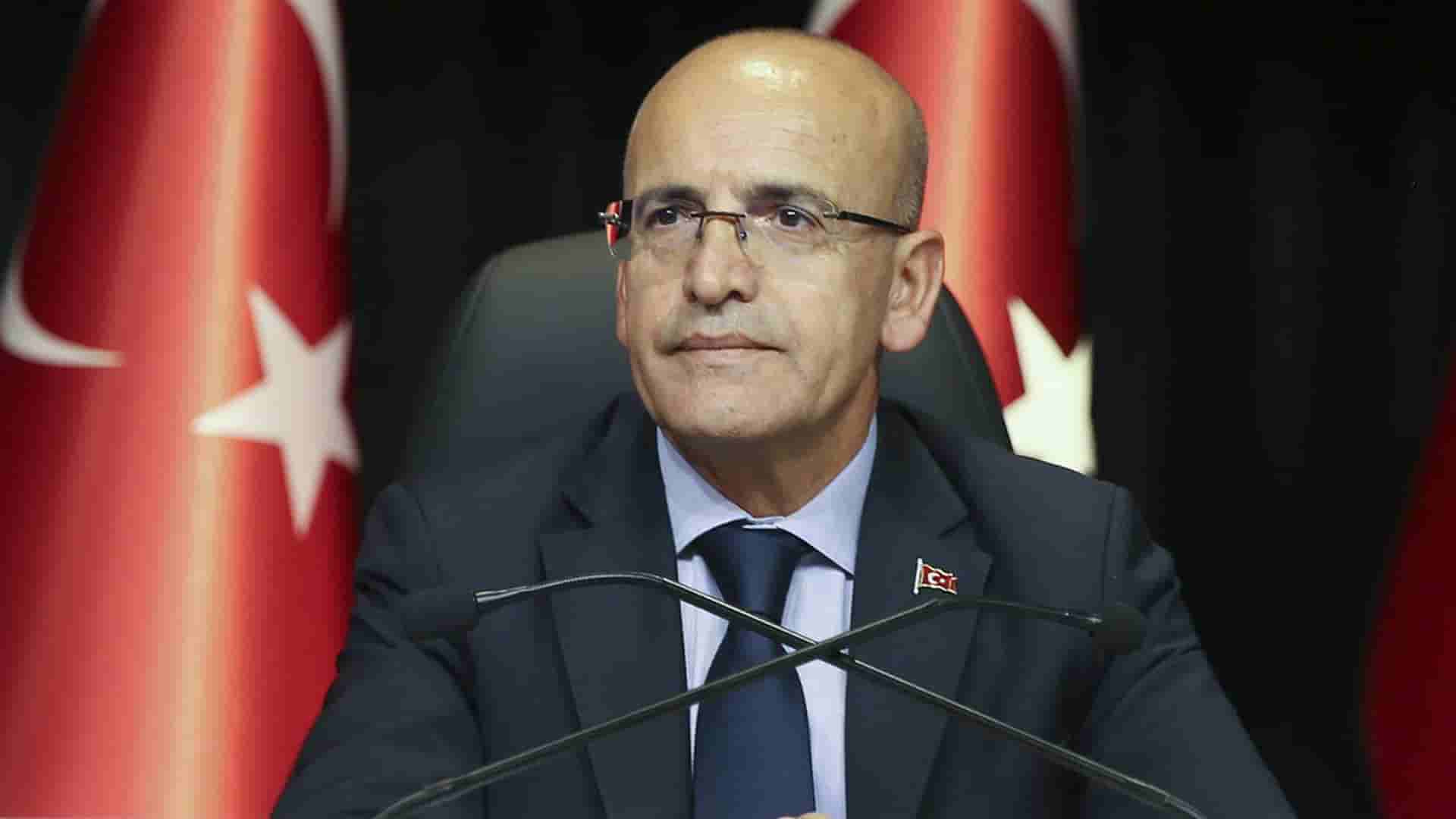
Treasury and Finance Minister Mehmet Şimşek shared the latest figures on payments from investment funds ordered to be liquidated during his presentation on the 2027 budgets of his ministry and affiliated institutions before the Grand National Assembly of Türkiye Planning and Budget Commission. Şimşek announced that, to date, a total of 130.2 billion liras had been paid to 614,874 accounts belonging to 420,031 individuals across 108 funds, and that 179,449 people had received their full net investment amounts.
Şimşek said that 68 billion liras had been paid to 71,899 accounts across 93 funds as part of regular liquidation. Under extraordinary liquidation, interim payments totaling 62.2 billion liras had been made to 542,975 accounts across 15 funds as of Nov. 4. Emphasizing that the process was being conducted fairly, transparently and effectively under the Law on Certain Investment Funds Ordered to Be Liquidated, which was approved by Parliament, Şimşek said, "Payments to fund shareholders are being made using the funds' assets, resources in recovery accounts and amounts in voluntary refund accounts; no resources from the public budget will be used."
MASAK identifies 9 billion liras in assets across 36 countries
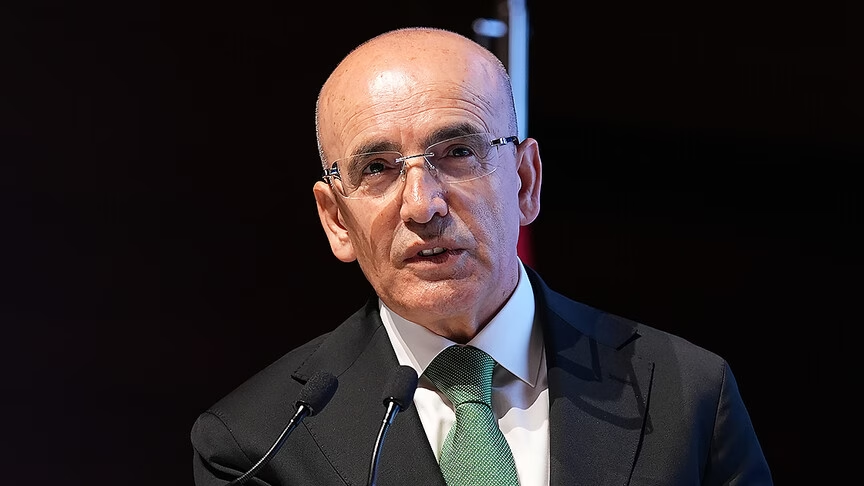
Şimşek said efforts were continuing to pursue those who had obtained unfair and excessive gains from the funds. "During this process, MASAK is also continuing efforts to identify the assets linked to the unfair and excessive gains obtained from the funds and to bring assets held abroad into our country. As of Nov. 4, 100 transactions worth approximately 3.8 billion liras had been deferred, while assets worth 9 billion liras were identified through cooperation with counterparts in 36 different countries and submitted to the judicial authorities," he said.
Şimşek also announced that additional steps would be taken to strengthen investor confidence. A draft regulation being prepared by the institutions includes higher penalties for manipulation, deterrent sanctions against coordinated transactions by funds, standards to ensure the independent verification of disclosed free-float ratios, and stronger market surveillance mechanisms.
"The spread of risks across the wider economy was prevented"
Recalling that some funds weakened by manipulation had begun defaulting in mid-September and that the Capital Markets Board of Türkiye had ordered the liquidation of 131 funds, Şimşek said the necessary measures had been implemented rapidly through interinstitutional coordination. As of Sept. 17, these funds, which had approximately 456,000 shareholders, accounted for 4.6% of the total number of funds, 7.7% of fund portfolios, 2.4% of household financial assets and 0.7% of national income.
According to a Central Bank study, approximately 3,000 real-sector companies had investments worth 116 billion liras in funds covered by the liquidation process; these companies accounted for 0.6% of employment and 0.9% of turnover. Companies with high fund exposure accounted for 0.03% of employment and 0.02% of commercial loans. Şimşek said the capital adequacy ratios of Türkiye Sigorta and Türkiye Emeklilik, which had been placed under comprehensive supervision, stood at strong levels of 176% and 382%, respectively, as of September, while risks linked to troubled funds at other insurance and pension companies remained below 0.01%.
Growth to accelerate and disinflation to continue in 2027
Assessing the broader economic outlook, Şimşek stressed that deviations from the program targets had remained limited in 2026, a year marked by multiple shocks. Şimşek said they expected Türkiye's economy to grow by 3.3% this year and that growth would gradually accelerate in 2027, driven by a recovery in external demand and productivity-focused investments. He forecast that the current account deficit would remain at 2.2% of national income this year and fall to its prewar level in 2027. The budget deficit is also expected to remain below the initial target of 3.5% this year.
Şimşek said Türkiye was one of the few countries to have reduced annual inflation from prewar levels through the measures it had taken. "In 2027, a tight monetary stance, moderate domestic demand conditions, improving expectations, reduced inertia in services inflation and the expected decline in global commodity prices will support the disinflation process," he said. Şimşek announced that room had been created in the 2027 budget to support retirees' purchasing power, that they planned to reduce late-payment surcharges and deferment interest rates in line with market conditions, that per-employee minimum-wage support would be increased, and that premium support for businesses in certain manufacturing sectors and tourism that preserve employment would be raised.
Photos: TRT Haber, Anadolu Agency (archive)
Have a story, event or announcement of your own?Send us your news on WhatsApp
Spotted an error in this story?Report it on WhatsApp
Share on all social platforms
Sponsored Ads
Featured Listings
Loading featured properties...
Stay Updated with The Turkiye Times
Subscribe to be informed about special news, developments and announcements. We will keep you informed.
By signing up, you agree to our Privacy Policy