- BIST10012,151-0.94%
- USD49.34+0.24%
- EUR55.21-0.01%
- GOLD4,180.40-0.24%
- INTEREST37.00%-1.00
- BITCOIN82,276+0.64%
- October 13, 202617°
- BIST10012,151-0.94%
- USD49.34+0.24%
- EUR55.21-0.01%
- GOLD4,180.40-0.24%
- INTEREST37.00%-1.00
- BITCOIN82,276+0.64%
- October 13, 202617°
The pink lake in Çanakkale did not change color this year
The heart-shaped lake located in Dalyan village of Çanakkale, known as one of the few pink lakes in the world, did not take on its characteristic pink color this year due to excessive rainfall. Experts stated that different microorganisms proliferated in the lake as salinity levels dropped with the rains.


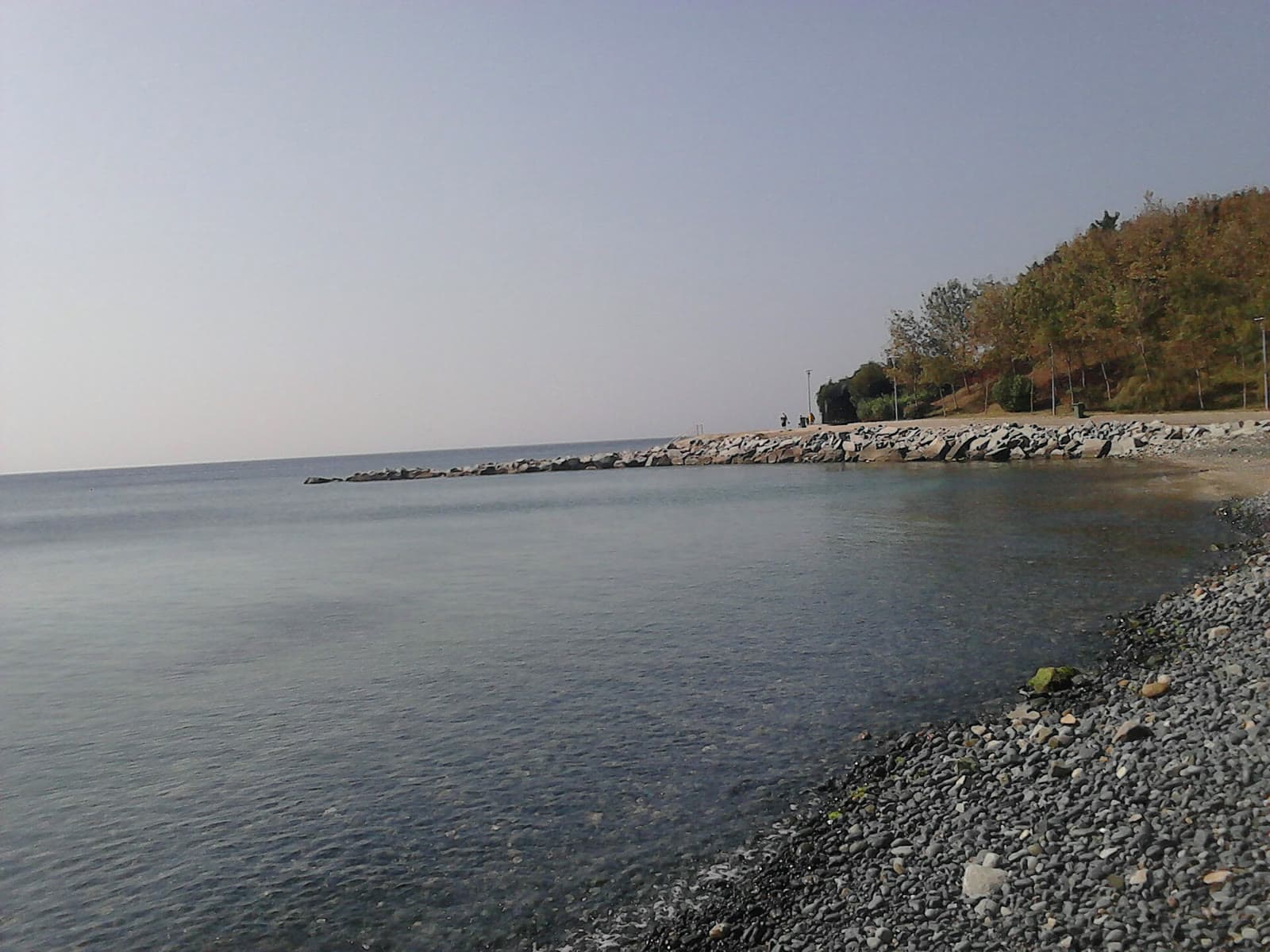
The heart-shaped lake, which served as an inner harbor during the Alexandria Troas Ancient City period in Dalyan village of Ezine district in Çanakkale, greets visitors with a different scene this year. Normally taking on pink and near-red tones at certain times of the year, the lake has not changed color even though the end of June has arrived.
The pink color, which occurs when the microscopic plant organism 'Dunaliella salina' proliferates excessively due to rising temperatures and salinity, had turned the lake into a popular spot thanks to photos shared on social media. However, this year's appearance did not meet expectations.
'Highest rainfall level in 13 years'
Associate Professor Dr. Alper Tunga Akarsubaşı from the Department of Molecular Biology and Genetics at Çanakkale Onsekiz Mart University (ÇOMÜ) explained the reason for the color change in the lake. Stating that such lakes need very high salinity levels to change color, Akarsubaşı said, 'This year, Çanakkale reached its highest rainfall level in 13 years. Because of this, the salinity level in the lake dropped.'
Emphasizing that the microorganism balance in the lake changed with the drop in salinity, Akarsubaşı said, 'In this case, a shift from pink-producing microorganisms to more green and brown microorganisms is expected. This is one of the problems we occasionally encounter with this type of pink lake all over the world.'
'A different type of pollution is occurring'
Associate Professor Akarsubaşı said that with the rains, pollution from surrounding fields and human sources also flowed into the lake, causing a different type of pollution called 'nutrient enrichment.' He stated that the mucilage-like foaming observed in the lake now is also caused by this.
Akarsubaşı, who is conducting a study on the lake together with Dr. Tülay Bican Süerdem from the ÇOMÜ Biology Department, said, 'We are monitoring microorganisms seasonally with the latest molecular methods. We haven't even taken samples from this recent period yet. When we analyze these samples, we will be able to speak more clearly.' He added that seasonally, the organisms that create the pink color can swap places with other organisms, causing the color to lighten and darken.
Stay Updated with The Turkiye Times
Subscribe to be informed about special news, developments and announcements. We will keep you informed.
By signing up, you agree to our Privacy Policy