Following US strikes on targets in Iran, the two sides carried out retaliatory attacks across the region. Explosions were heard on Iran's southern Qeshm Island and in Sirik, Bandar Abbas, Asaluyeh, Chabahar and Konarak.
The Islamic Revolutionary Guard Corps announced that it had shot down a US MQ-9 unmanned aerial vehicle. Iran's General Staff of the Armed Forces also warned that the US military would face heavier losses if it continued its attacks.
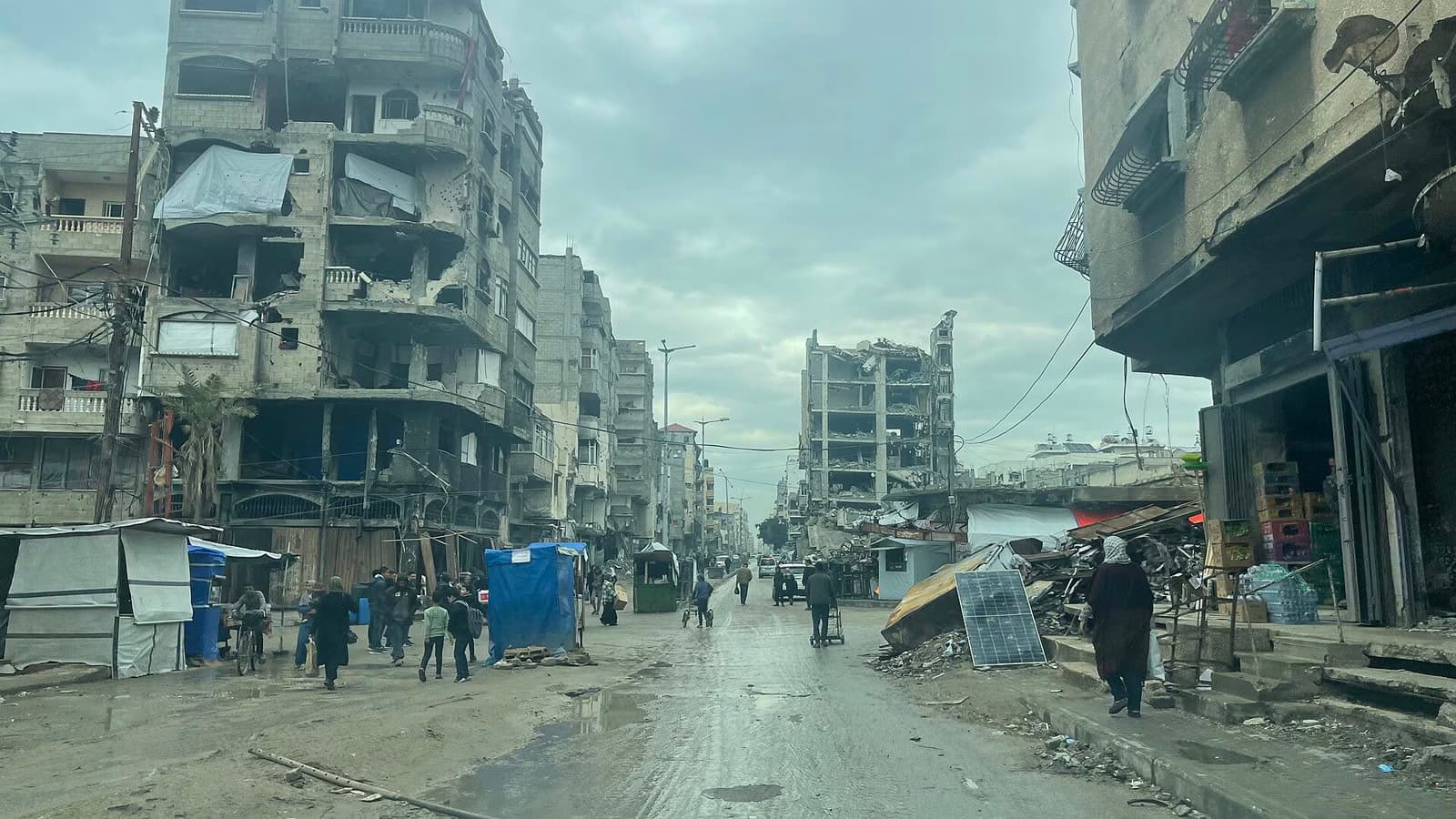
Casualties in attacks in southern Iran
Ahmad Nafisi, deputy governor of Hormozgan province, said the US had struck a home in Kuheştek, in the Sirik district, where a wedding ceremony was being held. Nafisi said at least four people had been killed and 68 injured in the attack, according to initial assessments.
Seven people were killed and eight injured in the Khuzestan region. Jiroft Airport in Kerman province was also targeted.
US Central Command announced that its attacks on targets in Iran had been completed. Central Command spokesperson Captain Tim Hawkins said they were aware of reports concerning the home in Kuheştek and argued that the US military did not target civilians.
Iran retaliates against US bases in the region
The Iranian military announced that it had retaliated with missiles and unmanned aerial vehicles against US bases in Jordan, Bahrain and Iraq. The Islamic Revolutionary Guard Corps also announced that a missile and UAV attack had been carried out against Ali Al Salem Air Base in Kuwait.
The Revolutionary Guard claimed that some US UAVs had been destroyed in the attack. The statement said the targets included the US commander's headquarters and accommodation area, a UAV hangar and ramps where UAVs were deployed.
The Jordanian military announced that 10 of the 13 ballistic missiles that entered its airspace had been intercepted, while three fell in uninhabited areas. Some airlines canceled flights to Jordan.
Kuwait warned the public about attacks launched from Iran with UAVs and missiles and said that its air defense systems had been activated. Bahrain also announced that UAVs sent from Iran had been intercepted by air defense systems.
The Israeli military said sirens had sounded in some areas in the north of the country because of unmanned aerial vehicles launched from Lebanon, and that interceptor missiles had been fired.
Trump rejects claims of negotiations
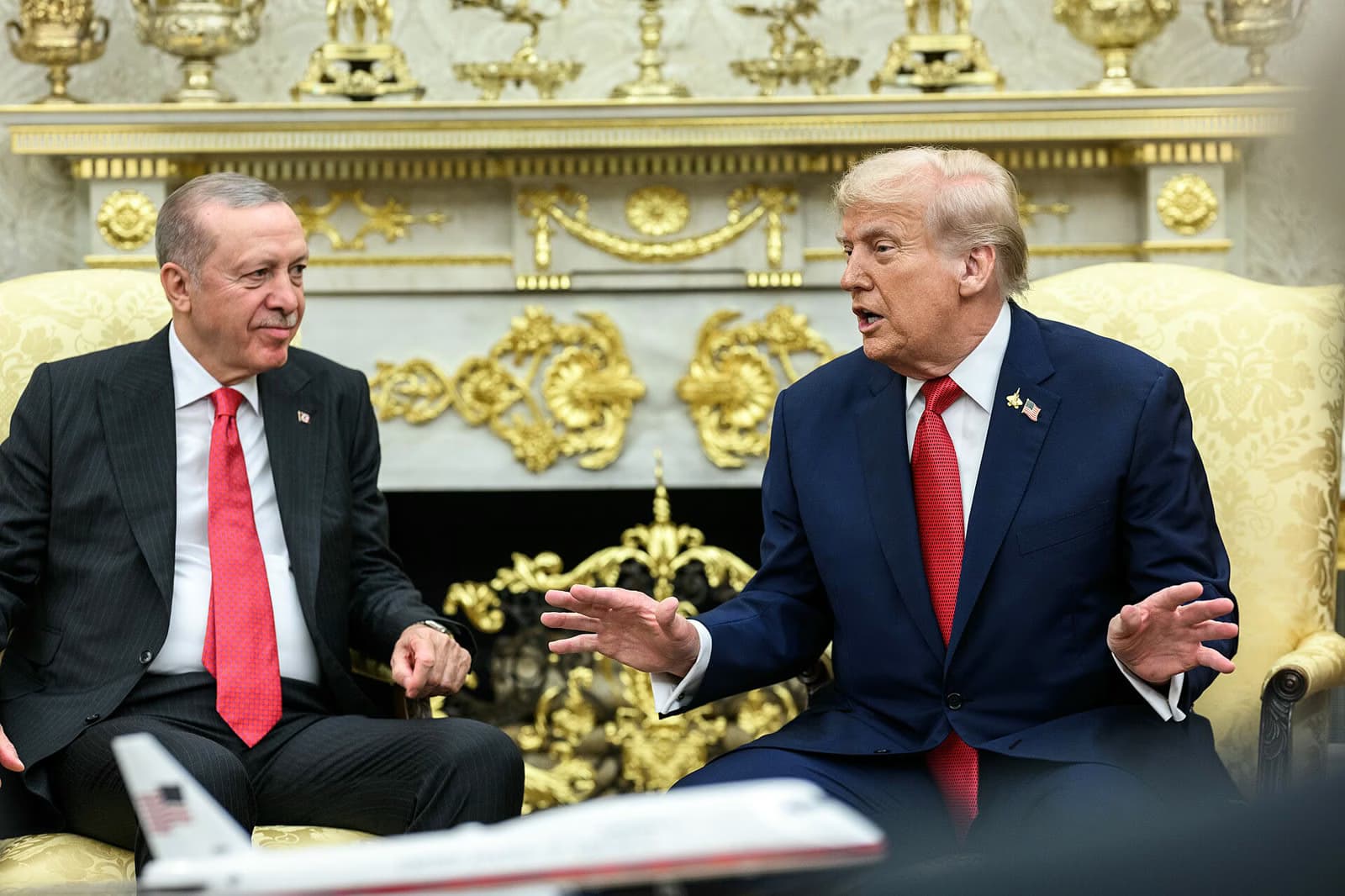
US President Donald Trump denied claims that Washington was trying to bring Iran to the negotiating table. Trump said it did not matter to the United States whether Iran signed an agreement that Tehran considered worthless.
Trump argued that the US strategic position was much stronger and that the Strait of Hormuz was almost entirely under control. Trump claimed that Iran's economy was in the process of collapse and used language calling on the Iranian people to fight.
Claim of an attack on Iranian tankers
Unnamed US officials claimed that the US military had attacked two Iranian tankers. The officials argued that the attacks were carried out under a new policy aimed at deterring Iran from targeting tankers passing through the Strait of Hormuz.
The officials claimed that tankers belonging to the Iranian government had anchored off the Iranian coast near the northern edge of the US naval blockade and that US UAVs had struck the tankers' engine rooms with missile attacks. They said US targets included air defense facilities, radar systems, naval assets, mine-laying capabilities and communications facilities.
The same officials claimed that half of Iran's attacks involving approximately 25 ballistic missiles had reached Jordanian airspace, that 10 missiles had been intercepted and that three had fallen without causing casualties or property damage. They argued that Iran had sent approximately two dozen UAVs toward US bases in Bahrain and two UAVs toward US bases in Erbil, Iraq, and that the aircraft had been intercepted.