Abdulkadir Karagöz, chairman of the board of trustees of the Turkish Agricultural Technologies Cluster TUMİ, said Türkiye is using artificial intelligence and autonomous systems to strengthen food supply security, use natural resources more efficiently and develop agricultural technologies.
Speaking at the Anatolian Technology Platform in Şanlıurfa, Karagöz assessed the use of modern technologies in agriculture and livestock farming. The event was held as part of Teknofest in southeastern Türkiye.
AI-powered autonomous farming
Karagöz said Türkiye was transferring its experience in unmanned systems to the agricultural sector, adding that they had developed a fully AI-based autonomous farm and that it was the first example of its kind in the world.
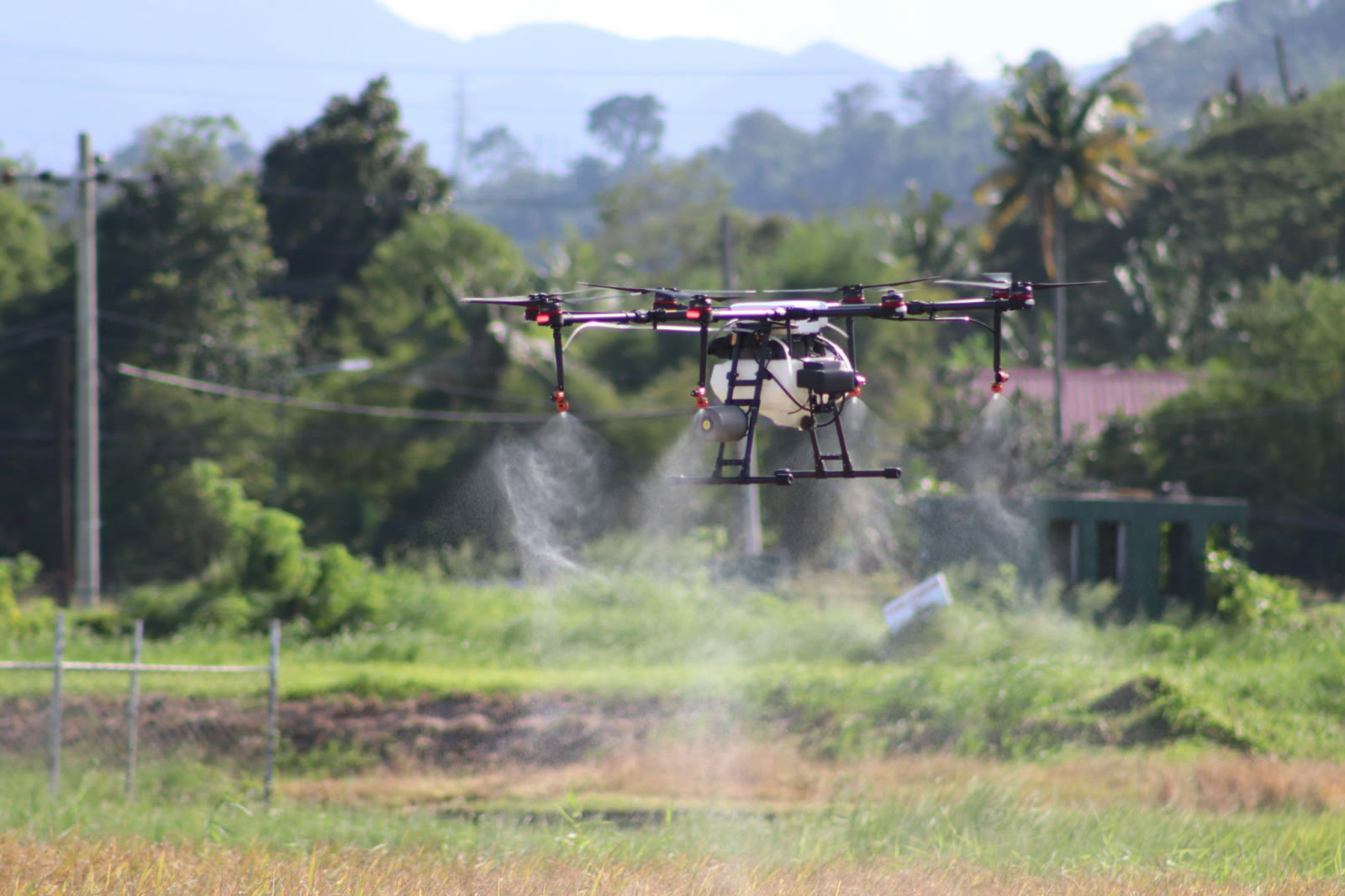
Karagöz said such autonomous systems can monitor processes including ventilation, feeding and product management through software. He added that the technology could allow producers to anticipate agricultural risks before they emerge or worsen and take timely measures.
Karagöz said people engaged in agriculture and livestock farming should be positioned not only as producers and breeders but also as technology entrepreneurs. TUMİ's goals include ensuring food supply security, using natural resources more efficiently and developing systems that can anticipate risks affecting the agricultural sector at an early stage.
Strong interest from young people in technology competitions
Karagöz said young people had shown strong interest in the agricultural technologies competition held as part of Teknofest. He said approximately 80,000 teams and 250,000 young people had applied to the competitions, adding that this interest showed a growing tendency to develop technological solutions for agriculture.
Karagöz said TUMİ was founded at last year's Teknofest. He added that developing local agricultural technologies would increase Türkiye's capacity to meet its food needs and pave the way for exporting technology and expertise to friendly and brotherly countries.
Target of 6 million breeding cattle
Karagöz said the goal in livestock farming was to increase the number of breeding female cattle allocated to meat production to 6 million with technological support. He said the initiative would be carried out with approximately 600,000 producer families.
Karagöz said the plan covered families engaged in crop production, greenhouse farming and livestock farming. He added that they aimed to identify more productive businesses, support them in the areas where they were strongest and enable them to access technology more quickly.
Karagöz said the goal was not only to increase production, but to build a more efficient and resilient agricultural ecosystem by bringing together producers' experience, modern technologies and artificial intelligence.