A bill approving the ratification of the "Mecca Agreement for Joint Defense," signed by Türkiye, Pakistan and Saudi Arabia, passed the General Assembly of the Grand National Assembly of Türkiye. The first of the three articles, which provides for the ratification of the agreement, was adopted in the previous session. The remaining two articles concerning its entry into force were debated in today’s session, after which the bill as a whole was put to an electronic vote.
A total of 398 votes were cast. The bill passed with 279 votes in favor and 119 against; no abstentions, invalid votes or blank ballots were recorded. Once the law is published in the Official Gazette, the President will be authorized to approve the agreement.
Signed in Mecca
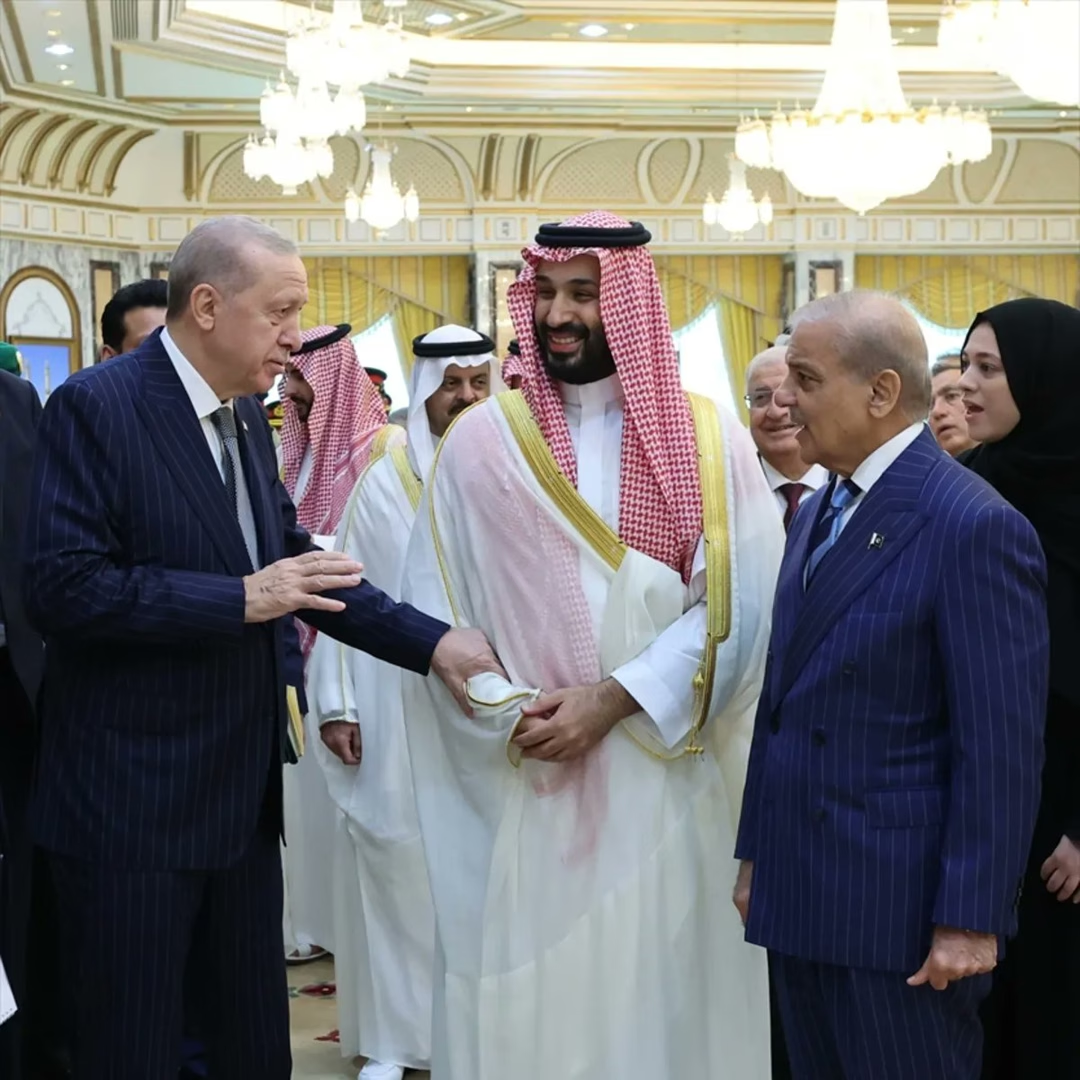
The agreement was signed in Mecca on August 7, 2026, by President Recep Tayyip Erdoğan, Saudi Crown Prince and Prime Minister Mohammed bin Salman, and Pakistani Prime Minister Shehbaz Sharif. The bill on its ratification was submitted to the Presidency of the Grand National Assembly of Türkiye in October and was approved by the Assembly’s Foreign Affairs Committee on October 27. In the committee vote, the AK Party, MHP and CHP voted in favor, while YENİ Party, İYİ Party and the DEM Party voted against.
Saudi Arabia and Pakistan signed a bilateral strategic mutual defense agreement in September 2025. The Mecca Agreement created a trilateral defense framework by bringing Türkiye into that cooperation. Türkiye and Pakistan have maintained close, longstanding cooperation in defense industry and military training, while defense contacts between Ankara and Riyadh have also increased significantly in recent years.
Collective defense will not be triggered automatically
Under Article 2 of the 16-article agreement, an externally sourced armed attack against any party will be considered an attack against all parties. The article states that if one party is subjected to an armed attack or military aggression by another country or group of countries, the parties will immediately assist the attacked party by using all the forms of mutual assistance available to them. This assistance will be provided within the framework of the right to self-defense recognized by Article 51 of the United Nations Charter, following an objective assessment of the need.
Under the agreement, the parties will act within the framework of their constitutional obligations, national legislation and the decisions of their competent authorities when exercising their defense rights under the UN Charter. The collective defense provision will not be implemented automatically; decisions on the matter will be taken by consensus following consultations. Fuat Oktay of the AK Party also stressed during the debates that the agreement did not mean troops would be sent automatically and that, under Article 92 of the Constitution, the Grand National Assembly of Türkiye would still decide whether to deploy the Turkish Armed Forces abroad.
Joint exercises, intelligence sharing and defense industry cooperation
Under Article 6, the parties will encourage personnel exchanges between defense institutions, joint training programs and exercises, as well as deployments and activities that will increase the interoperability of their armed forces, with the aim of improving their defense capabilities in wartime and peacetime. Under Article 9, the parties will share intelligence through secure channels designated by mutual agreement, in compliance with information security and confidentiality rules.
The agreement also provides for strengthening cooperation, including at the operational level, in combating terrorism in all its forms and manifestations. It supports technology sharing, joint research and development, and joint production in the defense industry. It also plans to establish a committee comprising the defense ministers and chiefs of staff of the three countries.
To remain in force indefinitely
Under Article 16, the agreement will remain in force indefinitely. The parties may not withdraw from the agreement before 10 years have passed from its entry into force; after that period, any party wishing to withdraw must notify the other parties in writing through diplomatic channels at least three months in advance.
The agreement’s general justification emphasizes that the arrangement, which is entirely defense-oriented, does not target any country. According to the justification, the agreement aims to strengthen strategic dialogue among regional countries and a culture of cooperation based on mutual trust; establish a security approach based on cooperation and collective deterrence in the Middle East and beyond; and develop solutions to the region’s problems from within the region, based on regional ownership. During the debates, National Defense Minister Yaşar Güler also said the agreement would serve as a deterrent against possible attacks targeting Saudi Arabia.
Photographs: NTV, Anadolu Agency, Wikimedia Commons