- BIST10011,238-0.84%
- USD50.05+0.05%
- EUR56.25-0.01%
- GOLD4,059.00-1.32%
- INTEREST36.00%-1.00
- BITCOIN75,342-0.84%
- November 6, 202611°
- BIST10011,238-0.84%
- USD50.05+0.05%
- EUR56.25-0.01%
- GOLD4,059.00-1.32%
- INTEREST36.00%-1.00
- BITCOIN75,342-0.84%
- November 6, 202611°
Paraguay President Peña resigns with apology as Congress fails to decide
Paraguay President Santiago Peña, cornered by the collapse of Ueno Bank and having lost the support of his own party, announced his resignation and apologized to the public in a video message. Minutes later, the Chamber of Deputies unanimously sent impeachment charges to the Senate, while a joint session of Congress convened to consider the resignation adjourned without a decision after losing its quorum.

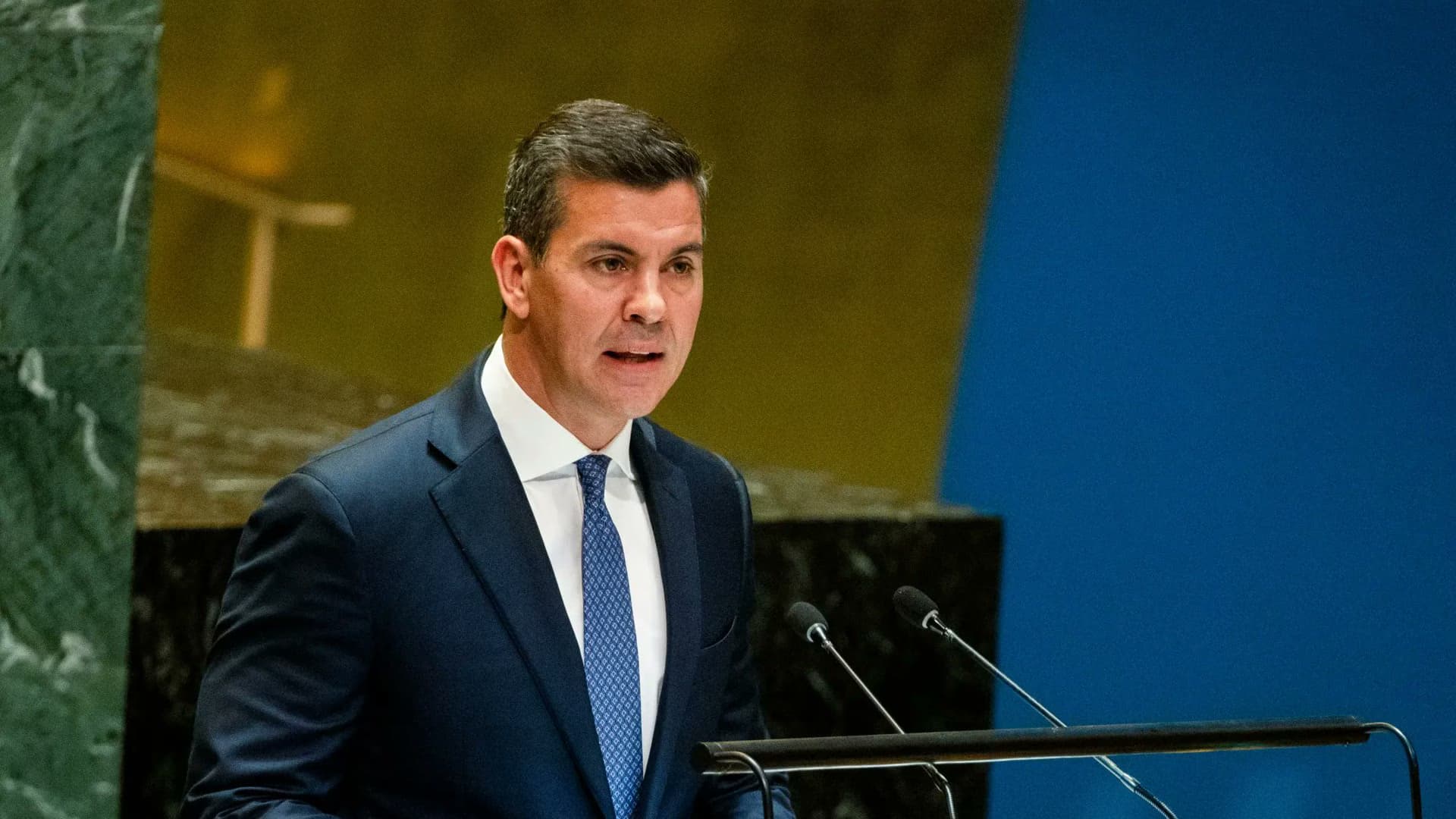
A crisis that began with the collapse of digital bank Ueno Bank in the South American country of Paraguay forced President Santiago Peña from office. Shortly after 1 p.m. local time on Thursday, Peña announced his resignation in a video message posted to his X account. The announcement came as the Chamber of Deputies was considering an impeachment motion against him.
In the message, conservative economist Peña apologized to the public: “I want to apologize if I ever let our people down. I never intended to betray the trust placed in me.” AP said Peña expressed regret but did not accept responsibility for the banking crisis. Last month, Peña described warnings about Ueno that unsettled the public as a “smear campaign.”
The video contains the full 2-minute-20-second address to the nation that Peña recorded at Mburuvicha Róga, the presidential residence. Standing before the Paraguayan flag and a photograph of the government palace, Palacio de López, Peña begins: “Today, I am speaking to you at one of the most difficult moments of my life,” and says, “History will judge the events we are experiencing today and place them in their true perspective.” He then announces his decision: “I have decided to resign from the presidency. I am doing so because I believe it is necessary to protect our country’s stability, social peace and democratic institutions.” He concludes: “No office is more important than the stability of the Republic. No one is above Paraguay.”
Votes disappeared after Cartes withdrew support
A decisive factor in Peña’s downfall was the Colorado Party turning its back on him. The party, which has been in power for nearly 70 years except for the 2008–2012 period, announced its support for the impeachment process shortly before the congressional session. Party President and former President Horacio Cartes said: “As the Colorado Party, we will not stand alongside the seizure of public, private-sector and pensioners’ funds.”
Interior Minister Enrique Riera, who took the resignation letter to the Senate, told Última Hora that Peña was “hurt and saddened.” Riera said Peña realized he did not have enough votes when Cartes and congressional President Basilio Núñez made their positions clear, and that the decision was made Thursday morning. Minutes after the resignation, the Chamber of Deputies approved the impeachment charges by 78 votes to zero and sent the case to the Senate. The charges include conflicts of interest, the misuse of pension funds and obstructing institutional oversight.
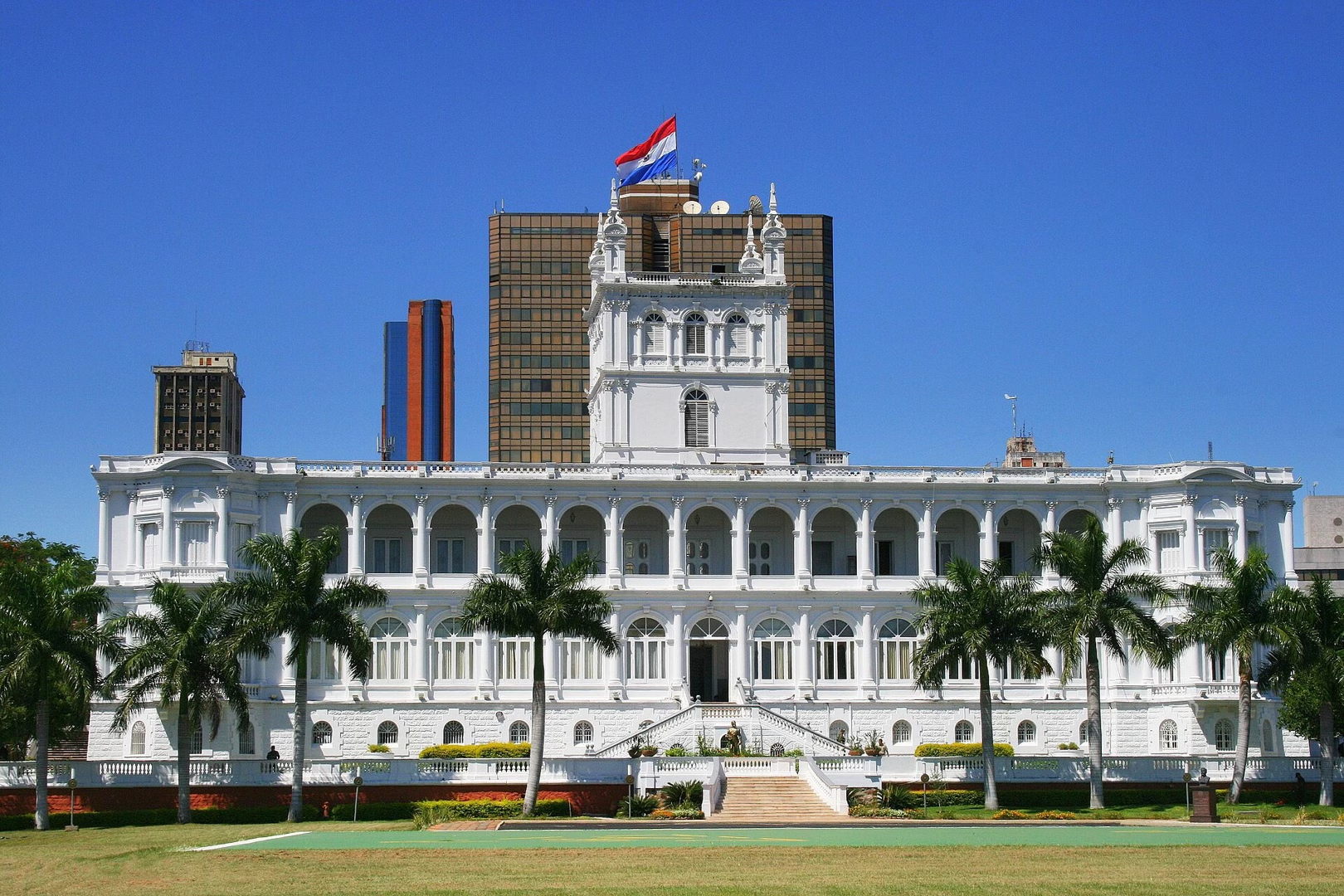
Resignation or impeachment?
Congress must approve the resignation for it to take effect. At a joint session of Congress that began at 3:30 p.m. local time, the opposition opposed accepting the resignation. Under Paraguay’s Constitution, former presidents who are acquitted in impeachment proceedings become senators for life. Opposition Senator Líder Amarilla said: “Accepting the resignation means impunity because he will gain immunity.”
Última Hora and Hoy reported that the session lost its quorum after a majority of lawmakers, mostly from the Colorado Party, left the chamber during the vote, prompting congressional President Núñez to close the session. As a result, no decision was reached on the resignation, and the impeachment process continues. Under a previously announced schedule, Vice President Pedro Alliana was expected to take office after being sworn in at 6 p.m. local time. At the time of publication, Alliana had not yet taken the oath, and it was unclear when Congress would reconsider the resignation.
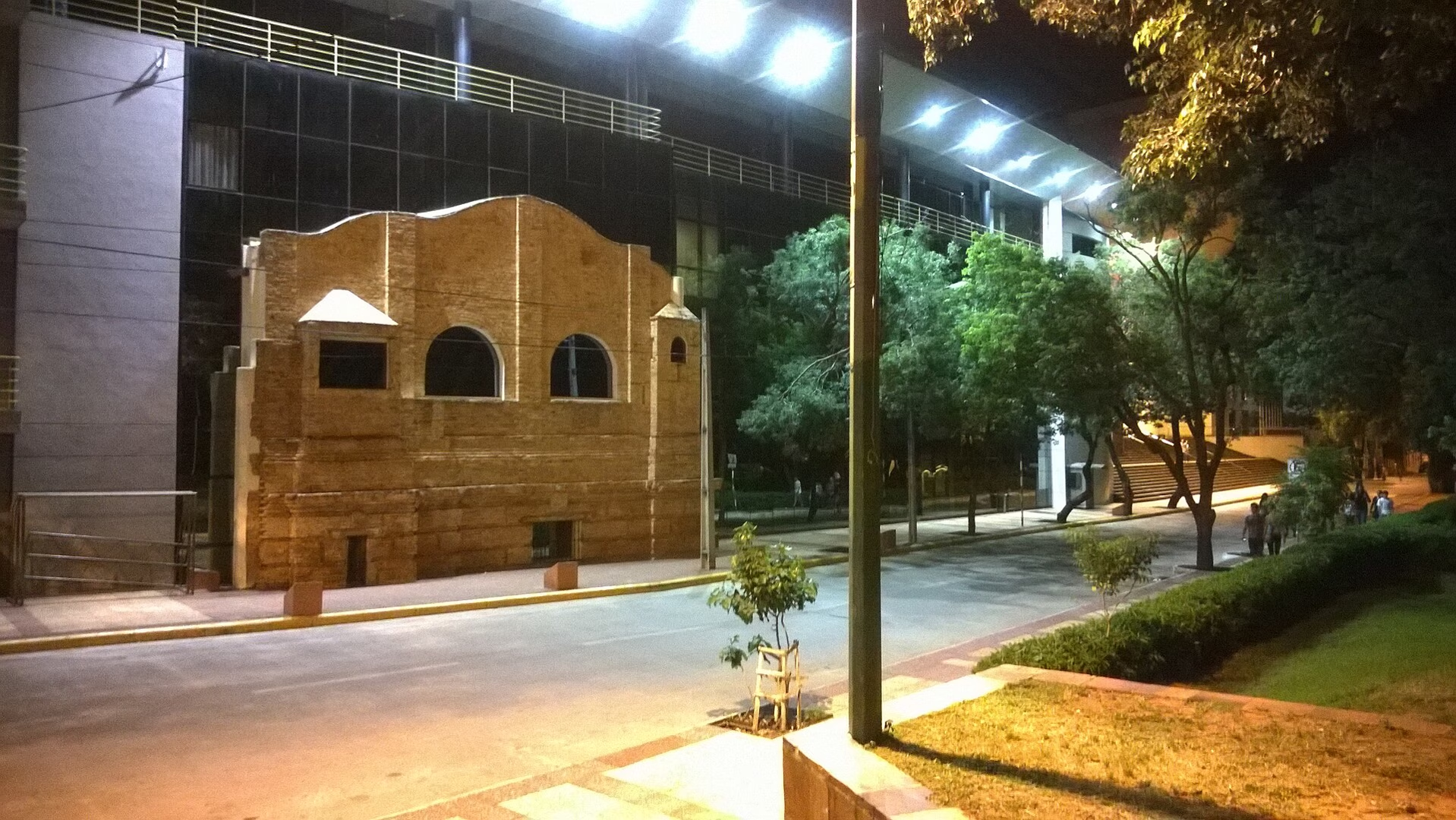
That same day, the Colorado majority in the Chamber of Deputies shelved an impeachment motion against Alliana by 48 votes to 30. The Office of the Attorney General also opened an investigation into criminal complaints against 39 people, including Peña, Alliana, former Economy Minister Carlos Fernández Valdovinos, and officials of the Central Bank and the Social Security Institute (IPS).
Funds belonging to 3 million people frozen
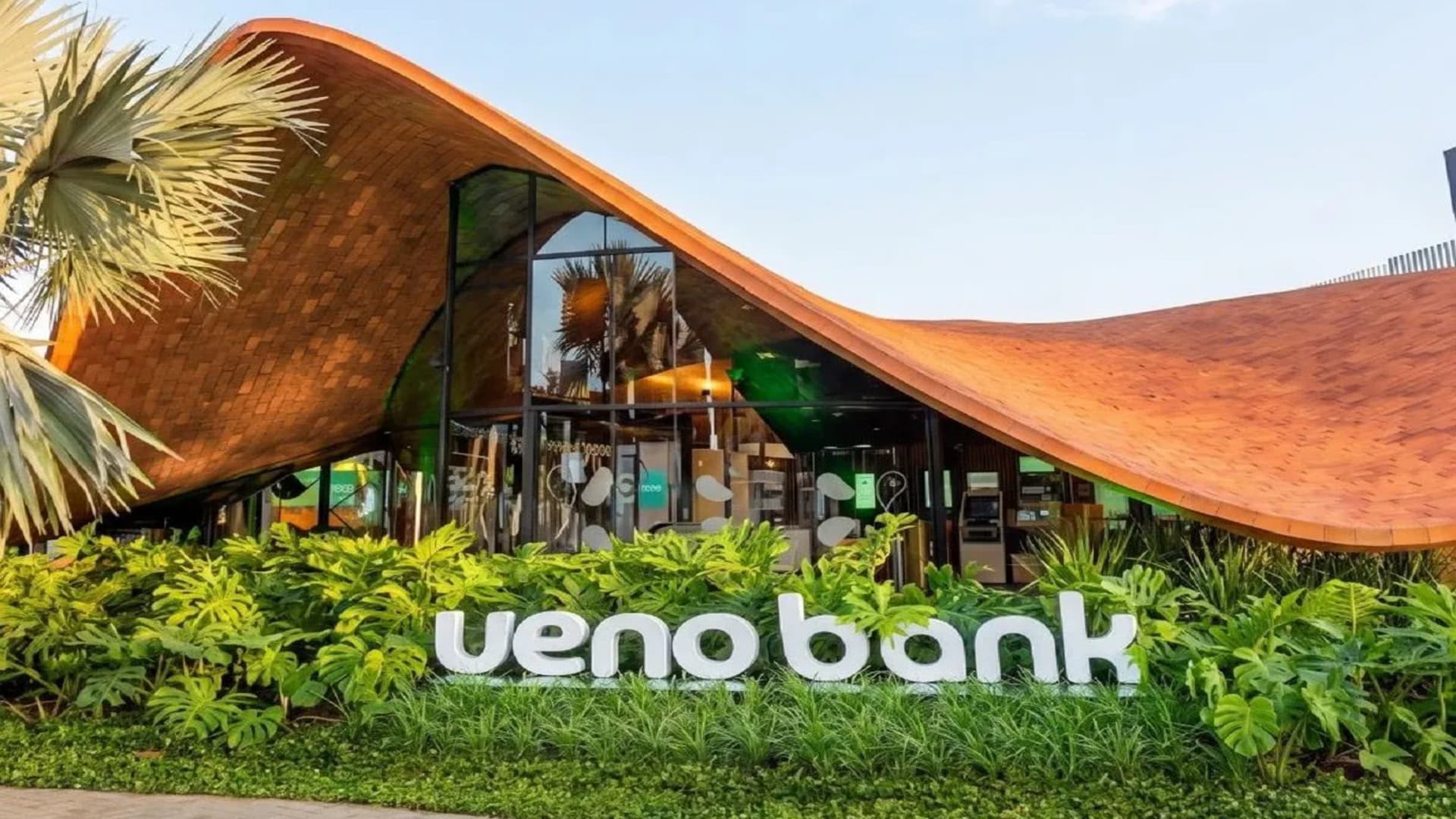
Ueno Bank, at the center of the crisis, had reached 2.9 million customers in a country with a population of approximately 6.1 million. The bank held around $800 million in public funds, including approximately $355 million in IPS pension funds. The Central Bank seized the bank on November 3 after its capital adequacy ratio fell below half the legal threshold. Eight senior executives, including founder Miguel Vázquez, were detained. According to the local media, Peña held shares in Ueno Holding, the bank’s parent company, until 2025.
During three days of protests in the capital, Asunción, demonstrators carried signs reading “Give us back our money,” while police intervened with tear gas and rubber bullets. Reactions also came from the region. Former Colombian President Gustavo Petro described the resignation as that of “the first far-right president to fall in Latin America.” Panama President José Raúl Mulino said he knew Peña felt “deep affection” for his country.
Video: Santiago Peña / X. Photos: Clash Report, Wikimedia Commons
Have a story, event or announcement of your own?Send us your news on WhatsApp
Spotted an error in this story?Report it on WhatsApp
Share on all social platforms
Sponsored Ads
Featured Listings
Loading featured properties...
Stay Updated with The Turkiye Times
Subscribe to be informed about special news, developments and announcements. We will keep you informed.
By signing up, you agree to our Privacy Policy