TÜRKSOY Deputy Secretary General Sait Yusuf said Turkish culture, which has maintained its presence in the Balkans since the Ottoman period, is being passed down from generation to generation through language, literature, theater, music and traditional arts.
Yusuf said Turkish culture in the Balkans would endure, adding that Turkish communities in the region continue to pass their cultural heritage on to future generations.
Prizren is one of the centers of cultural activity
In Prizren, one of the important centers of the Turkish presence in the Balkans, cultural and artistic activities contribute not only to preserving the heritage inherited from the past but also to keeping the Turkish language, literature and cultural identity alive.
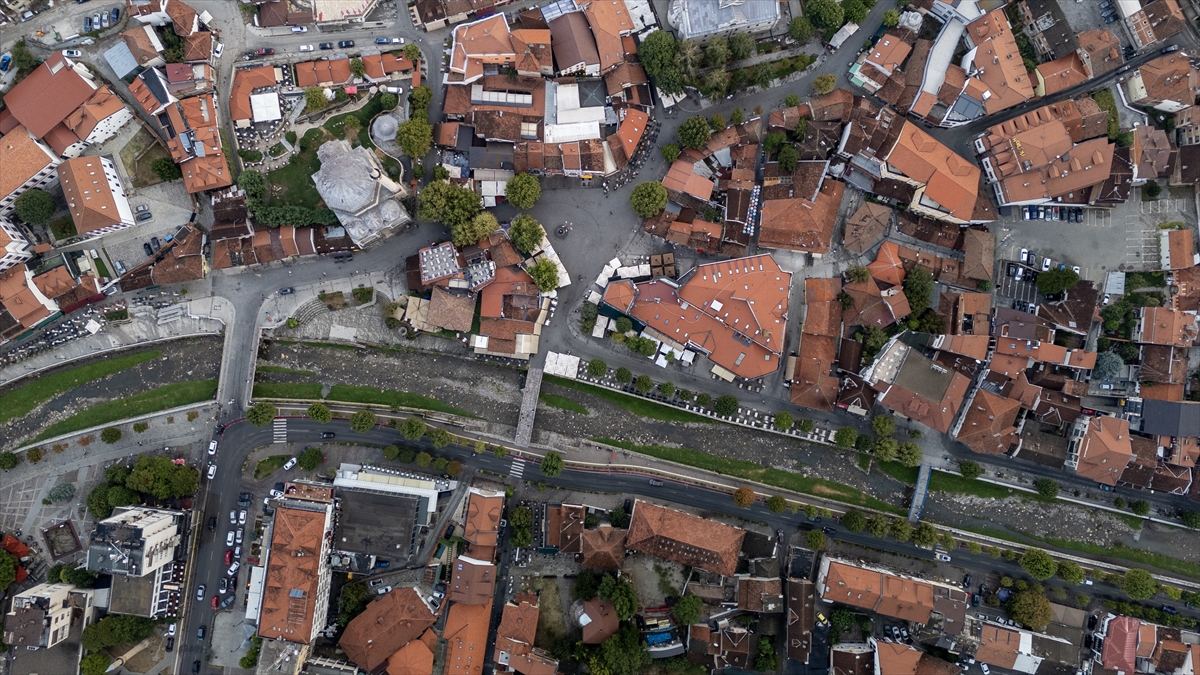
Yusuf said the Balkans are an integral part of the Turkic world and that TÜRKSOY will continue expanding its work in the region. He said Prizren holds a special place in preserving its cultural and artistic heritage as well as its reading culture.
Pointing to the cultural vitality he has observed in the region over the past 30 to 35 years, Yusuf said many of the people he had met were poets, writers, theater practitioners or artists. Yusuf described the Balkans as a genuine cultural hub.
Children’s and young people’s interest inspires confidence in the future
Yusuf said Prizren sets an example in Turkish-language reading culture and the preservation of the language. He said the interest shown by children and young people in cultural and artistic activities inspires confidence in the future.
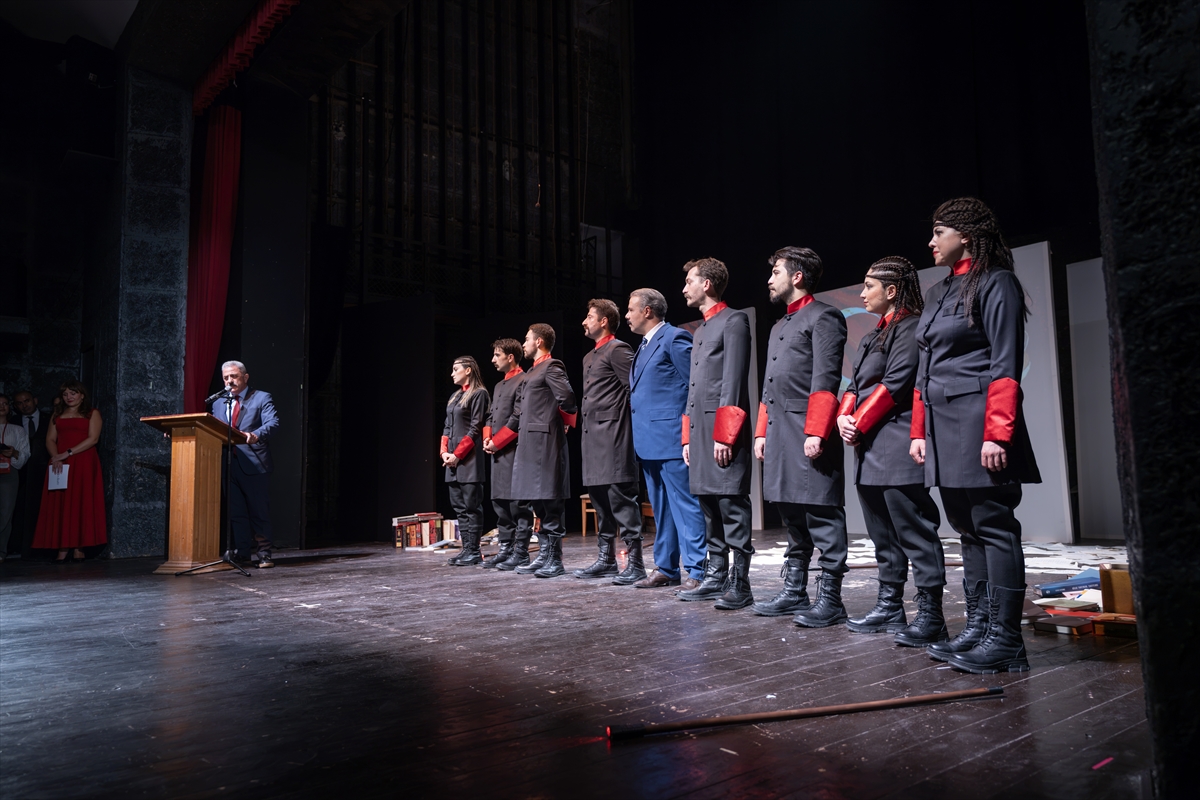
Yusuf said the Balkans are one of the key centers across the broad geography where Turkish culture and civilization have flourished, adding that every Turkish-speaking region is important to the Turkic world as a whole.
Cultural activities help preserve identity
Yusuf said activities ranging from theater and literature to the performing arts should not be viewed merely as separate events. He said the common purpose of local cultural and artistic production is to preserve Turkish culture and identity.
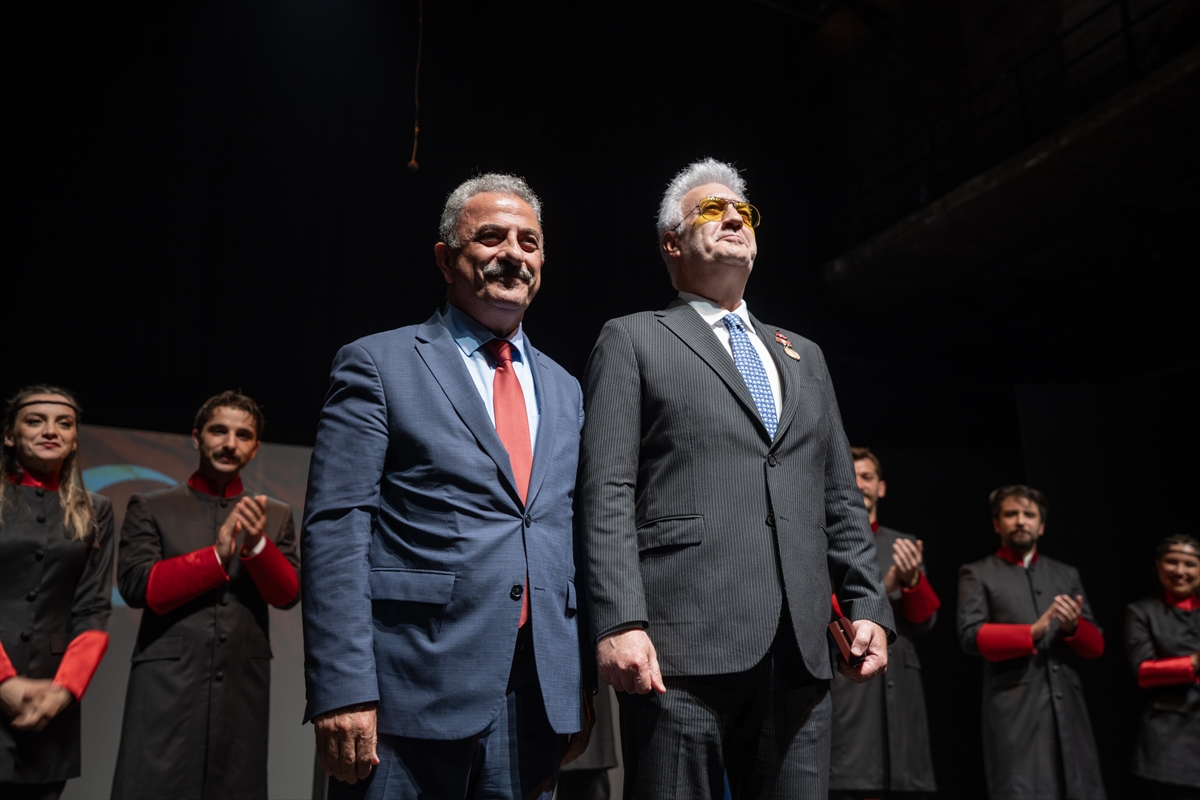
Yusuf said the work of the Skopje Turkish Theater, the plays staged and the works of literary figures highlight efforts to keep the Turkish language and identity alive. He said the importance given to culture, theater and the arts contributes to keeping Turkish identity vibrant in the Balkans.
Comparing the ties between Balkan Turks and the Turkic world to family relations, Yusuf said preserving the Turkish presence in the region is important for the Turkic world as a whole. Yusuf added that Turkish culture in the Balkans is not only the shared culture of ethnic Turks but of everyone living in the region.
















