- BIST10011,131-3.02%
- USD50.49+0.05%
- EUR55.40-0.11%
- GOLD3,515.40-4.62%
- INTEREST36.00%-1.00
- BITCOIN60,632+0.90%
- November 22, 202615°
- BIST10011,131-3.02%
- USD50.49+0.05%
- EUR55.40-0.11%
- GOLD3,515.40-4.62%
- INTEREST36.00%-1.00
- BITCOIN60,632+0.90%
- November 22, 202615°
UAE UN secretary-general candidate Nusseibeh blocked by Security Council veto
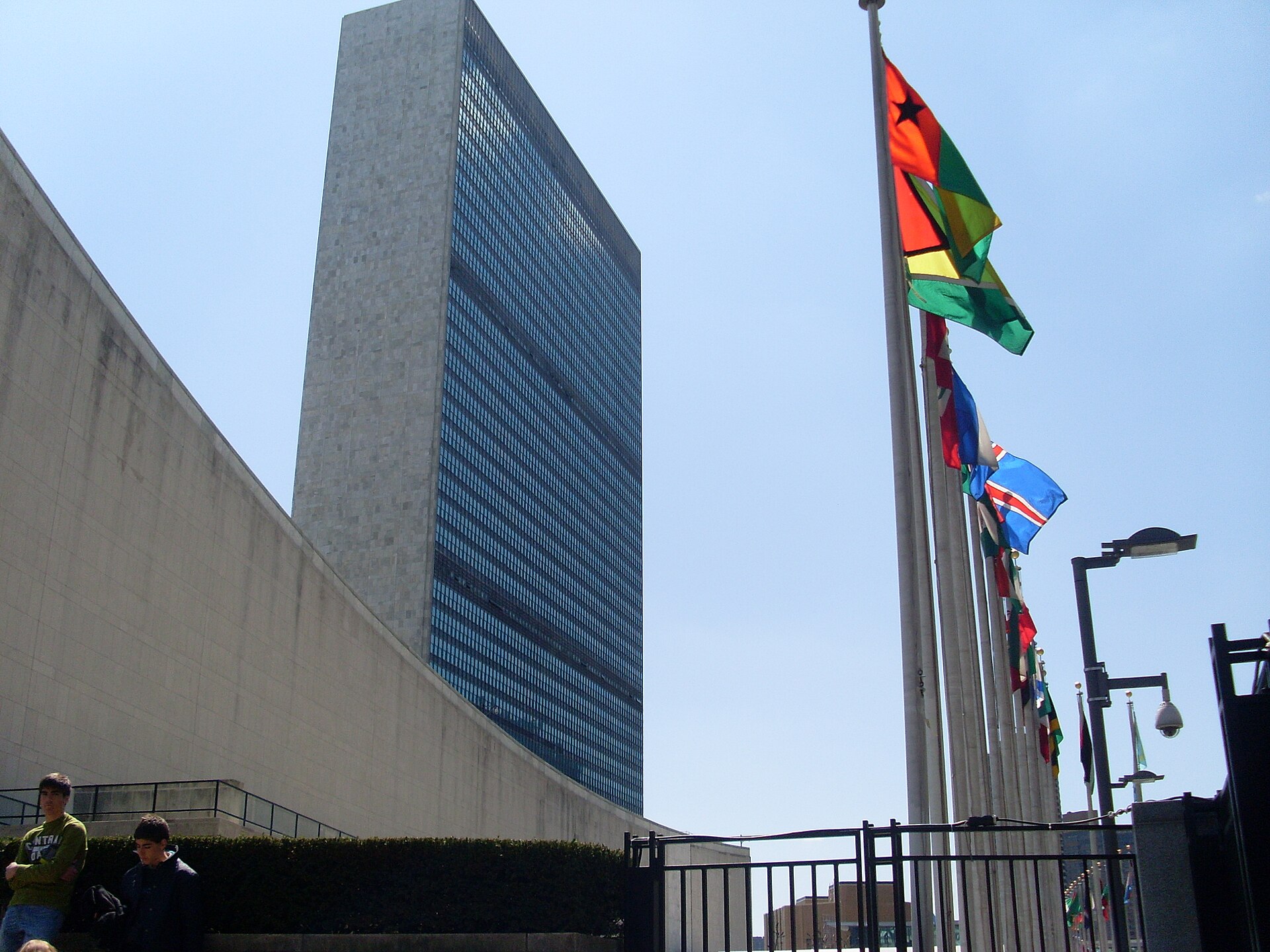
In the ninth informal vote at the UN Security Council, UAE candidate Lana Nusseibeh received negative votes from three permanent members. The Guardian reported that the UK and France effectively vetoed her over the UAE’s role in Sudan; China was also reported to have voted against her.


In the ninth informal preliminary vote, or straw poll, held at the Security Council on Friday to select the United Nations’ next secretary-general, United Arab Emirates (UAE) candidate Lana Nusseibeh received “negative” votes from three permanent members with veto power. Nusseibeh received 7 “support,” 6 “negative” and 2 “no opinion” votes, the same result as in the November 6 vote.
The Guardian reported that the UK and France effectively vetoed Nusseibeh over allegations linking the UAE to atrocities in Sudan. Citing multiple sources, the newspaper said China was the third permanent member to vote against her. Diplomatic sources who spoke to Middle East Eye also said that the UK, France and China voted against the candidacy, while the United States and Russia supported Nusseibeh. The votes are cast in secret and are not officially disclosed.
Sudan casts a shadow
Nusseibeh’s candidacy has long faced criticism over the UAE’s alleged role in Sudan’s civil war. A UN panel of experts and human rights organizations reported that the UAE supplied weapons and recruited mercenaries for the paramilitary Rapid Support Forces (RSF), which has been found to have committed genocide in Darfur; Abu Dhabi denies the allegations. In the UK, around 70 lawmakers wrote to Foreign Secretary Ed Miliband, arguing that Nusseibeh was “not a credible candidate.”
China’s opposition, meanwhile, appears to reflect a different consideration: Beijing supports the principle of rotating the secretary-generalship among regions and believes it is Latin America and the Caribbean’s turn.
Grynspan leads the race
Costa Rica’s Rebeca Grynspan remained ahead with 10 votes of support, but received two negative votes from permanent members, believed to have come from the United States and Russia. Argentina’s Rafael Grossi received 8 votes of support and negative votes from three permanent members. Candidates must receive at least 9 votes of support and no negative vote from any permanent member to be recommended to the General Assembly.
The selection process, which has lasted more than 100 days, has become the longest in UN history. Antonio Guterres’ term ends on December 31, and a new vote is expected next week. Nusseibeh said on social media that she would continue her candidacy and keep working to win the support of member states.
Photos: Reuters, Wikimedia Commons.
Stay Updated with The Turkiye Times
Subscribe to be informed about special news, developments and announcements. We will keep you informed.
By signing up, you agree to our Privacy Policy