- BIST10011,842-0.01%
- USD50.28+0.05%
- EUR55.60-0.24%
- GOLD3,860.00+0.18%
- INTEREST36.00%-1.00
- BITCOIN64,479-0.54%
- November 17, 202614°
- BIST10011,842-0.01%
- USD50.28+0.05%
- EUR55.60-0.24%
- GOLD3,860.00+0.18%
- INTEREST36.00%-1.00
- BITCOIN64,479-0.54%
- November 17, 202614°
UNEP at COP31: Insurance can prevent damage by measuring risk
Butch Bacani, head of insurance at the UN Environment Programme Finance Initiative, said the insurance sector can use its risk-modeling capabilities to guide preventive investments ranging from buildings to drainage systems. Bacani stressed that resilience is not solely the responsibility of insurers, but of everyone from banks to policymakers.


As the cost of climate change continues to rise, the role of insurance is also changing. Butch Bacani, head of insurance at the United Nations Environment Programme Finance Initiative (UNEP FI), said the sector could become an actor that prevents damage, rather than merely paying claims, in remarks to Anadolu Agency at the Insurance House established by the Insurance Association of Türkiye (TSB) in Antalya as part of COP31.
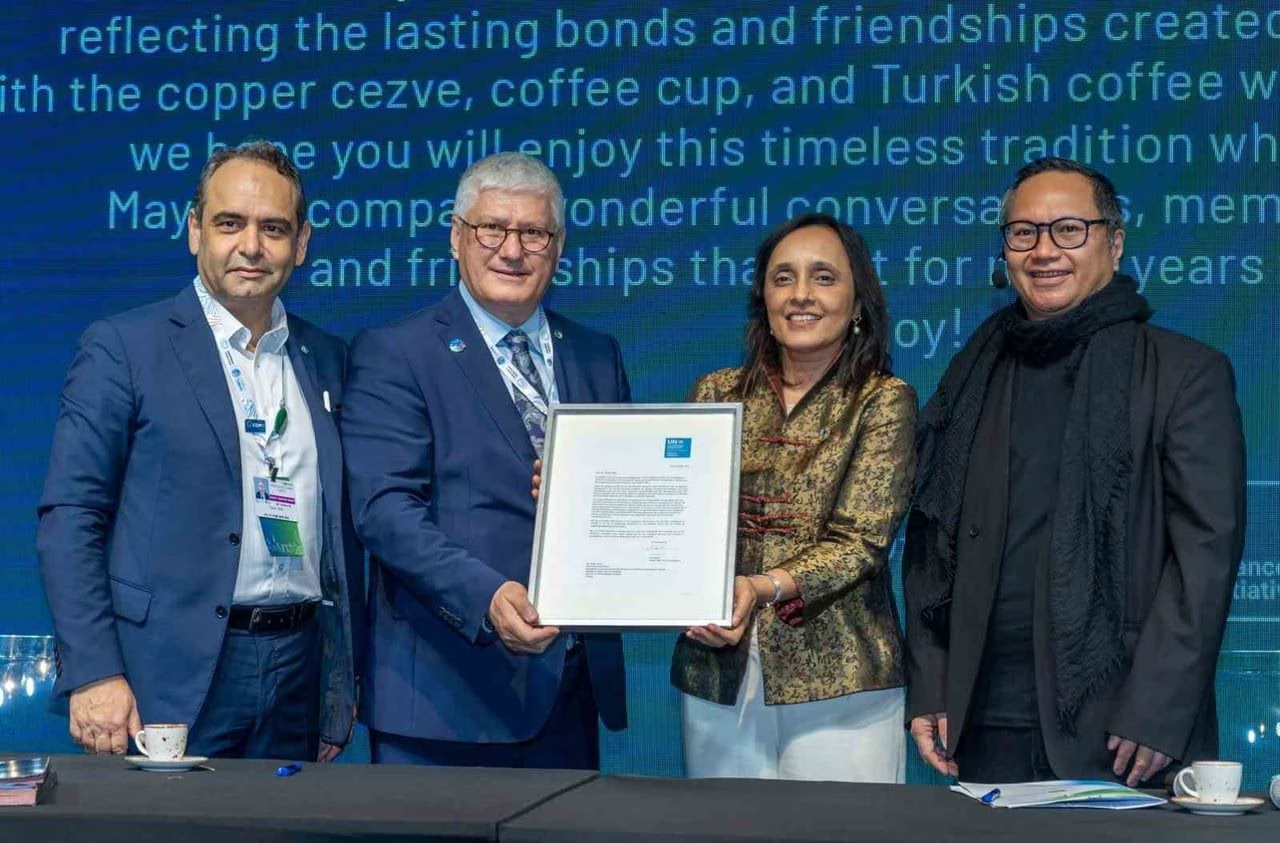
At the Insurance House event organized by TSB from November 11 to 14, the COP31 Global Insurance and Resilience Summit was held first, followed by the COP31 Global Sustainable Insurance Summit in cooperation with UNEP FI. On the second day of the summit, TSB signed on as a supporter of UNEP's Principles for Sustainable Insurance (PSI) and the Forum for Insurance Transition (FIT). Bacani attended the ceremony alongside TSB President Ahmet Yaşar and Secretary-General Özgür Obalı.
"We understand and can measure risk"
Bacani said the risk-management capabilities inherent to the global insurance sector were being used to strengthen resilience: "Thanks to the sector's risk-modeling capabilities, we understand and can measure risk. This allows us to guide damage-prevention and risk-reduction measures, such as improving buildings and drainage systems and making infrastructure more resilient before a loss occurs."
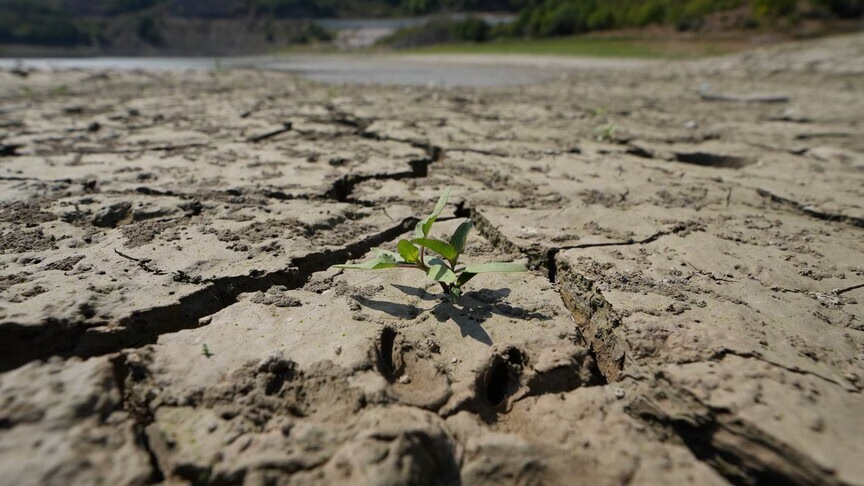
Bacani said not all risks could be eliminated and that remaining risks were covered by solutions such as disaster insurance, noting that droughts, floods and heat waves were intensifying with global warming. In Bacani's view, the other half of the equation is vulnerability: whether people are prepared and whether early-warning systems are in place.
Lower risk, cheaper policies
Bacani said insurers could measure risk and explain it to vulnerable communities, as well as advise the people and companies they insure on how to prevent damage. "If you can reduce the underlying risk, insurance becomes more affordable, accessible and sustainable," Bacani said, stressing that this was not solely the responsibility of insurers. Policymakers, businesses, banks and investors must also take resilience into account when providing credit and building infrastructure.
Bacani emphasized the importance of national adaptation plans being clear, ambitious and investable, and shared his expectations for COP31: "There is significant momentum around how adaptation finance can be increased, how the 'Baku-to-Belem Roadmap' can be supported to provide greater financial flows, particularly to developing countries, and how the electrification of economies can be accelerated. Of course, we want to see results in these areas, because the issues agreed at COP will guide countries' actions in the period ahead."
Cover photo: Sigortacı Gazetesi. Photos: Haberport, Anadolu Agency (archive). Sources: Anadolu Agency, Sigortacı Gazetesi, Haberport.
Stay Updated with The Turkiye Times
Subscribe to be informed about special news, developments and announcements. We will keep you informed.
By signing up, you agree to our Privacy Policy