- BIST10011,842-0.01%
- USD50.28+0.05%
- EUR55.60-0.24%
- GOLD3,860.00+0.18%
- INTEREST36.00%-1.00
- BITCOIN64,479-0.54%
- November 17, 202614°
- BIST10011,842-0.01%
- USD50.28+0.05%
- EUR55.60-0.24%
- GOLD3,860.00+0.18%
- INTEREST36.00%-1.00
- BITCOIN64,479-0.54%
- November 17, 202614°
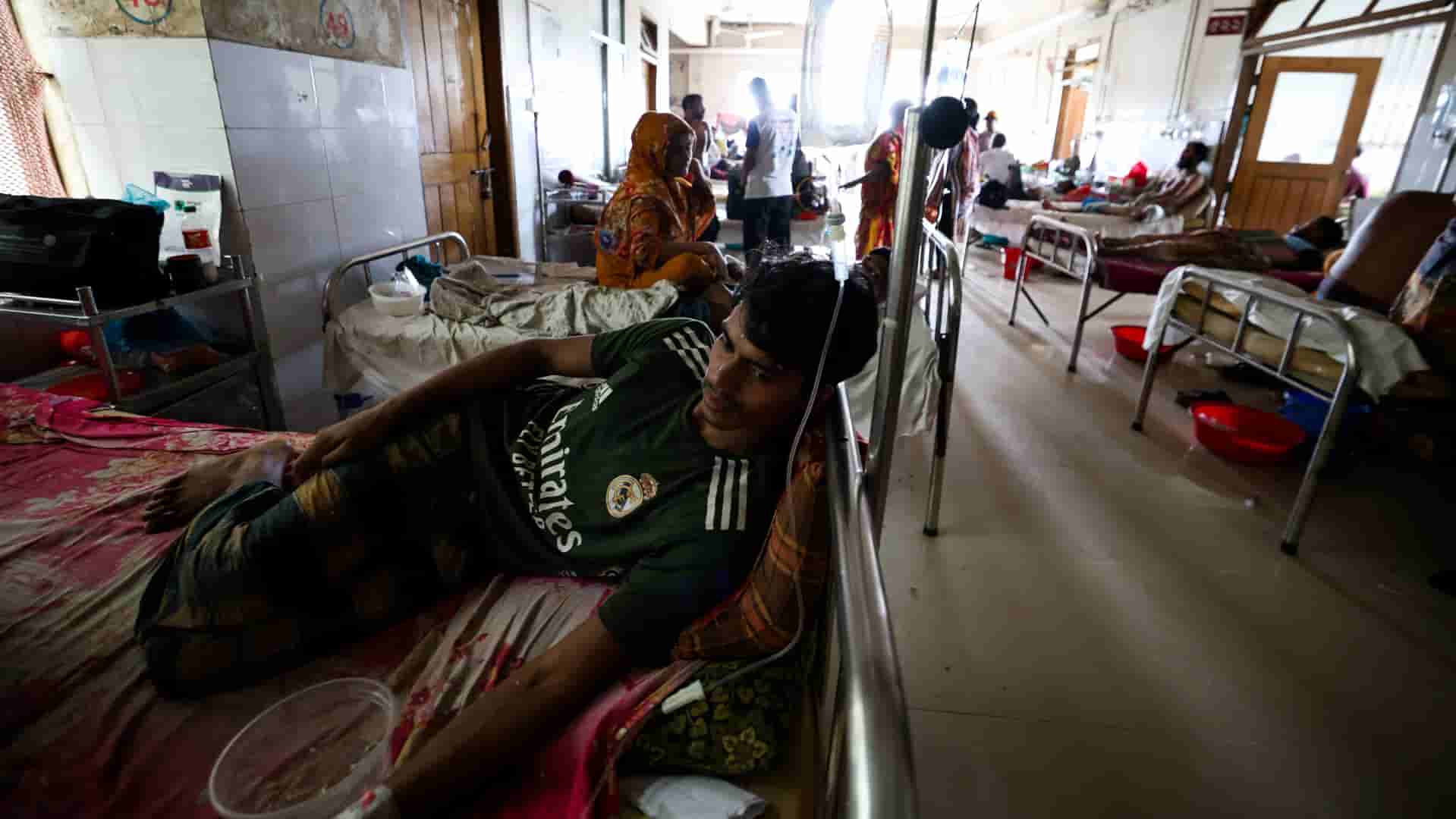
Health experts at COP31 say fossil fuel pollution kills 2.73 million yearly
Climate and health experts from Türkiye and around the world called on host Türkiye and Australia, which is leading the negotiations, to put public health at the center of decisions at COP31 in Antalya. Experts say fossil fuel-related air pollution contributed to approximately 26,500 premature deaths in Türkiye in 2024.

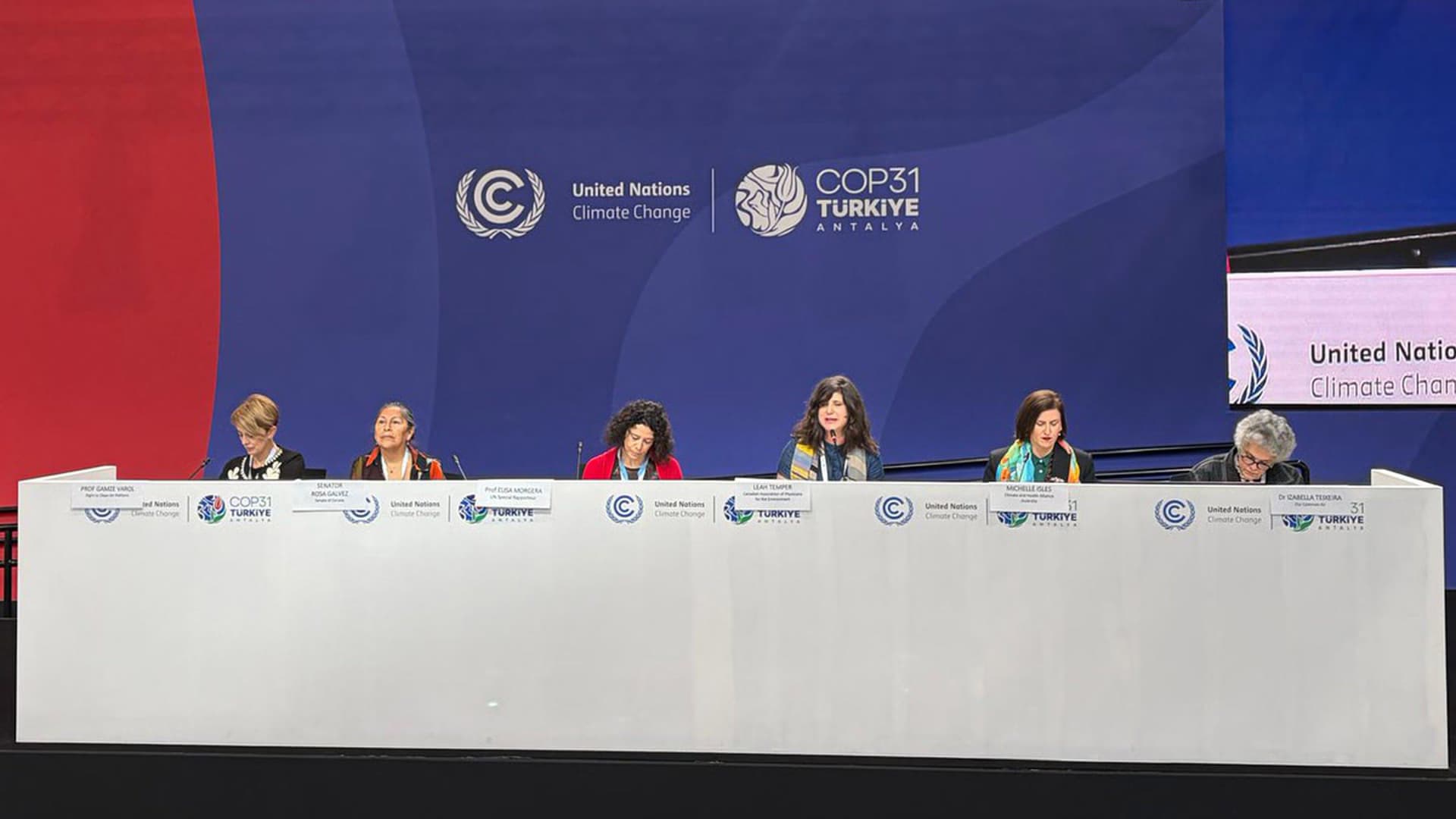
As the 31st Conference of the Parties to the United Nations Framework Convention on Climate Change (COP31) enters its second week in Antalya, health experts sent a clear message to the negotiating table: public health must be placed at the center of the decisions taken at the summit.
The Right to Clean Air Platform (THHP) and the Canadian Association of Physicians for the Environment (CAPE), with the support of the Global Climate and Health Alliance (GCHA), held a press conference at the COP31 venue. The experts speaking at the conference called on host Türkiye and Australia, which is presiding over the climate negotiations, to take the Fossil Fuel Non-Proliferation Treaty Initiative's Roadmap for Transitioning Away from Fossil Fuels, launched at COP30 hosted by Brazil, into consideration as the first concrete step.
Lancet data: 323,000 lives saved annually in 77 countries
One of the data sources cited by the experts is the Countdown report by the peer-reviewed medical journal The Lancet. According to the report, fossil fuel-related air pollution causes approximately 2.73 million deaths worldwide every year. The same report shows that approximately 323,000 deaths have been prevented annually in 77 countries that have reduced air pollution since 2016.
Prof. Dr. Gamze Varol, a member of THHP's Executive Board, said that fossil fuel-related fine particulate matter (PM2.5) pollution contributed to approximately 26,500 premature deaths in Türkiye in 2024, citing a report by THHP and the Centre for Research on Energy and Clean Air. Varol emphasized that the effects can begin before birth: "According to the study, approximately 8,000 premature births, 8,200 low-birth-weight births, 5,100 new childhood asthma cases and 6,500 emergency department visits related to asthma in 2024 were linked to air pollution."
Annual cost: $55 billion
Varol said they calculated the annual economic cost related to health at approximately $55 billion, equivalent to 4.1 percent of Türkiye's gross domestic product in 2024. "The health costs of fossil fuels can be calculated in every country. Health experts must make these costs visible and bring the data into decision-making processes," she said.
Michelle Isles, executive director of the Australian Climate and Health Alliance, drew attention to the health risks of exposure to volatile organic compounds such as benzene during natural gas production and processing. Isles said, "Pacific leaders are calling for an end to the increase in fossil fuel production, effective climate finance and a voice in decisions affecting their countries. Australia must honor its commitments to these communities."
Elisa Morgera, the UN Special Rapporteur on human rights and climate change, said that phasing out fossil fuels is an "obligation" from a human rights perspective. Morgera said every stage, from the extraction of fossil fuels to their consumption, undermines the rights to health, food and water, adding: "These harms are interconnected and their effects accumulate over time. We can prevent all of them."
Izabella Teixeira, a member of the Our Common Air Commission and former Brazilian environment minister, and Rosa Galvez, a Quebec senator in Canada's Senate, also spoke at the meeting chaired by Dr. Leah Temper, CAPE's director of health and economic policy.
Cover photo: DHA. Photo: Anadolu Agency. Sources: Anadolu Agency, DHA.
Stay Updated with The Turkiye Times
Subscribe to be informed about special news, developments and announcements. We will keep you informed.
By signing up, you agree to our Privacy Policy