- BIST10011,131-3.02%
- USD50.47+0.05%
- EUR55.46+0.20%
- GOLD3,515.60-4.61%
- INTEREST36.00%-1.00
- BITCOIN58,766-5.07%
- November 20, 202617°
- BIST10011,131-3.02%
- USD50.47+0.05%
- EUR55.46+0.20%
- GOLD3,515.60-4.61%
- INTEREST36.00%-1.00
- BITCOIN58,766-5.07%
- November 20, 202617°
Vanadium battery draws investor interest at COP31 as lithium alternative
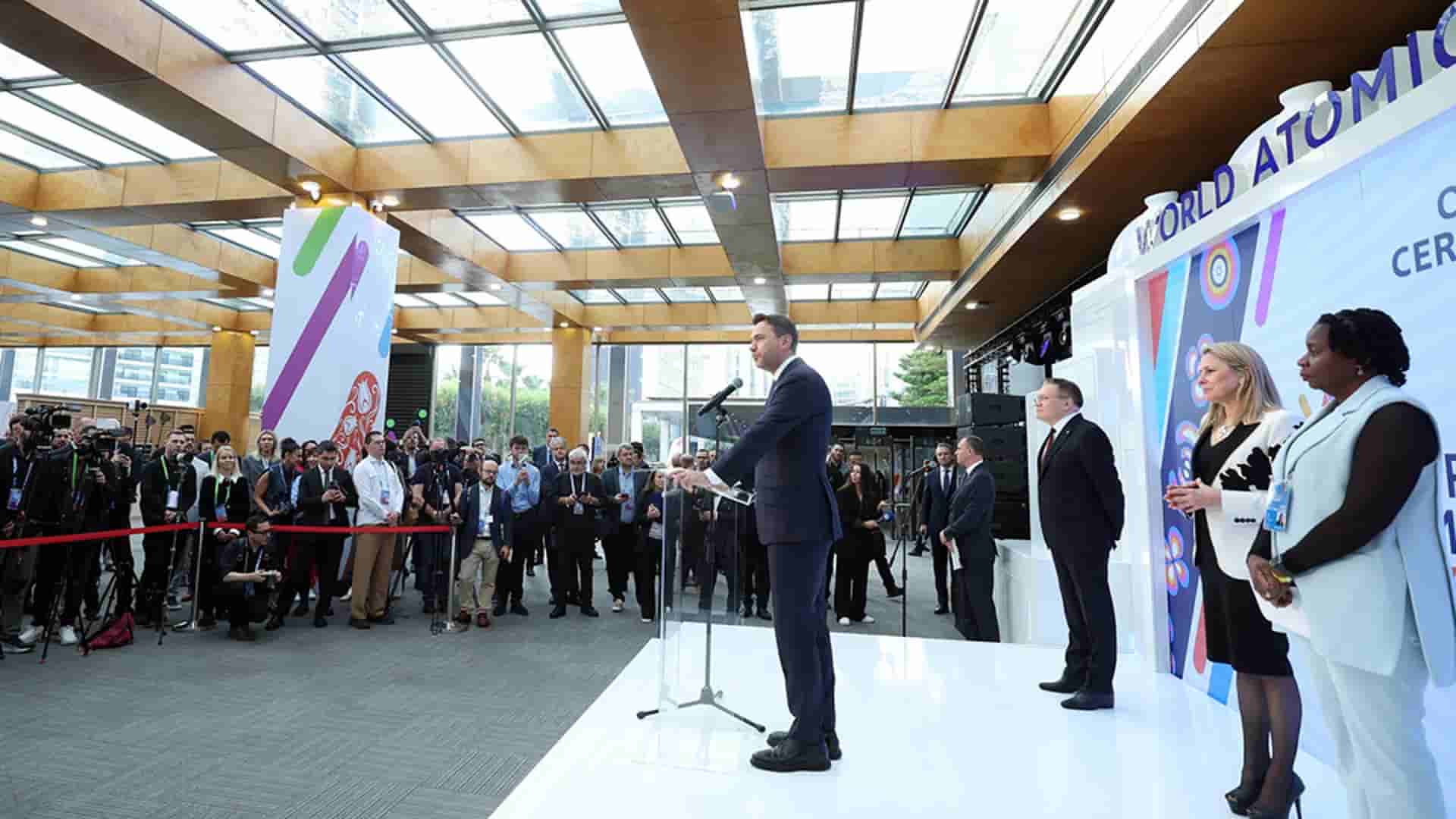
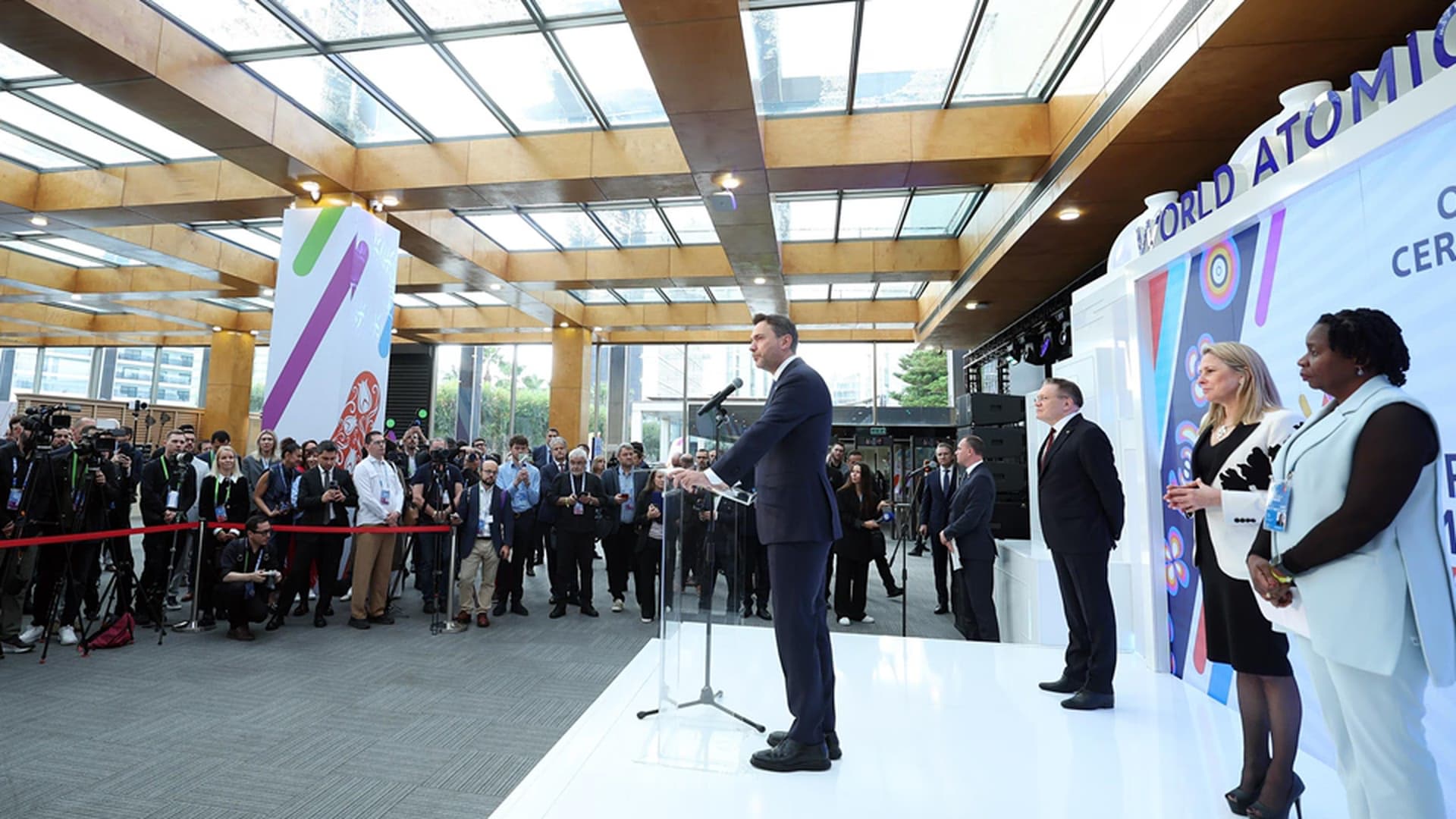
The vanadium redox flow battery developed by Batman University Associate Professor Mehmet Rıda Tür was presented to international participants at COP31. According to Tür, the battery lasts approximately twice as long as lithium batteries and carries no risk of burning or exploding.


A locally developed battery designed to store electricity generated by solar, wind and hydroelectric power plants but not immediately needed was presented on the international stage at the UN Climate Change Conference COP31 in Antalya. The “Vanadium Redox Flow Battery,” developed by Batman University Faculty of Engineering and Architecture Department of Electrical and Electronics Engineering faculty member Associate Professor Mehmet Rıda Tür, was introduced to participants on November 9, the first day of the conference.
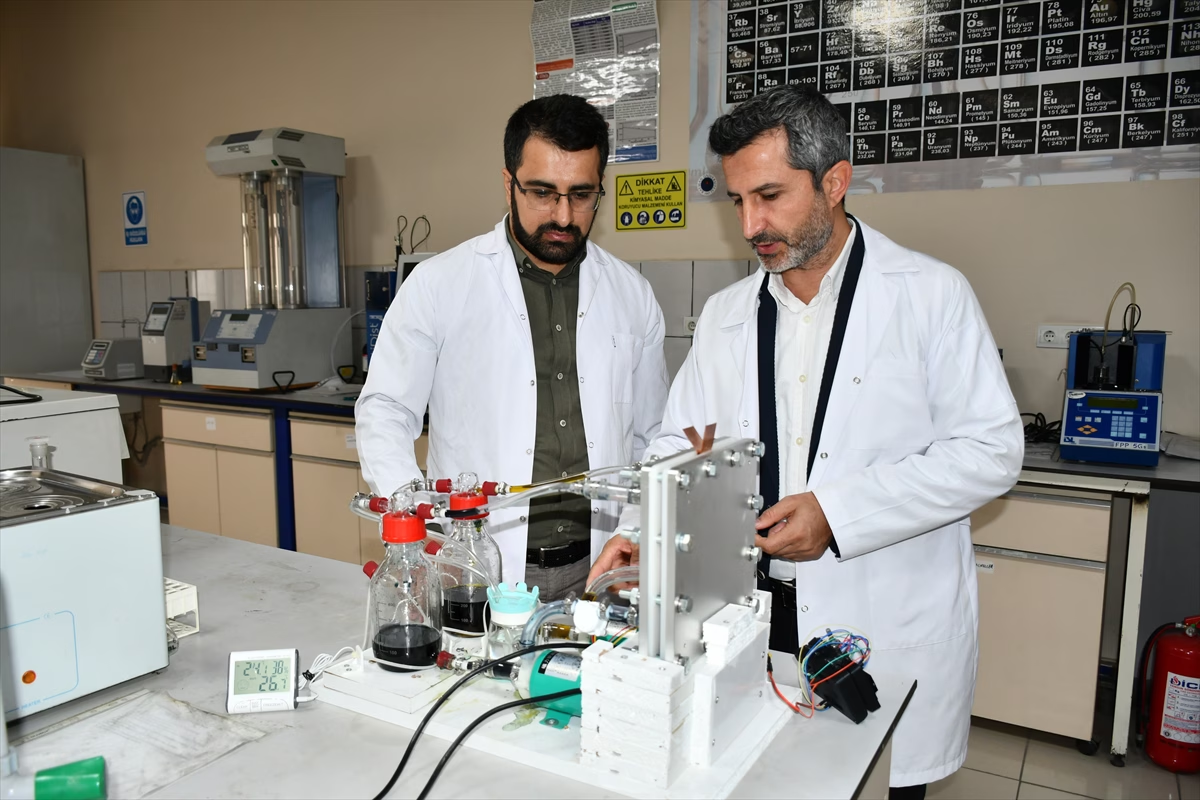
Seeking an alternative to lithium-based batteries, Tür launched the project in 2024 under the university’s Energy Coordination Office to make use of local resources. The battery’s prototype was completed after approximately two years of work.
30,000 cycles instead of 10,000
Tests found that the vanadium battery has a longer lifespan than lithium batteries and can store high levels of energy. Tür said: “In our research, we gained access to a vanadium resource of approximately 5,000 ppm. We developed a battery that lasts approximately twice as long as lithium batteries, with the number of charge and discharge cycles reaching 30,000, compared with 10,000 for lithium batteries.”
According to Tür, the heating, burning and explosion risks seen in lithium batteries are not present in vanadium batteries. Tür said the battery’s greatest advantage is its ability to store large amounts of energy, adding that large-capacity vanadium storage facilities would significantly ease the burden on the electricity grid and ensure continuity of energy supply.
Target is mass production
Recalling that the share of renewable resources in Türkiye’s installed power capacity is increasing every day, Tür emphasized that storage is also gaining importance alongside this growth. Tür said: “Our project attracted the interest of investors and researchers working on batteries because vanadium is local and national, the number of cycles is high, and it does not present the heating and explosion risks seen in lithium batteries, making it a preferred battery model.”
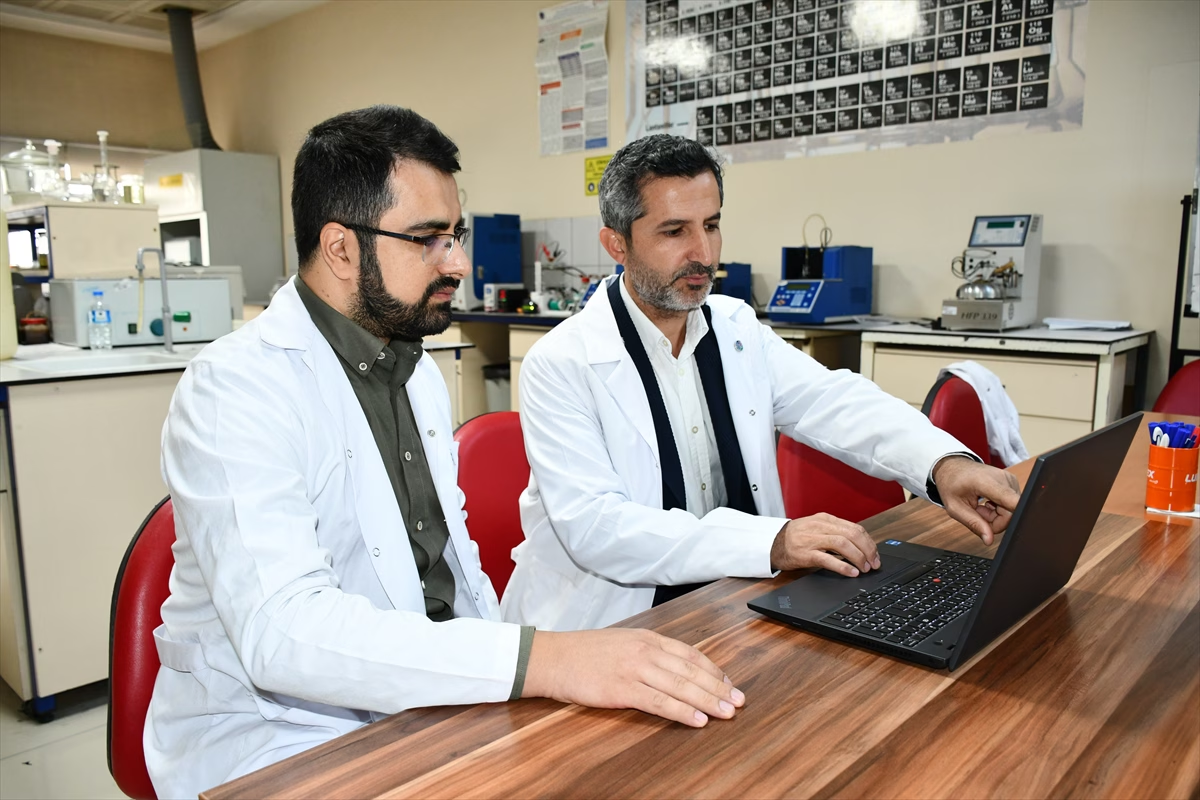
With the support of Rector Professor İdris Demir, the team aims to move the battery into mass production with investment support and, in the long term, adapt it for large-capacity energy storage facilities. Tür said: “We plan to turn the product into a mass-produced battery through investment.”
Photos and source: Anadolu Agency.
Stay Updated with The Turkiye Times
Subscribe to be informed about special news, developments and announcements. We will keep you informed.
By signing up, you agree to our Privacy Policy