- BIST10012,151-0.94%
- USD49.220.00%
- EUR55.21+0.28%
- GOLD4,195.90-0.48%
- INTEREST37.00%-1.00
- BITCOIN82,706-1.16%
- October 13, 202619°
- BIST10012,151-0.94%
- USD49.220.00%
- EUR55.21+0.28%
- GOLD4,195.90-0.48%
- INTEREST37.00%-1.00
- BITCOIN82,706-1.16%
- October 13, 202619°
A 4,000-year-old love flower seed found at Külhöyük is prompting research into Hittite medicine
The oldest known seed of the love flower was found in a Hittite-period vessel at the 5,000-year-old Külhöyük settlement in Ankara's Gölbaşı district. The excavation team is preparing a new scientific study to examine whether the plant remains were used for treatment.


Excavations at Külhöyük, a 5,000-year-old Hattian and Hittite city in Ankara's Gölbaşı district, have uncovered a love flower seed inside a vessel dating to the Hittite period. Analyses showed that the seed is the oldest known example of a love flower found to date.
Associate Professor Dr. Derya Yılmaz Tekin, head of the Külhöyük excavation and a faculty member in Ankara University's Department of Archaeology, said botanical samples taken from the round vessel found in a room of a Hittite-period structure were examined by archaeobotanist Professor Dr. Emel Oybak Dönmez of Hacettepe University's Department of Biology.
Tekin said they were investigating the purposes for which the seeds and other plant remains uncovered during the excavations had been used. Noting that cuneiform documents show that the Hittites used some plants for treatment, Tekin said the remains from Külhöyük may have been used for similar purposes.
A new scientific study on Hittite medicine and pharmacology is being prepared as part of this effort. Tekin said the project was still in development and that whether the plants were used in treatment would be examined together with the contexts in which the finds were recovered.
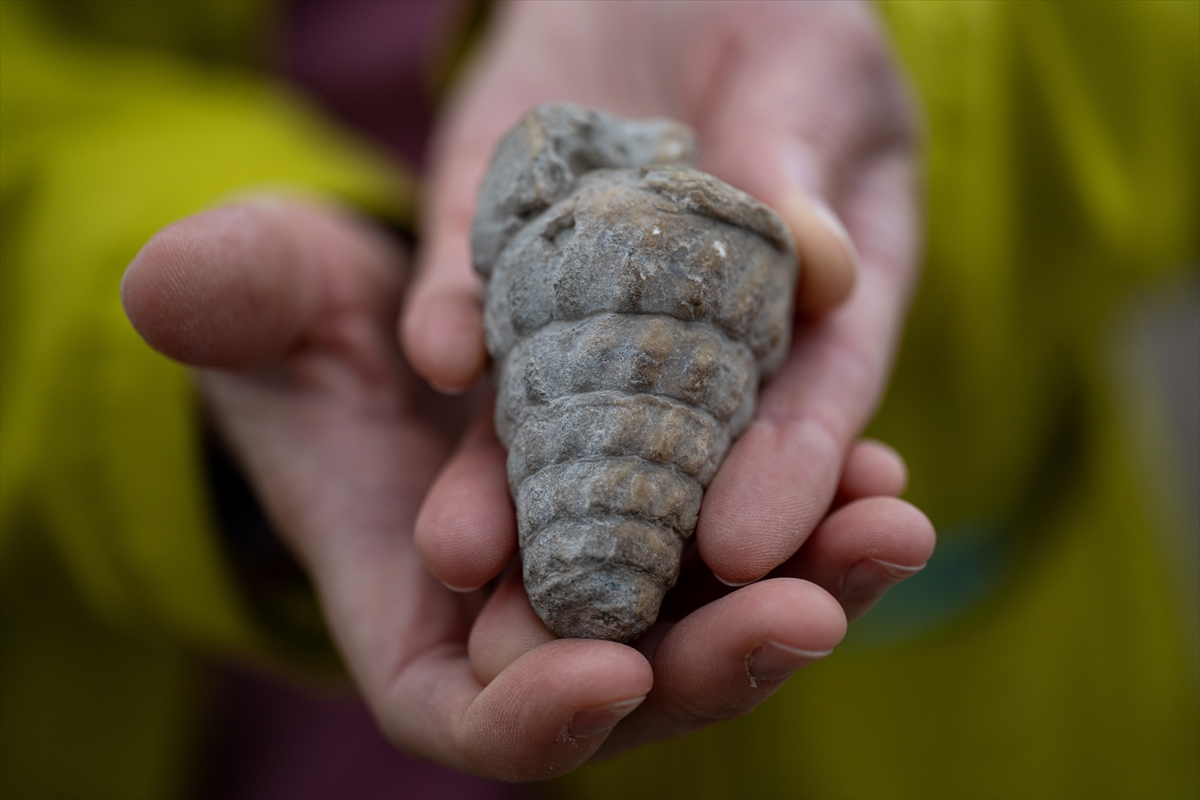
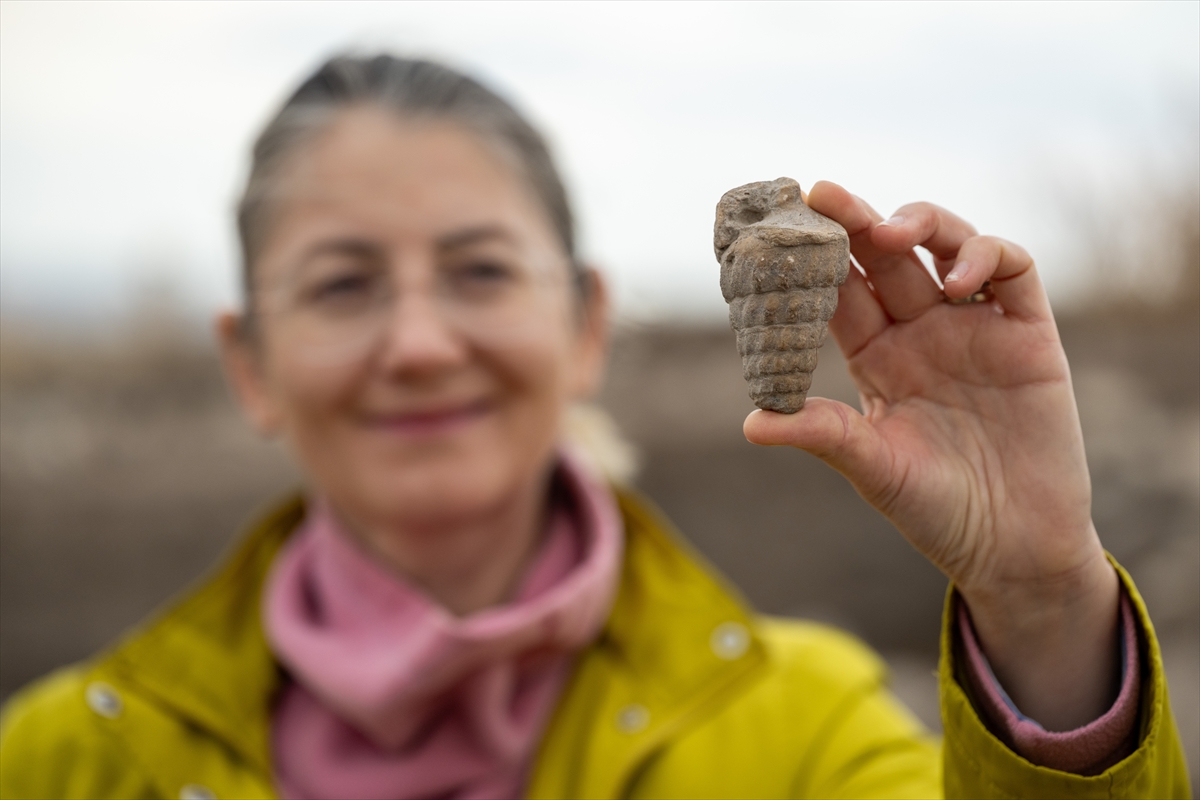
A 66-million-year-old fossil at Külhöyük
The excavations also uncovered a 66-million-year-old marine fossil. The fossil belonged to a snail-like organism scientifically known as Gastropoda, and its discovery within an archaeological layer drew attention.
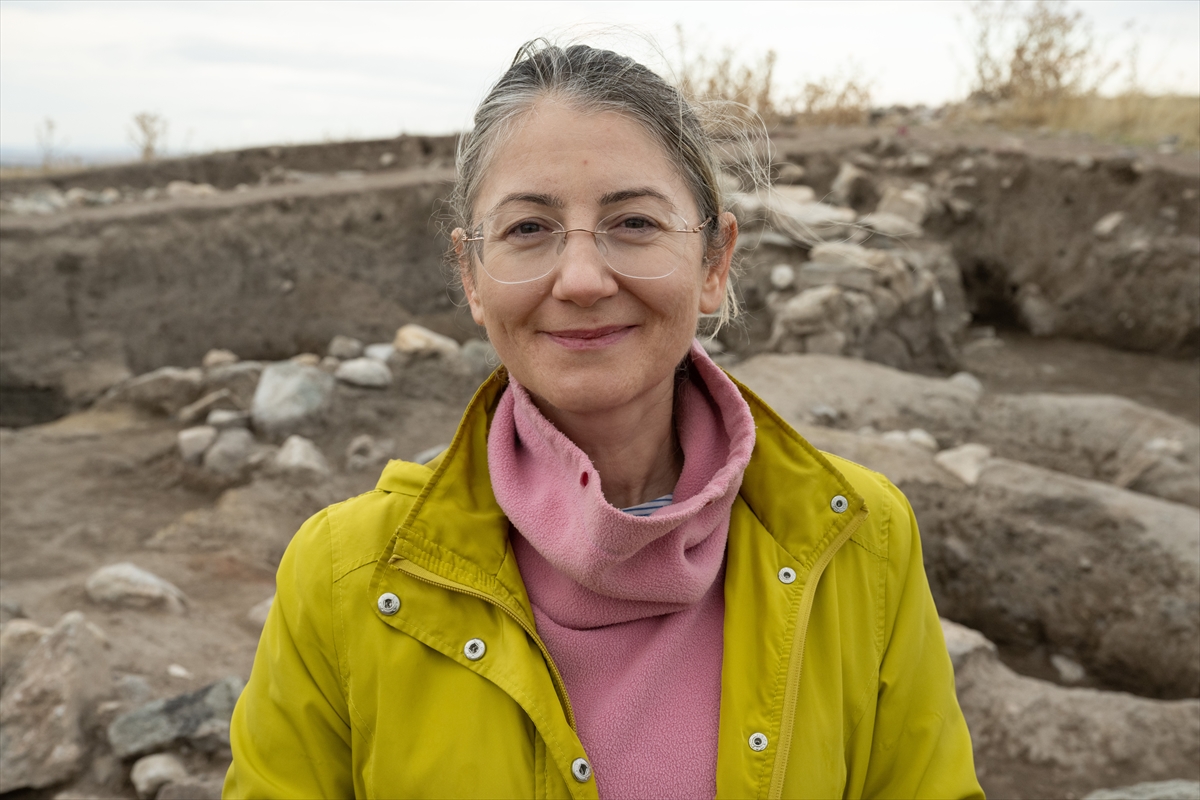
Tekin said the Tethys Sea, which also covered central Anatolia, existed about 200 million years ago and that the fossil belonged to an organism that lived during the sea's later periods. Tekin said she believed the fossil may have been brought to the settlement by Külhöyük's residents, adding that similar fossil finds in the region had previously been reported around Polatlı.
Assessments of the fossil's origin are drawing on the work of paleontology specialists.
Stay Updated with The Turkiye Times
Subscribe to be informed about special news, developments and announcements. We will keep you informed.
By signing up, you agree to our Privacy Policy














