- BIST10011,272+2.83%
- USD50.00+0.05%
- EUR55.95-0.09%
- GOLD4,042.10+2.58%
- INTEREST36.00%-1.00
- BITCOIN78,278+1.22%
- November 4, 202615°
- BIST10011,272+2.83%
- USD50.00+0.05%
- EUR55.95-0.09%
- GOLD4,042.10+2.58%
- INTEREST36.00%-1.00
- BITCOIN78,278+1.22%
- November 4, 202615°
Abdul El-Sayed becomes first Muslim elected to the U.S. Senate
Democrat Abdul El-Sayed won Michigan’s Senate seat in the U.S. midterm elections, becoming the first Muslim elected to the Senate. In his victory speech, El-Sayed thanked his wife and told Trump, who had mocked his name, “You can just call me Senator.”


Democrat Abdul El-Sayed won Michigan’s Senate seat in the U.S. midterm elections, becoming the first Muslim elected to the Senate in U.S. history. Decision Desk HQ, which tracked the election results, announced that El-Sayed had defeated his Republican opponent, Mike Rogers. According to NBC News data, with about 80 percent of the expected vote counted, El-Sayed had received 51.7 percent and Rogers 46.3 percent. El-Sayed will replace retiring Democratic Senator Gary Peters.
Born in Michigan in 1984 to an Egyptian immigrant family, El-Sayed began his victory speech by thanking his wife: “Thank you for everything. I could not have done this without you, and I would not have wanted to do it with anyone else.”
Recalling that he had always said “inshallah” when discussing the outcome during the campaign, El-Sayed told the crowd, “But tonight, we can finally turn that inshallah into alhamdulillah.”
“Tell your children that the bad people lost”
El-Sayed also referred to Trump’s remarks throughout the campaign about people’s names and beliefs. Addressing parents who could not explain to their children Trump’s mockery of people’s names or beliefs, El-Sayed said, “Tomorrow, tell your children that the bad people lost.”
Throughout the campaign, Trump mocked El-Sayed’s name by referring to him as “Mohamed El-Sayed.” At a rally he held in Michigan for Rogers, Trump also said El-Sayed would have to pass through a metal detector to enter the Senate. El-Sayed responded on election night: “Donald, look, I know you’re having trouble with my name. So after JD swears me in in January, you can just call me Senator.”
Addressing Vice President JD Vance, who administers the oath of office to new senators in his capacity as president of the Senate, El-Sayed called him “habibi,” an Arabic term expressing friendship and closeness. “JD, habibi, there’s a very sweet irony in the fact that you are constitutionally required to swear me in in January,” he said.
From medicine to the Senate
El-Sayed studied biology and political science at the University of Michigan, earned a doctorate in public health at Oxford as a Rhodes Scholar and received a medical degree from Columbia University. He became Detroit’s health director in 2015, ran in the Democratic primary for Michigan governor in 2018 and served as Wayne County’s health director from 2023 to 2025.
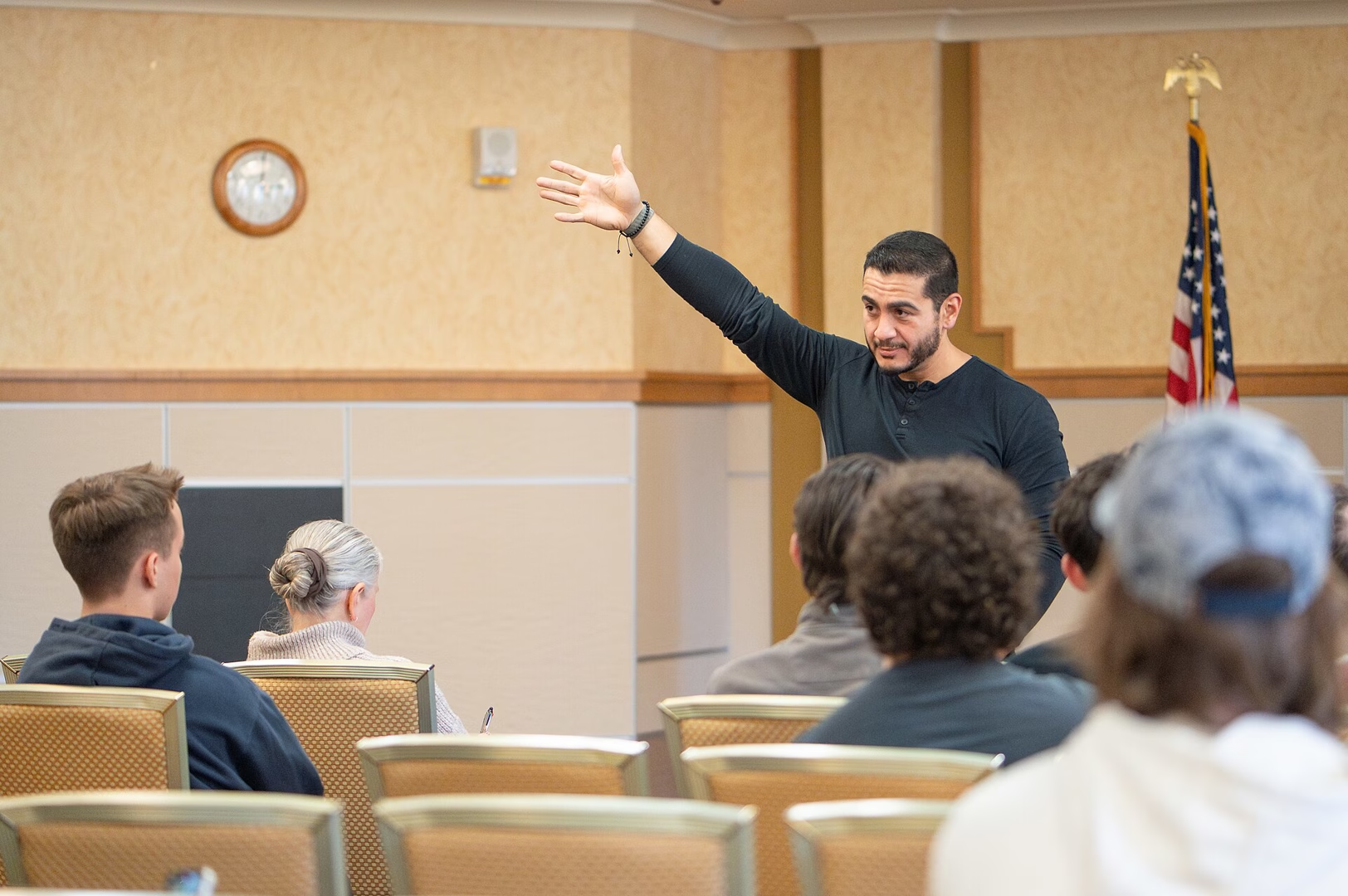
In a race in which spending exceeded $270 million, El-Sayed advocated ending U.S. support for Israel because of the wars in Gaza and Iran. Representative Haley Stevens, whom he defeated in the primary, endorsed Rogers two days before the election, but that did not change the outcome. Israel’s Channel 14 television channel reported the result as a victory for El-Sayed, whom it described as “an Israel opponent and supporter of Palestine.”
Videos: Social media. Photos: Social media, Wikimedia Commons (archive)
Have a story, event or announcement of your own?Send us your news on WhatsApp
Spotted an error in this story?Report it on WhatsApp
Share on all social platforms
Sponsored Ads
Featured Listings
Loading featured properties...
Stay Updated with The Turkiye Times
Subscribe to be informed about special news, developments and announcements. We will keep you informed.
By signing up, you agree to our Privacy Policy