- BIST10011,272+2.83%
- USD50.00+0.05%
- EUR55.95-0.09%
- GOLD4,042.10+2.58%
- INTEREST36.00%-1.00
- BITCOIN78,278+1.22%
- November 4, 202615°
- BIST10011,272+2.83%
- USD50.00+0.05%
- EUR55.95-0.09%
- GOLD4,042.10+2.58%
- INTEREST36.00%-1.00
- BITCOIN78,278+1.22%
- November 4, 202615°
Democrats' takeover of Congress rattles markets as futures fall and gold rises
Results from the U.S. midterm elections indicating that Democrats had taken control of Congress became the main focus of global markets. U.S. index futures fell sharply, while the dollar index and Treasury yields declined; gold rose to $3,954 an ounce. Japan's Nikkei lost 2.9%.


Results from the U.S. midterm elections indicating that Democrats had taken control of Congress became the main focus of global markets. Investors are pricing in the possibility that the Trump administration's tax cuts and expansionary fiscal policies could be constrained in Congress, while regulatory oversight of technology and artificial intelligence companies could also tighten. Data compiled by Anadolu Agency showed sharp declines in U.S. index futures.
The dollar index fell 0.5% to 101.3, while the euro-dollar exchange rate rose 0.6% to 1.1250. The yield on the U.S. 10-year Treasury note fell 7 basis points to 4.90%. Gold, viewed as a safe haven, rose 0.9% to $3,954 an ounce.
Iran factor weighs on oil as Fed rate hike bets rise
January-dated Brent crude fell 0.7% to $102.8 a barrel. The U.S. attack on an Iranian island increased questions about tensions in the region, while diplomatic initiatives between the two countries supported the decline in prices. Money markets raised the probability of a 25-basis-point rate hike at the Fed's December meeting to 80%. U.S. job openings rose by 333,000 in September to 7.523 million, exceeding expectations.
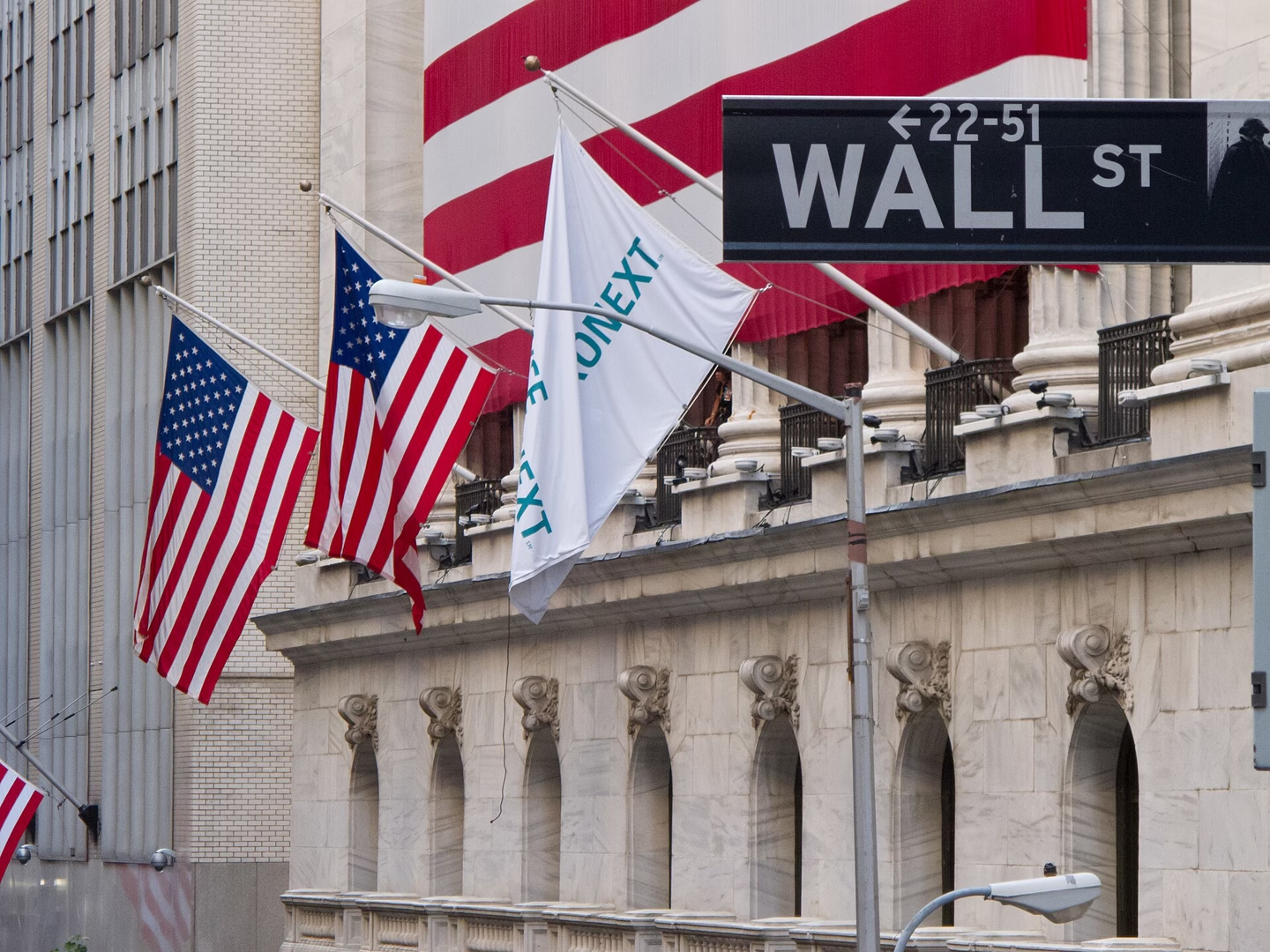
On the New York Stock Exchange, the S&P 500 rose 0.36% and the Nasdaq gained 0.83% on Wednesday, while the Dow Jones fell 0.38%. Apple shares lost 1.9% after the company warned that rising memory chip costs would pressure its gross profit margin despite increasing its profit.
Nikkei falls 2.9% in Asia
Asian stock markets traded lower, except in Hong Kong. Japan's Nikkei 225 fell 2.9%, South Korea's Kospi declined 1.2% and China's Shanghai Composite lost 0.1%, while the Hang Seng rose 0.2%. In Europe, the FTSE 100 fell 1.14%, the DAX 40 declined 0.45% and the CAC 40 lost 0.34% on Tuesday, led by mining and energy stocks.
Türkiye's BIST 100 index ended the day up 0.56% at 11,023.55 points. The dollar was trading at 50.0190 against the Turkish lira in the interbank market. Analysts said expectations that the Trump administration could face greater difficulty implementing its policies as the election results become clearer could increase volatility in asset prices. Eurozone inflation, U.S. ADP private-sector employment, the foreign trade balance and the ISM services PMI will be tracked during the day.
Photos: AA, Wikimedia Commons (archive)
Stay Updated with The Turkiye Times
Subscribe to be informed about special news, developments and announcements. We will keep you informed.
By signing up, you agree to our Privacy Policy